


Early childhood development in Nigeria severely underfunded, report finds
Translated from English, summarized and contextualized by DistantNews.
At a glance
News
Documents & data
New plan
- A new report by the Moving Minds Alliance reveals that early childhood development services in Nigeria are severely underfunded, especially for children affected by conflict and displacement.
- The report found Nigeria lacks a dedicated budget for children in crisis, with less than five percent of the education budget and only 1.5 percent of the health budget allocated to early childhood services.
- This lack of dedicated funding hinders accountability and leaves young children vulnerable during fiscal stress, impacting their potential productivity.
Millions of Nigerian children facing conflict, displacement, and economic hardship are being overlooked in government budgets, leaving critical early childhood services severely underfunded despite escalating humanitarian needs. A new report by the Moving Minds Alliance highlights this crisis, revealing that Nigeria has no dedicated budget line for children in crisis situations.
Across all sectors, ECD in Crisis gets a tiny share.
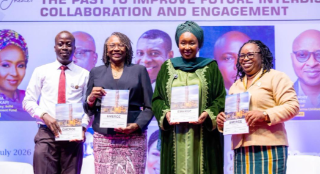
The report, titled “Financing Early Childhood Development in Crisis (ECDiC) in Nigeria: From Fiscal Invisibility to Child-Level Results,” was presented at a workshop for journalists in Abuja. It found that less than five percent of Nigeria's education budget benefits early childhood or emergency learning. Similarly, only a meager 1.5 percent of the health budget is allocated to early-childhood focused services.
According to the report, the absence of a dedicated budget line obstructs accountability and the systematic tracking of implementation. While critical sectors like Education and Health have seen increased allocations over time, financing for ECDiC remains "fiscally invisible." This lack of specific identification makes it difficult to foster accountability and track progress effectively.
As a result, financing for young children in emergency is poorly protected during budget execution and highly exposed to delays, inflation and reprioritisation during periods of fiscal stress.
The analysis, which adopted a multi-sectoral public finance lens, examined resource flows through health, nutrition, education, social protection, and humanitarian systems. It concluded that financing for young children in emergency situations is poorly protected during budget execution and highly susceptible to delays, inflation, and reprioritization during periods of fiscal stress.
It is the most comprehensive analysis to date of how Nigeria funds, and fails to fund early childhood development for children living through conflict, displacement, climate shocks, and economic crisis.
Arome Agenyi, Coordinator of the Nigeria Early Childhood Development in Crisis Coalition, stated that Nigeria's Human Capital Index stands at 0.36. This indicates that a child born today in the country is expected to achieve less than 40 percent of their potential productivity due to persistent deficiencies in health, nutrition, and education. He emphasized that the stories journalists choose to tell can shape policies and investments for early childhood development.
Behind every successful adult is an early childhood story. The question is not whether children are developing; they are. The question is whether they are developing to their full potential. In this regard, the stories journalists choose to tell today can shape the policies, investments, and publi
DistantNews Editorial
Originally published by Premium Times in English. Translated, summarized, and contextualized by our editorial team with added local perspective. Read our editorial standards.
More Stories


From Our Blog

How the Same Story Looks Different in Different Countries

What Gets Lost (and Found) When News Is Translated

The Critical Role of Diaspora Media in Global News

What Travellers Should Know About Countries with Restricted Press

A Digital Nomad's Guide to Following Local News
