

Earthquake victims’ families demand justice as Turkey’s new judicial year begins: ‘We are owed justice from past judicial years’
Translated from Turkish and summarized by DistantNews. Read the original for the full story.
At a glance
News
Named sources
Ongoing story
- The Families in Pursuit of Justice Platform said indictments remain unprepared in dozens of earthquake-related cases, despite the passage of 1,302 days and four judicial years since the February 6 earthquakes.
- The families called for prosecutions to advance, fugitives to be arrested and public institutions to stop commercial dealings with defendants in earthquake cases.
- They criticized lenient sentencing, the government’s “zoning amnesty” policy and decisions not to authorize investigations into some public officials.
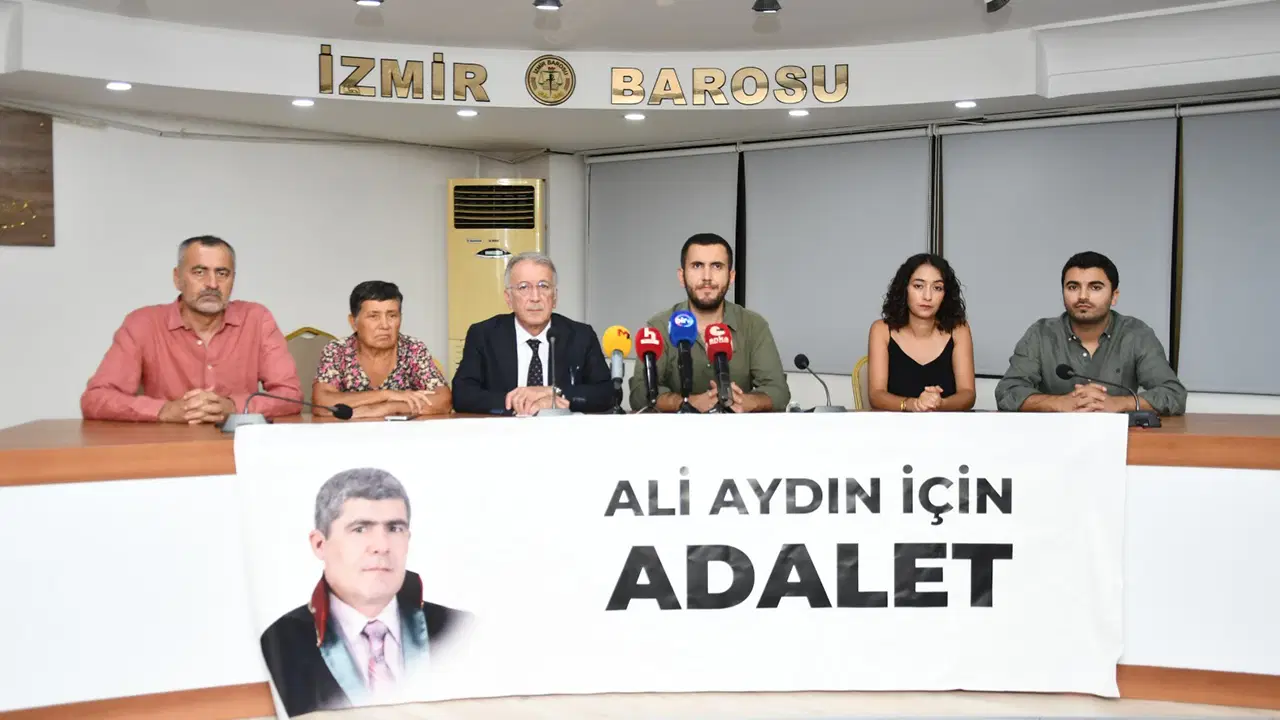
Families who lost relatives in Turkey’s February 6 earthquakes say they are entering another judicial year without justice in many of the cases they have pursued. Their message, delivered before the new judicial year, was blunt: “We are owed justice from past judicial years.”
We are owed justice from past judicial years!
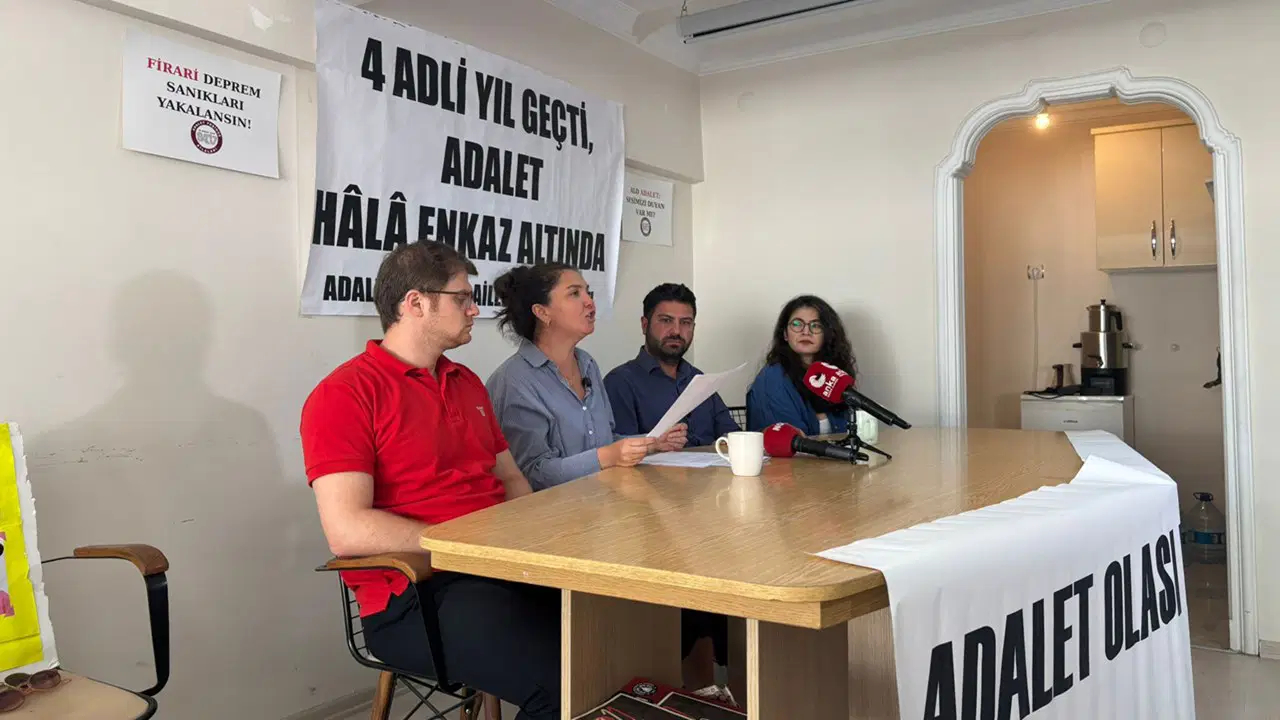
The Families in Pursuit of Justice Platform held a news conference at the Contemporary Lawyers’ Association. Lawyers Eren Can and Duygu İnegöllü spoke on behalf of families and described the state of proceedings after four years of legal battles.
Can said indictments had still not been prepared in dozens of files, including cases involving Iskenderun State Hospital, where 125 people died, Rana Apartment, where 35 died, and Arı Apartment, where 31 died. He called on Justice Minister Akın Gürlek to ensure that indictments are prepared in all files still at the investigation stage. “Justice that comes late is not justice,” he said.
Although 1,302 days and four judicial years have passed since the February 6 earthquakes, justice has still not been achieved. Another judicial year begins tomorrow. We are owed justice from past judicial years!
The families also criticized the use of good-conduct reductions in earthquake convictions and demanded the arrest of people they identified as fugitives. Can said the government’s zoning amnesty had “brought death,” citing the Trend Garden Residence in Malatya. Court proceedings found that the building had expanded from 12 to 42 apartments under the policy. Five defendants received prison sentences ranging from 12 years and six months to 17 years and six months, but were not detained.
Zoning amnesty brought death
Can further objected to public institutions buying products from companies linked to defendants in earthquake cases, including the Ezgi Apartment case in Kahramanmaraş, where 35 people, including a six-month-old baby named Asude, died. He said such tenders and sales should end. The platform also criticized refusals to authorize investigations into some former health officials in Hatay, saying appeals against those decisions had been rejected.
Justice that comes late is not justice
About this summary
Originally published by Cumhuriyet in Turkish. Translated, summarized, and contextualized automatically by DistantNews, with a note on how the source frames the story. Not individually reviewed before publishing. How this works.
More Stories


From Our Blog

What Gets Lost (and Found) When News Is Translated

The Critical Role of Diaspora Media in Global News

What Travellers Should Know About Countries with Restricted Press

A Digital Nomad's Guide to Following Local News

How the Same Story Looks Different in Different Countries
