


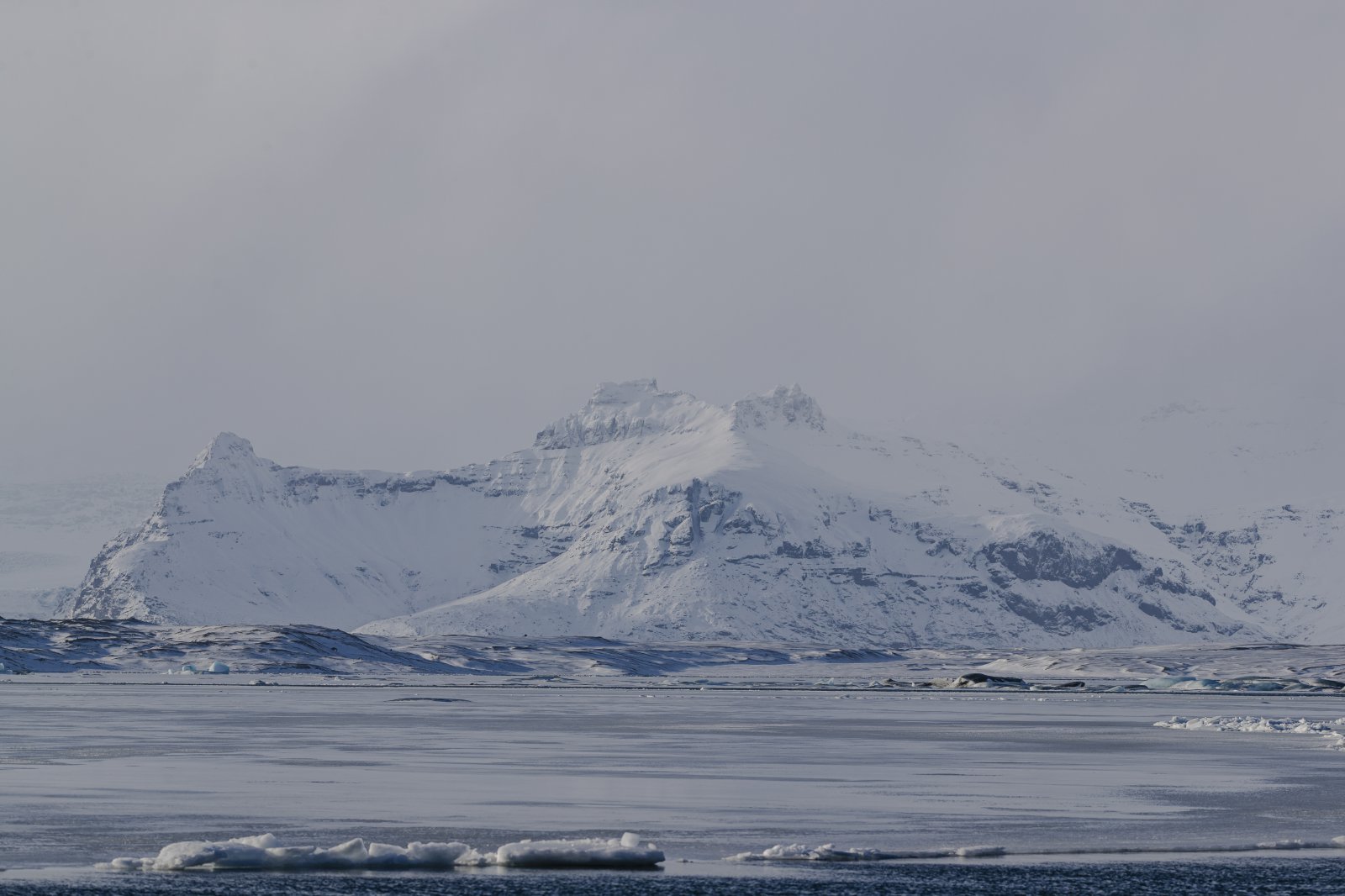
East Antarctic ice mass increased temporarily due to equatorial sea warming
Translated from Korean, summarized and contextualized by DistantNews.
At a glance
News
Named sources
Context piece
- Scientists observed a significant increase in ice mass in East Antarctica between 2021 and 2023, temporarily slowing long-term ice loss due to climate change.
- This phenomenon, the largest in nearly two decades of satellite observations, was linked to warmer equatorial seas affecting atmospheric circulation.
- Researchers caution that this ice gain is likely temporary and may not reverse the long-term trend of ice loss, especially as West Antarctica continues to melt.
A recent study published in Nature has revealed a notable increase in ice mass in East Antarctica, with scientists reporting a gain of 695 billion tons between 2021 and 2023. This phenomenon temporarily counteracted the long-term ice loss attributed to climate change, marking the most significant ice gain observed in nearly two decades of satellite monitoring.
The research, conducted by a collaborative team from China, the United States, Japan, and Hungary, suggests that this unusual ice accumulation is a result of atmospheric phenomena originating thousands of kilometers away. Specifically, warmer equatorial seas are believed to have influenced atmospheric circulation patterns, leading to increased snowfall over East Antarctica. This increased precipitation offset the ice lost through melting.
While this development offers a temporary reprieve, scientists caution against viewing it as a reversal of the overall trend. The study notes that similar warming events in the ocean typically occur once a decade and that the recent ice gain is likely a short-term effect. The long-term outlook for Antarctic ice remains a concern, particularly for West Antarctica, which continues to experience ice loss.
Furthermore, the warming of the western Pacific, one of the warmest seas and a significant source of heat release into the atmosphere, is analyzed as a potential driver for the East Antarctic ice increase. The study indicates that unusually warm sea surface temperatures in this region from 2021 to 2023 altered atmospheric circulation, transporting moisture from the mid-latitude Indian Ocean to East Antarctica, resulting in substantial snowfall and ice sheet mass gain. However, the researchers emphasize that this effect is temporary and does not alter the long-term trajectory of ice loss.
DistantNews Editorial
Originally published by Dong-A Ilbo in Korean. Translated, summarized, and contextualized by our editorial team with added local perspective. Read our editorial standards.
More Stories



From Our Blog

What Gets Lost (and Found) When News Is Translated

The Critical Role of Diaspora Media in Global News

What Travellers Should Know About Countries with Restricted Press

A Digital Nomad's Guide to Following Local News

How the Same Story Looks Different in Different Countries
