


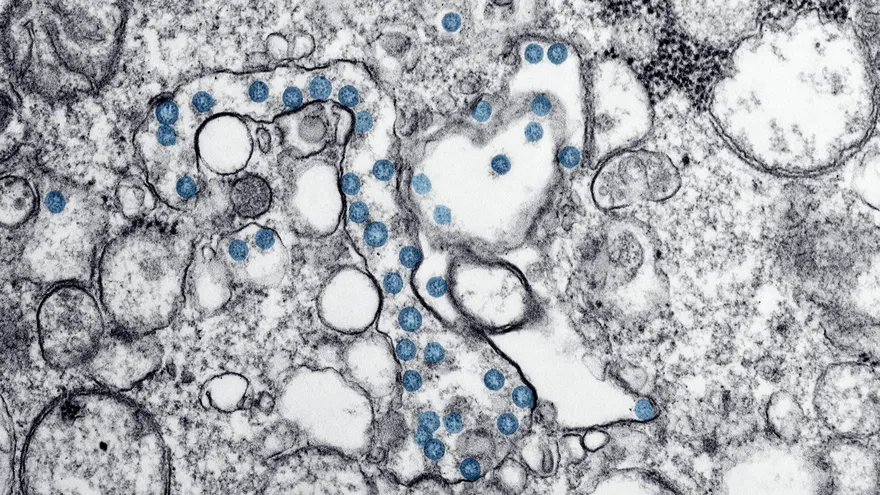
Ebola epidemic in DR Congo surpasses 6,000 confirmed cases
Translated from Spanish and summarized by DistantNews. Read the original for the full story.
At a glance
News
Documents & data
Ongoing story
- The Democratic Republic of Congo has recorded 6,041 confirmed Ebola cases, 2,911 deaths and 1,366 recoveries in its current outbreak.
- The outbreak began in Ituri province and spread to six provinces in the country’s north and east, where armed groups operate and state presence is weak.
- The Bundibugyo strain has no approved vaccine or specific treatment, while several products are undergoing trials and the WHO has recommended a phase-three trial of Ervebo.
The Democratic Republic of Congo’s current Ebola epidemic has surpassed 6,000 confirmed cases and nearly 3,000 deaths, making it the deadliest outbreak in the country’s history, according to health data published Monday.
Authorities recorded 6,041 confirmed cases, 2,911 deaths and 1,366 recoveries from the start of the outbreak. The epidemic began in Ituri province in the northeast and has spread to six provinces across the country’s north and east.
The outbreak is caused by the Bundibugyo strain, for which no vaccine or specific treatment has received approval. Several vaccines and treatments are being tested against the relatively little-known strain.
The virus can initially produce apparently mild symptoms, health authorities said, potentially delaying detection. The epidemic has also reached areas where state presence is fragile and armed groups operate, according to the report.
Most previous Ebola outbreaks in the country involved the Zaire strain. While researchers work toward a vaccine specifically targeting Bundibugyo, the World Health Organization has recommended a phase-three clinical trial of Ervebo, an approved vaccine for the Zaire strain.
About this summary
Originally published by TVN Panamá in Spanish. Translated, summarized, and contextualized automatically by DistantNews, with a note on how the source frames the story. Not individually reviewed before publishing. How this works.
More Stories


From Our Blog

What Gets Lost (and Found) When News Is Translated

The Critical Role of Diaspora Media in Global News

What Travellers Should Know About Countries with Restricted Press

A Digital Nomad's Guide to Following Local News

How the Same Story Looks Different in Different Countries
