


ECB Back to Square One on Inflation Fight Amid Middle East Tensions
Translated from Greek, summarized and contextualized by DistantNews.
At a glance
News
Named sources
Context piece
- The European Central Bank is back to square one in its fight against inflation due to renewed Middle East tensions, according to the Bank of Greece governor.
- Rising oil prices, driven by escalating conflict between the US and Iran, have increased the likelihood of further interest rate hikes by the ECB.
- The uncertain situation in the Middle East makes predicting inflation and guiding monetary policy challenging for the ECB.
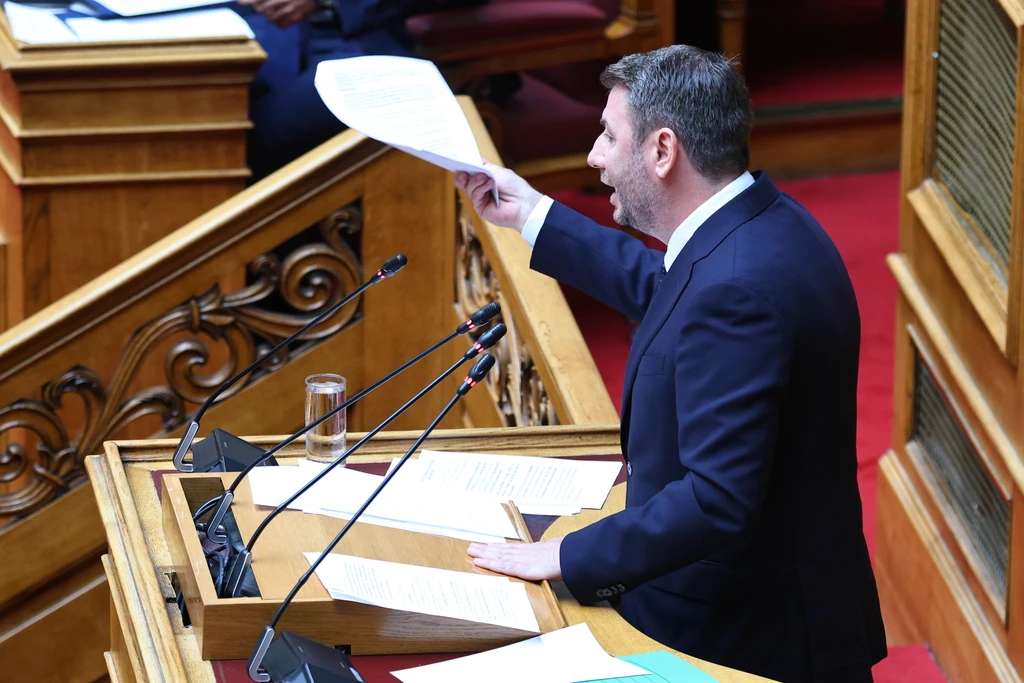
The European Central Bank faces renewed uncertainty in its battle against inflation, as escalating tensions in the Middle East threaten to drive up energy prices. Governor of the Bank of Greece, Yannis Stournaras, stated that the ECB has "returned to square one" in its efforts to control rising costs.
The European Central Bank has returned to square one in its fight against high inflation in the Eurozone.
Initially, a ceasefire agreement between the US and Iran had led to a drop in oil prices, easing pressure on the ECB to raise interest rates. This development had contributed to a lower-than-expected inflation rate of 2.8% in the Eurozone for June 2026. Investors had anticipated only two more rate hikes by the end of the year.
The US-Iran agreement had led to an unexpected decrease in energy prices near pre-war levels.
However, recent events, including statements from Donald Trump and renewed attacks, have jeopardized the ceasefire. This has caused oil prices to climb again, with prices nearing $80 per barrel. Bank of America now considers a second interest rate hike more probable.
The hostilities between the US and Iran have started again, so we are back to square one.
Stournaras emphasized the unpredictable nature of the situation, stating, "The hostilities between the US and Iran have started again, so we are back to square one." He highlighted the instability in the Middle East and its direct impact on energy prices, inflation outlook, and the challenges for monetary policy. Officials are awaiting further inflation data and forecasts before their meeting in Frankfurt in two weeks, leaving the decision on interest rates open.
Nobody can really predict what will happen next. These developments show how uncertain and unstable the situation in the Middle East remains, and therefore, energy prices.
DistantNews Editorial
Originally published by Kathimerini in Greek. Translated, summarized, and contextualized by our editorial team with added local perspective. Read our editorial standards.
More Stories

From Our Blog

What Gets Lost (and Found) When News Is Translated

The Critical Role of Diaspora Media in Global News

What Travellers Should Know About Countries with Restricted Press

A Digital Nomad's Guide to Following Local News

How the Same Story Looks Different in Different Countries
