

/s3/static.nrc.nl/wp-content/uploads/2026/07/23112035/230726CUL_2035427817_ZAP.jpg)
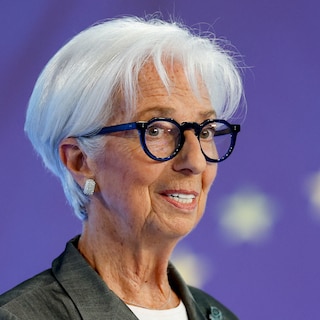
ECB Fears Persistent Inflation as War Flares Up in Iran
Translated from Dutch, summarized and contextualized by DistantNews.
At a glance
News
Sources not specified
Context piece
- The European Central Bank (ECB) fears persistent inflation due to the renewed conflict in Iran.
- Rising energy prices, particularly oil, are a major concern, potentially impacting the ECB's efforts to stabilize prices.
- The central bank is closely monitoring the geopolitical situation and its economic consequences.
The European Central Bank (ECB) is bracing for the possibility of prolonged inflation as the conflict in Iran escalates. The renewed hostilities have heightened concerns about potential disruptions to global energy markets, particularly oil supplies. This development poses a significant challenge to the ECB's ongoing efforts to manage and stabilize inflation within the eurozone.
Central bankers are closely observing the geopolitical ramifications of the conflict. Any sustained increase in energy prices, driven by instability in the Middle East, could translate into higher costs for businesses and consumers across Europe. This, in turn, could make it more difficult for the ECB to achieve its inflation targets and maintain economic stability.
The ECB's primary mandate is price stability, and persistent inflation fueled by external shocks like the conflict in Iran complicates its policy decisions. While the bank has tools to combat inflation, the nature of this potential price surge, linked to supply-side pressures from a volatile region, presents a complex scenario. The bank's focus remains on monitoring the situation and assessing its impact on the broader economic outlook.
DistantNews Editorial
Originally published by De Volkskrant in Dutch. Translated, summarized, and contextualized by our editorial team with added local perspective. Read our editorial standards.
More Stories
/s3/static.nrc.nl/wp-content/uploads/2026/07/17093737/200726OPI_2035288614_WEB_ILLU_Economist_Committee_Mari-Fouz.jpg)
/s3/static.nrc.nl/wp-content/uploads/2026/07/20162155/200726DEN_2035275855_zekerheid.jpg)
/s3/static.nrc.nl/wp-content/uploads/2026/07/16133952/130726ECO_2034761658_Damen.jpg)
From Our Blog

What Gets Lost (and Found) When News Is Translated

The Critical Role of Diaspora Media in Global News

What Travellers Should Know About Countries with Restricted Press

A Digital Nomad's Guide to Following Local News

How the Same Story Looks Different in Different Countries
