

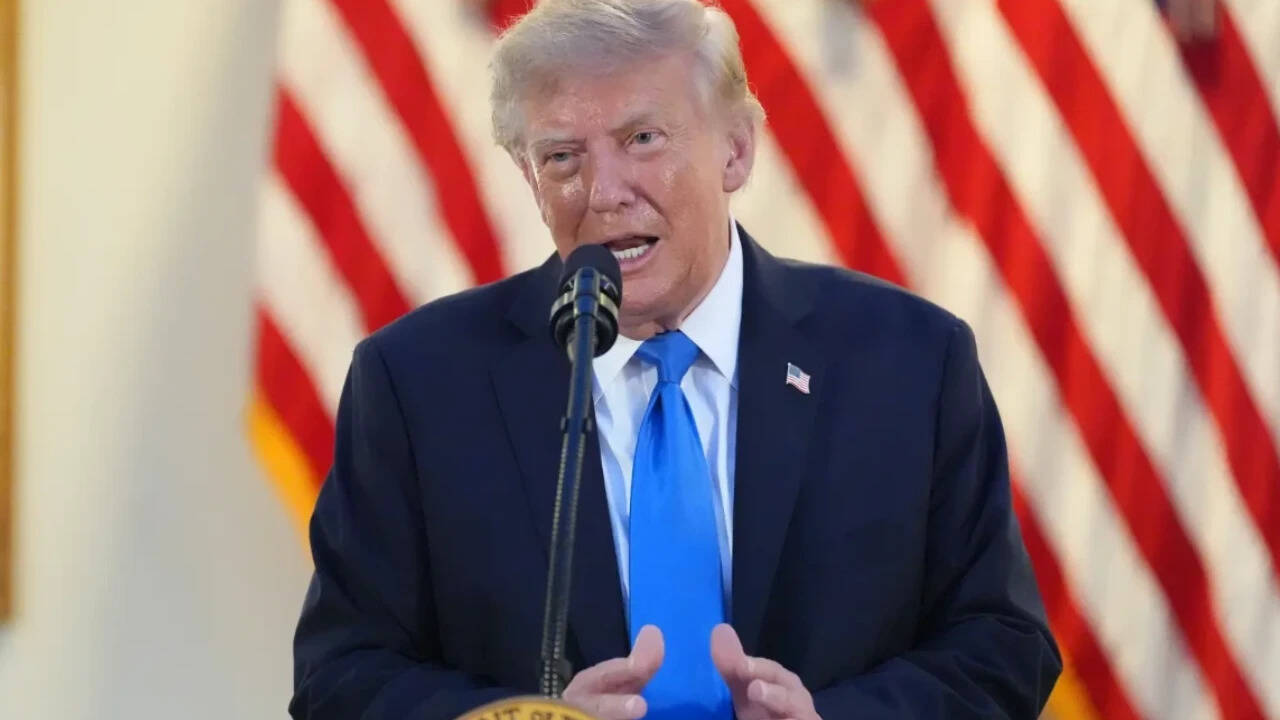

Economic, Military, Diplomatic or Covert Pressure? Vance Keeps Trump’s Iran Options Private
Translated from English and summarized by DistantNews. Read the original for the full story.
At a glance
News
Named sources
Ongoing story
- Vice President JD Vance said the United States is considering a range of economic, military, diplomatic and covert options as its conflict with Iran escalates.
- Vance defended US operations protecting commercial shipping in the Strait of Hormuz and cited the risk of a wider energy crisis.
- His comments came as President Donald Trump weighs whether to declare the war over while US troop deployments and renewed strikes point to a continuing confrontation.
JD Vance is keeping Washington’s plans for Iran deliberately vague. The vice president said the Trump administration has several tools available, from economic and diplomatic pressure to military and covert action, but that President Donald Trump would decide which ones to use.
“There are a lot of additional tools that we have at our disposal. Some of those the President will use and some of them he won’t,” Vance said at a media briefing. “But everything that could happen is on the table. Economic pressure, military pressure, diplomatic pressure, covert pressure. Of course these are tools in the President’s toolkit.”
There are a lot of additional tools that we have at our disposal. Some of those the President will use and some of them he won’t.
Vance said uncertainty was part of the strategy. “Part of the reason they’re tools in the toolkit is because the Vice President, hopefully, is not dumb enough to stand up before all of you and a million Americans watching at home and say exactly what it is that we plan on doing,” he said.
But everything that could happen is on the table. Economic pressure, military pressure, diplomatic pressure, covert pressure. Of course these are tools in the President’s toolkit.
He also defended US military operations aimed at protecting commercial vessels and keeping oil and gas supplies moving through the Strait of Hormuz. Vance accused Iran of continuing attacks on commercial shipping and said the United States would otherwise have faced an energy crisis. “We would have had an energy crisis because the Iranians refuse to stop acting like terrorists in the Strait of Hormuz,” he said.
The comments came as the administration weighs its next move in a seven-month-old conflict with no durable settlement in sight. A Wall Street Journal report said Trump was privately considering whether to declare the war over as midterm elections approach and energy prices remain elevated. The Pentagon has extended troop deployments in West Asia, suggesting the military confrontation could continue into next year.
We would have had an energy crisis because the Iranians refuse to stop acting like terrorists in the Strait of Hormuz.
Renewed strikes have added to the uncertainty. US Central Command said American forces hit several sites inside Iran, while Tehran attacked US-linked facilities across the Gulf. Trump said the conflict would not continue for “very much longer” and described a recent US operation as a “very heavy attack” on military equipment near the Strait of Hormuz, including radar and missile-related systems. Vance also said China was willing to cooperate with Washington, contrasting Beijing’s position with Tehran’s.
Part of the reason they’re tools in the toolkit is because the Vice President, hopefully, is not dumb enough to stand up before all of you and a million Americans watching at home and say exactly what it is that we plan on doing.
About this summary
Originally published by Times of India in English. Translated, summarized, and contextualized automatically by DistantNews, with a note on how the source frames the story. Not individually reviewed before publishing. How this works.
More Stories


From Our Blog

What Press Freedom Means for the News You Read

News in Translation: What Gets Lost, and How We Keep the Framing

Diaspora Media: How Communities Abroad Follow Home

Traveling Where the Press Is Not Free: How to Read the News There

The Digital Nomad's Guide to Local News
