


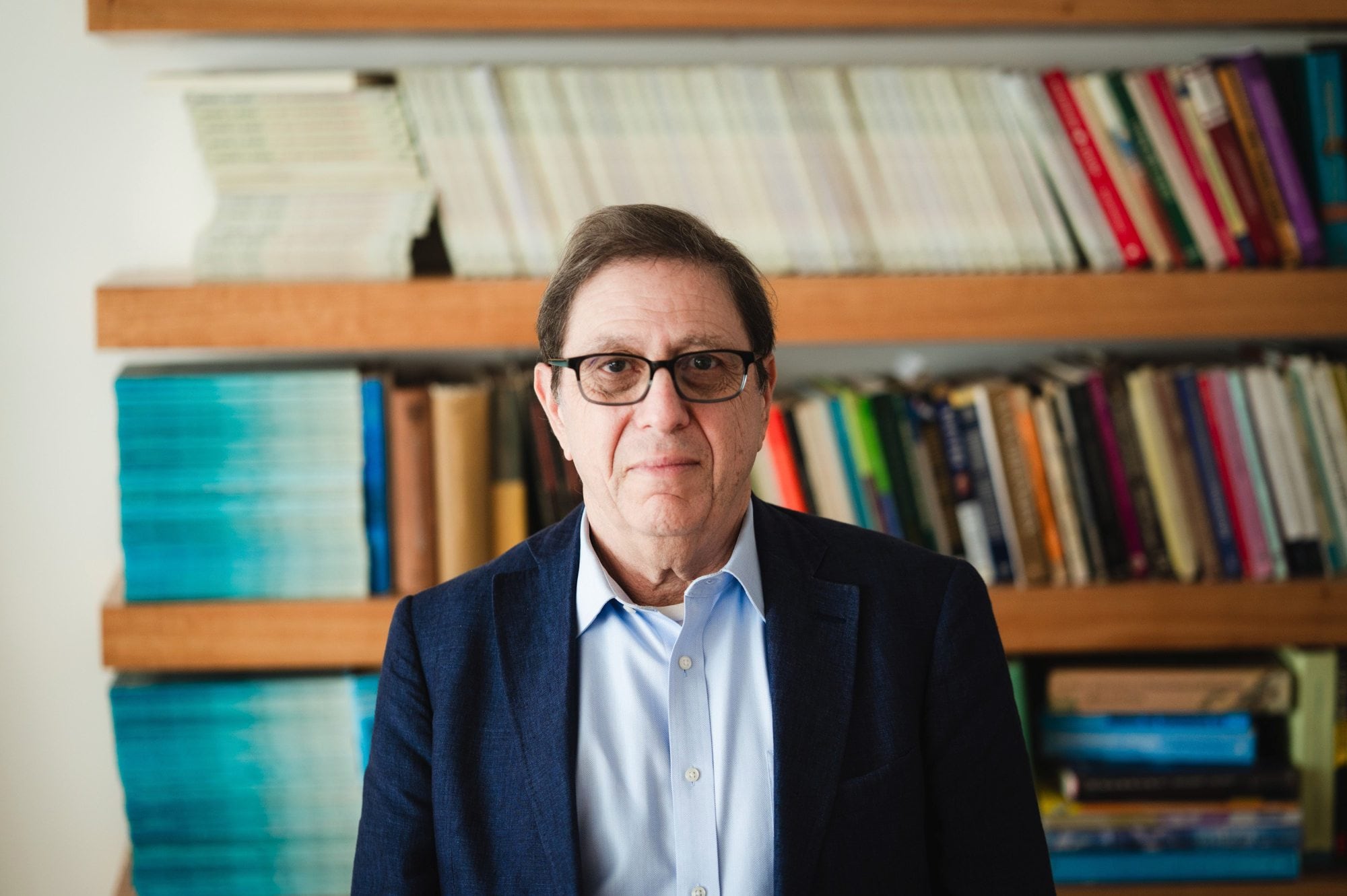
Economist Urges Aggressive Dollar Buys, Cites Uneven Growth and Suggests FGS Fund Use
Translated from Spanish, summarized and contextualized by DistantNews.
TLDR
- Economist Miguel Kiguel praises the Central Bank of Argentina's aggressive dollar purchases but warns about future foreign currency flows.
- He notes that while interest rates have fallen, a high level of irregular credit portfolios hinders banks' lending capacity, particularly to SMEs and mass consumption.
- Kiguel suggests the government could use the FGS (Sustainability Guarantee Fund) of Anses creatively to provide an economic boost without increasing the fiscal deficit.
Economist Miguel Kiguel offers a nuanced perspective on Argentina's current macroeconomic landscape, commending the Central Bank of Argentina (BCRA) for its aggressive strategy in acquiring dollars. This policy, he argues, is crucial for bolstering reserves and stabilizing the financial environment. However, Kiguel tempers his praise with a cautionary note regarding the sustainability of foreign currency inflows in the latter half of the year, suggesting that vigilance is required.
“No sirve que el crecimiento esté tan concentrado en pocos sectores”, plantea el economista Miguel Kiguel, al describir el escenario macroeconómico y la heterogeneidad entre los sectores que muestran los datos de actividad.
A significant concern highlighted by Kiguel is the uneven nature of economic activity. While acknowledging the government's efforts to lower interest rates—a move intended to stimulate lending—he points out that a substantial portfolio of irregular loans continues to impede banks' willingness and ability to extend credit. This is particularly true for small and medium-sized enterprises (SMEs) and the broader consumer market, which are not benefiting from the same lending enthusiasm directed towards sectors like Vaca Muerta. Kiguel characterizes the current economic recovery not as a rapid ascent but as a slow, propeller-driven takeoff, emphasizing the need for more than just incentives to invest.
“Este es el momento para comprar lo más agresivamente que uno pueda”, dice en diálogo con LA NACION.
Looking for additional levers to accelerate growth without exacerbating the fiscal deficit, Kiguel proposes a creative utilization of the FGS (Sustainability Guarantee Fund) managed by Anses (the national social security administration). He views the FGS, established during the Kircherist-Peronist era through the nationalization of pension funds, as a potential source of long-term financing that could be strategically deployed to support private investment. This suggestion implies a willingness to leverage existing, albeit controversial, financial instruments to provide the economy with a much-needed "push" towards more robust and widespread recovery, moving beyond the current "diver's bubble" rebound experienced in 2024.
“Eso aceleró los tiempos y le pegó al consumo. Empezó a afectar a los bancos en la calidad del crédito. La cartera irregular subió muchísimo y a partir de ahí tuviste un momento en que la economía se frenó mucho más.
DistantNews Editorial
Originally published by La Nación in Spanish. Translated, summarized, and contextualized by our editorial team with added local perspective. Read our editorial standards.
More Stories


From Our Blog

What Gets Lost (and Found) When News Is Translated

The Critical Role of Diaspora Media in Global News

What Travellers Should Know About Countries with Restricted Press

A Digital Nomad's Guide to Following Local News

How the Same Story Looks Different in Different Countries
