

Ecuador grants immunity to foreign personnel aiding war on criminal gangs
Translated from Spanish, summarized and contextualized by DistantNews.
At a glance
News
Official statement
New plan
- Ecuador's President Daniel Noboa has signed a decree granting immunity to foreign personnel assisting in the fight against organized crime.
- The decree aligns with international instruments signed by Ecuador and aims to bolster cooperation in neutralizing threats from drug trafficking, illegal mining, and extortion.
- This measure is part of the "internal armed conflict" declared against criminal gangs since January 2024.
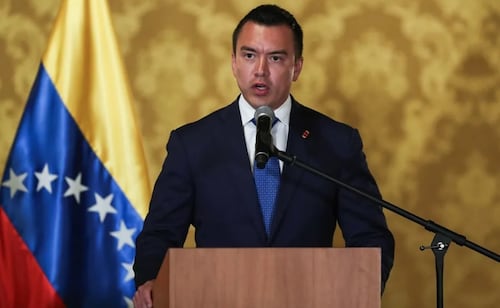
Ecuadorian President Daniel Noboa has issued a decree granting immunity to foreign personnel who participate in actions against organized crime within the country. This measure, aligned with international agreements signed by Ecuador, aims to strengthen cooperation in neutralizing the threats posed by criminal groups involved in drug trafficking, illegal mining, and extortion.
The decree specifically states that "foreign personnel from cooperating states who participate in actions executed within the framework of the internal armed conflict will enjoy immunity in accordance with applicable international instruments and agreements subscribed to" by Ecuador. This move comes as Ecuador continues its declared "internal armed conflict" against mafias, which began in January 2024 amid a surge in criminal activity.
The government is seeking international assistance to bolster its efforts against these pervasive criminal threats. The declaration of an "internal armed conflict" signifies the severity of the situation, as the country grapples with escalating violence and illicit activities fueled by powerful criminal organizations.
The foreign personnel from the cooperating states who participate in the actions executed within the framework of the internal armed conflict will enjoy immunity in accordance with the applicable international instruments and agreements subscribed to by the Andean nation.
DistantNews Editorial
Originally published by El Universal in Spanish. Translated, summarized, and contextualized by our editorial team with added local perspective. Read our editorial standards.
More Stories


From Our Blog

What Press Freedom Means for the News You Read

What Gets Lost (and Found) When News Is Translated

The Critical Role of Diaspora Media in Global News

What Travellers Should Know About Countries with Restricted Press

A Digital Nomad's Guide to Following Local News
