


Ecuadorian Cocoa Farmers Reap Rewards from Price Boom, Invest in Future
Translated from Spanish, summarized and contextualized by DistantNews.
At a glance
In-depth
Sources not specified
Context piece
- Ecuadorian cocoa farmers experienced a significant boom in prices over two years, allowing them to fulfill deferred dreams and invest in their children's education.
- Despite a recent sharp fall in prices, the cultivation of cocoa in Ecuador is currently in a strong productive phase, with yields increasing significantly.
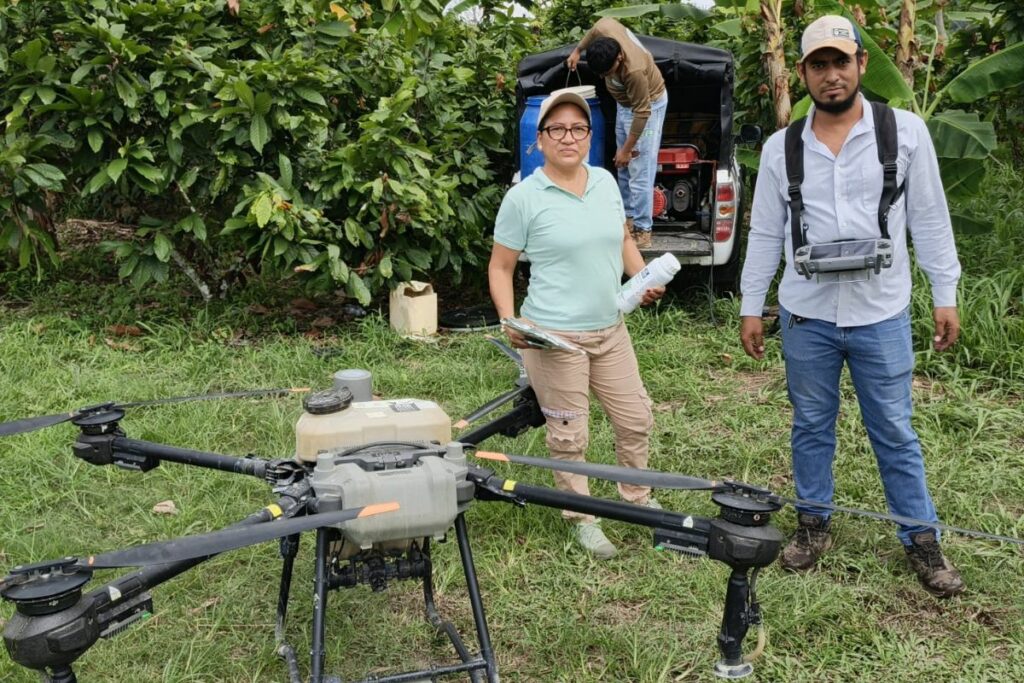
- Farmers like Mariana Álvarez used the boom to purchase equipment such as drones for fumigation, buy fertilizers, and even acquire vehicles and improve their homes.
Ecuadorian cocoa farmers enjoyed a period of unprecedented prosperity during a two-year global price boom for the commodity. This bonanza allowed many to achieve long-held aspirations, initiate new ventures, and provide enhanced educational opportunities for their children. The "golden bean" has once again transformed the lives of these agricultural producers.
While prices have recently dropped significantly, with farmers now receiving around $160 per quintal compared to over $500 during the peak, the cultivation itself is experiencing a highly productive phase. Iván Ontaneda, president of the National Association of Cocoa Exporters (Anecacao), explained that Ecuador's cocoa productivity has surged. Thanks to two decades of plantation improvements, the average yield has climbed to nearly one ton per hectare, a substantial increase from 300 kilograms just five years ago.
This heightened productivity is acting as a buffer, mitigating the impact of the price decline for farmers across key cocoa-producing provinces like Los Ríos, El Oro, and Manabí. Mariana Álvarez, a small producer in Los Ríos, shared her joy in being able to afford drone services for fumigating her seven hectares, thanks to the higher prices. She also invested in fertilizers and other inputs, boosting her production, and purchased a pickup truck and improved her home's fencing.
Álvarez recalled receiving between $450 and $480 per quintal during the boom. The increased income not only allowed her to enhance her own cultivation practices but also to support her family's farms. The financial gains enabled her nephews to pursue university studies in Quito and Guayaquil, a possibility that would have been unthinkable with the lower prices previously seen.
Similarly, Leonor Bravo utilized the cocoa price surge to create a savings fund and even purchased two heads of cattle, demonstrating the tangible benefits derived from the commodity's market upswing. The improved financial standing has allowed farmers to invest in technology, education, and assets, fundamentally changing their economic outlook.
How could I not put more love, more care into my cacao?
DistantNews Editorial
Originally published by El Comercio in Spanish. Translated, summarized, and contextualized by our editorial team with added local perspective. Read our editorial standards.
More Stories


From Our Blog

What Gets Lost (and Found) When News Is Translated

The Critical Role of Diaspora Media in Global News

What Travellers Should Know About Countries with Restricted Press

A Digital Nomad's Guide to Following Local News

How the Same Story Looks Different in Different Countries
