


Editorial: South Korea’s 821 Trillion-Won Budget Must Prepare for the ‘Debt Backlash’
Translated from Korean and summarized by DistantNews. Read the original for the full story.
At a glance
Opinion
Official statement
Approved/passed
- The government approved an 820.9 trillion-won budget proposal, up 12.8% from this year and the largest spending growth rate on record.
- It plans to use stronger tax revenue, driven partly by a semiconductor boom, to fund AI, major industrial projects and other growth initiatives.
- The editorial warns that national debt could exceed 1,500 trillion won next year and 1,700 trillion won by 2030, while cash benefits and rising mandatory spending add pressure.
South Korea’s proposed budget would increase spending by 93 trillion won in one year, taking total government expenditure to 820.9 trillion won. The scale of the expansion has prompted a warning that the country must prepare for a “debt backlash.”
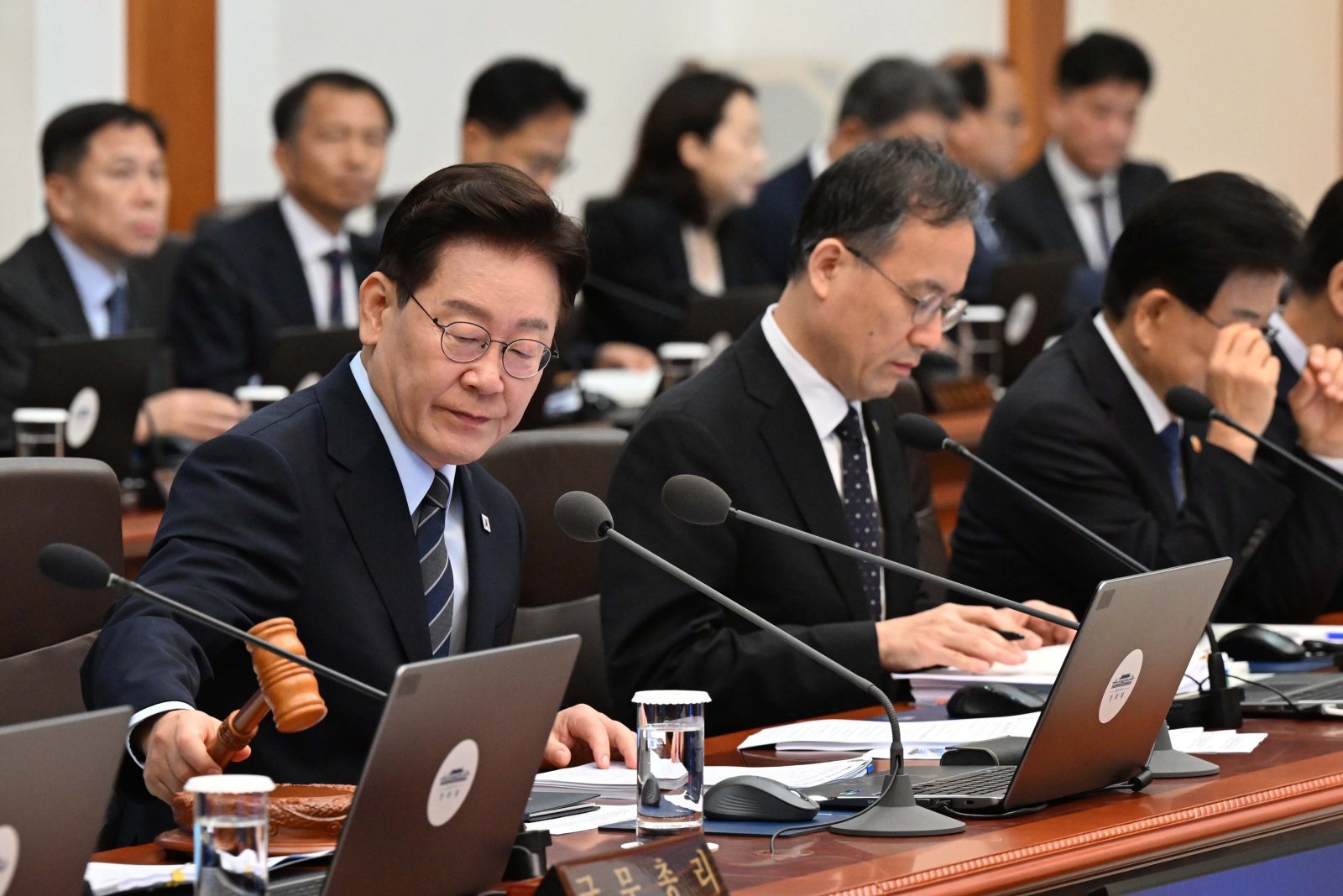
The government approved the plan at a Cabinet meeting on Sept. 1, setting spending growth at 12.8%. That exceeds the previous record of 10.6% in 2009. Officials say an expected semiconductor boom will lift next year’s national tax revenue by 50%, creating room to invest in growth.
More than 84 trillion won would go to three major projects, artificial intelligence and next-generation growth industries. The plan would also establish a 160 trillion-won Future Response Fund using additional tax revenue. It would allocate 45.4 trillion won to young people, growth engines, regional development, education and talent, while keeping the remainder as a reserve.
President Lee Jae-myung said the government needed a productive fiscal strategy that uses expanded resources to grow the economy and strengthen industrial capabilities, thereby creating more fiscal room. The editorial, however, argues that some programs appear to be politically popular spending hidden behind the language of future investment.
It points to full tuition support for new students at regional national universities, expanded basic income for rural and fishing communities, and higher child allowances. It also criticizes the decision to increase basic pension spending instead of moving toward a reform that would narrow eligibility while providing more support to lower-income older people.
The editorial warns that mandatory spending is already rising by more than 8% a year because of low birth rates and an aging population. It questions whether the expansion can last if the semiconductor cycle weakens. National debt could top 1,500 trillion won next year and 1,700 trillion won by 2030. Parliament, it says, should remove politically popular projects and scrutinize the balance between growth investment and fiscal soundness.
A productive fiscal strategy is needed: use increased future resources to enlarge the economic pie and upgrade industrial capabilities, then expand fiscal room through that process.
About this summary
Originally published by Dong-A Ilbo in Korean. Translated, summarized, and contextualized automatically by DistantNews, with a note on how the source frames the story. Not individually reviewed before publishing. How this works.
More Stories



From Our Blog

What Gets Lost (and Found) When News Is Translated

The Critical Role of Diaspora Media in Global News

What Travellers Should Know About Countries with Restricted Press

A Digital Nomad's Guide to Following Local News

How the Same Story Looks Different in Different Countries
