


![[Editorial] “Stakeholders Must Be Happy Together”… The ‘N% Performance Bonus’ Principle Needs Correction](https://dimg.donga.com/wps/NEWS/IMAGE/2026/07/20/134332702.1.jpg)
[Editorial] “Stakeholders Must Be Happy Together”… The ‘N% Performance Bonus’ Principle Needs Correction
Translated from Korean, summarized and contextualized by DistantNews.
At a glance
Analysis
Named sources
Context piece
- SK Group Chairman Chey Tae-won addressed the controversy surrounding performance-based bonuses tied to operating profit.
- He emphasized that "stakeholders must be happy together" as a condition for employee happiness, broadening the definition of stakeholders beyond shareholders.
- The article argues for a revision of the performance bonus system to prioritize the company's survival and growth, ensuring stakeholder consensus.
SK Group Chairman Chey Tae-won has signaled a potential revision to the company's performance bonus system, which links bonuses to operating profit. This system, initiated by SK Hynix, allocates up to 10% of annual operating profit as bonuses without a cap. While intended to retain talent and foster a performance-driven culture, it has sparked social debate, particularly amid the semiconductor industry's boom.
stakeholders must be happy together
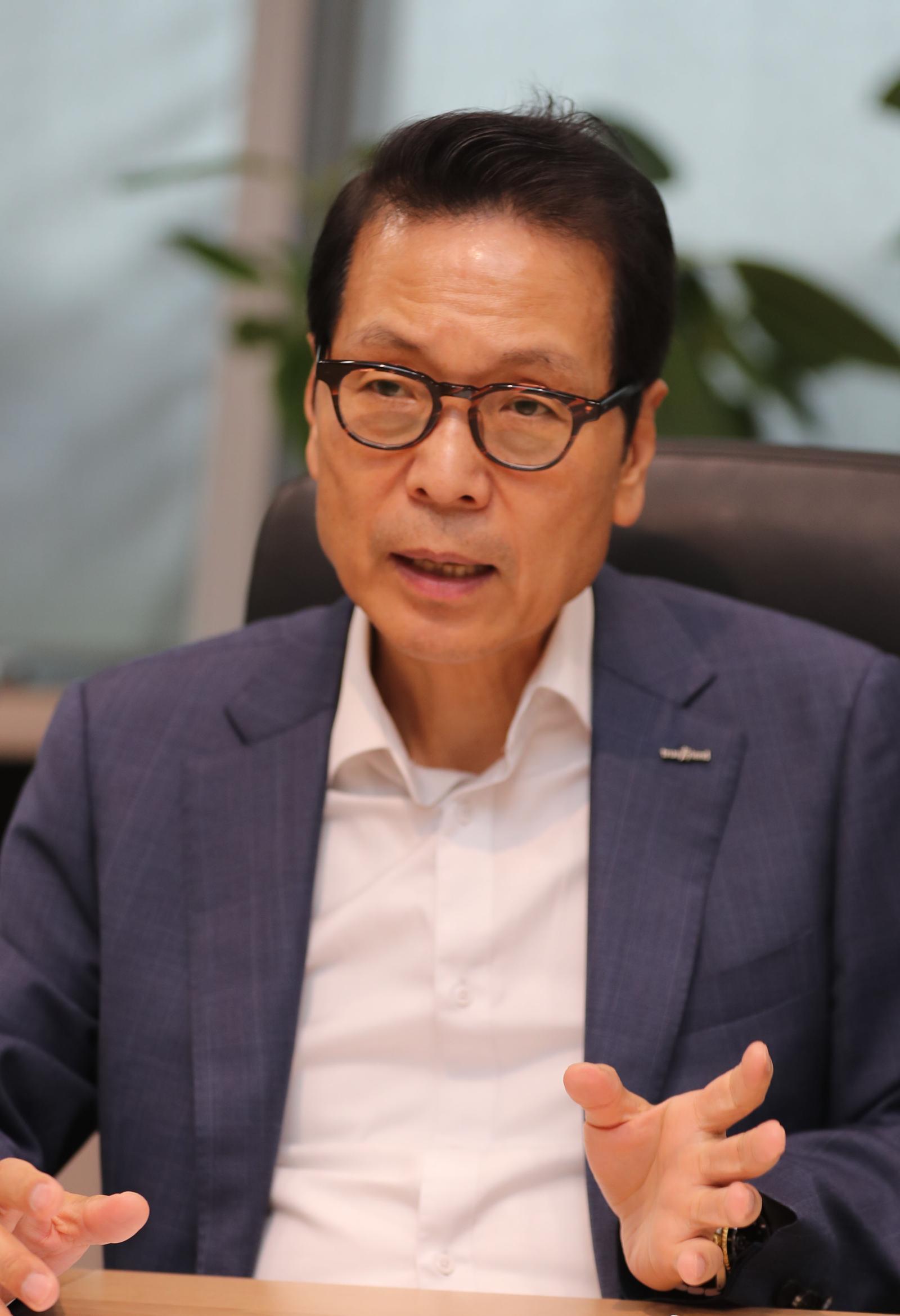
Chey stated at a press conference that while employee happiness is the goal, it is contingent on the collective happiness of all "stakeholders." He defined stakeholders broadly to include shareholders, employees, customers, suppliers, and the local community, advocating for a more inclusive view of corporate responsibility. He suggested that if the bonus payouts are perceived to infringe upon the interests of shareholders or other stakeholders, adjustments may be necessary for "sustainable happiness."
The debate over performance bonuses tied to operating profit is spreading to other sectors, including Samsung Electronics, shipbuilding, automotive, and IT industries. Critics argue that distributing a portion of operating profit, which is calculated before taxes, to employees can sideline the interests of shareholders and creditors. This has led to legal challenges from shareholders and calls for government and legislative intervention.
Sustainable happiness requires intervention.
The article contends that the current system needs institutional improvement due to escalating labor disputes and shareholder backlash. It stresses that the South Korean semiconductor industry faces immense pressure to maintain its competitive edge against rivals like the U.S. and China. Wasting time on disputes over vaguely defined "excess profits" and bonus conflicts is seen as detrimental. The piece concludes by urging a prioritization of the company's survival and growth in profit distribution, advocating for a bonus system that garners consensus among all stakeholders.
We should not be happy by compromising the happiness of stakeholders.
DistantNews Editorial
Originally published by Dong-A Ilbo in Korean. Translated, summarized, and contextualized by our editorial team with added local perspective. Read our editorial standards.
More Stories


From Our Blog

What Gets Lost (and Found) When News Is Translated

The Critical Role of Diaspora Media in Global News

What Travellers Should Know About Countries with Restricted Press

A Digital Nomad's Guide to Following Local News

How the Same Story Looks Different in Different Countries
