


Educator Sees 'Marked Shift' in Student AI Use, Issues Urgent Call to Action
Translated from Danish and summarized by DistantNews. Read the original for the full story.
At a glance
Opinion
Named sources
Context piece
- An educator observes a significant shift in students' use of artificial intelligence, prompting concern.
- He argues that current practices render traditional exams unusable and calls for new approaches to foster independent thinking.
- The educator believes educators lack the formal authority to intervene despite individual concerns about AI's role in education.
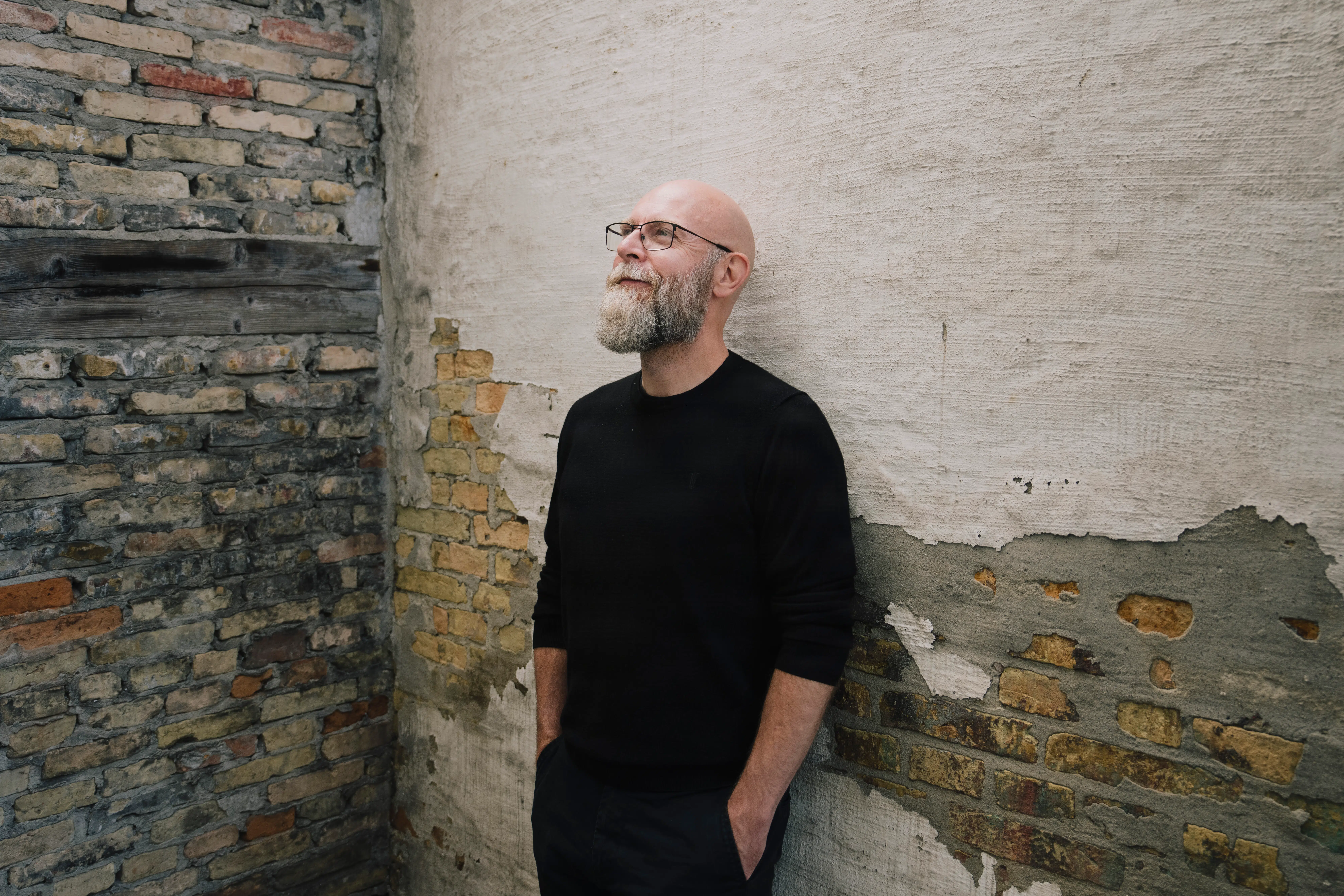
Peter Gammeltoft, a researcher and educator at DTU, has witnessed a "marked shift" in how students utilize artificial intelligence, leading him to issue a call to action. He notes that with the recent graduation of high school students, exams have revealed justified concerns about AI's pervasive influence.
Gammeltoft explains that powerful language models, already performing at an expert level in most academic fields, have rendered many traditional examination formats obsolete. He argues that if the goal is for students to develop independent, creative, reflective, and critical thinking skills, educators must adopt different strategies to curb the unchecked use of AI.
If we want students to be able to think independently, creatively, reflectively, and critically, we must do something different to curb the use of artificial intelligence.
Currently, Gammeltoft observes, "everything is permitted," leaving educators without formal grounds to intervene, despite personal reservations. He believes this situation necessitates a change in how education is approached to ensure students cultivate essential cognitive abilities rather than relying solely on AI.
At the moment, everything is permitted, and we as educators do not have formal grounds to intervene, regardless of any individual opinions or concerns.
About this summary
Originally published by Berlingske in Danish. Translated, summarized, and contextualized automatically by DistantNews, with a note on how the source frames the story. Not individually reviewed before publishing. How this works.
More Stories



From Our Blog

News in Translation: What Gets Lost, and How We Keep the Framing

Diaspora Media: How Communities Abroad Follow Home

Traveling Where the Press Is Not Free: How to Read the News There

The Digital Nomad's Guide to Local News

The Same Story, Different Countries: How Coverage Changes at the Border
