

El Niño advances, leaving northern Peru with unfinished works, unmet promises, and thousands at risk
Translated from Spanish, summarized and contextualized by DistantNews.
At a glance
News
Named sources
Ongoing story
- Scientific projections indicate El Niño will strengthen, but Peru's northern coast faces the rainy season with incomplete flood prevention works.
- Coastal areas in Piura, Lambayeque, and La Libertad have unfinished river defenses, stalled projects, and vulnerable communities still affected by past events.
- The Niño Global phenomenon may also extend, potentially coinciding with El Niño Costero and increasing the risk of above-normal rainfall on the northern coast.
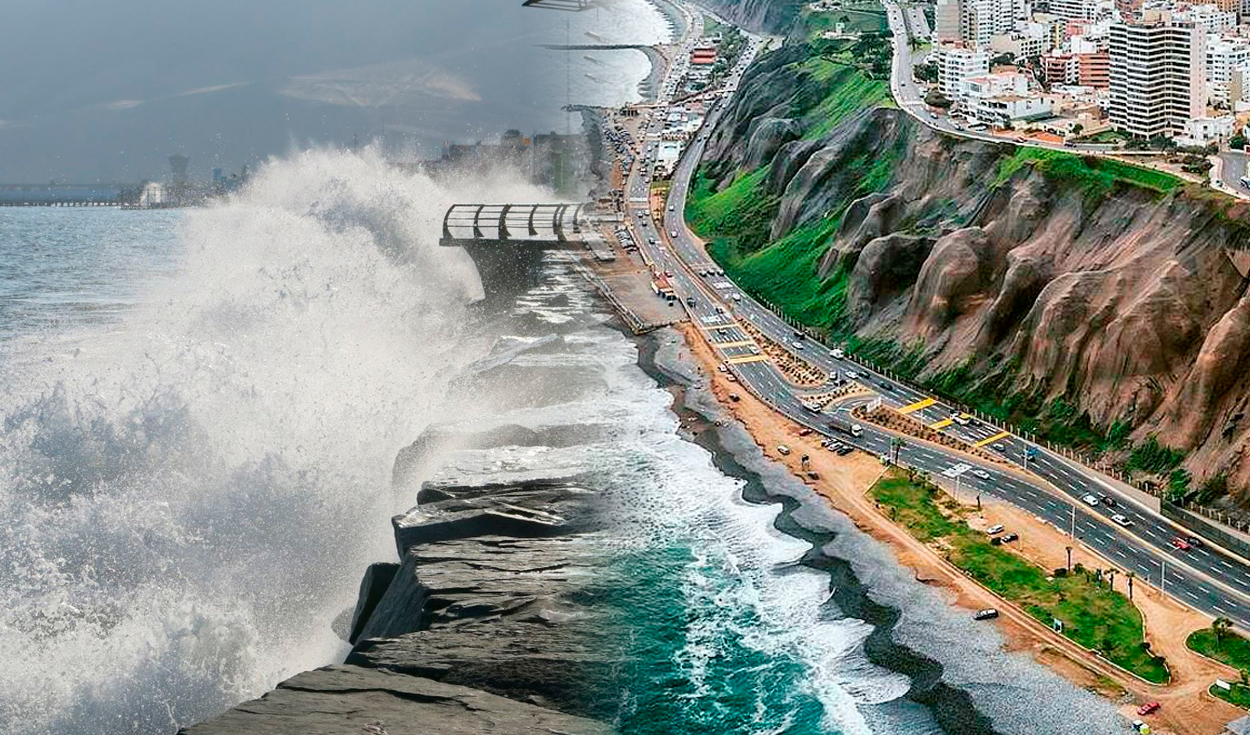
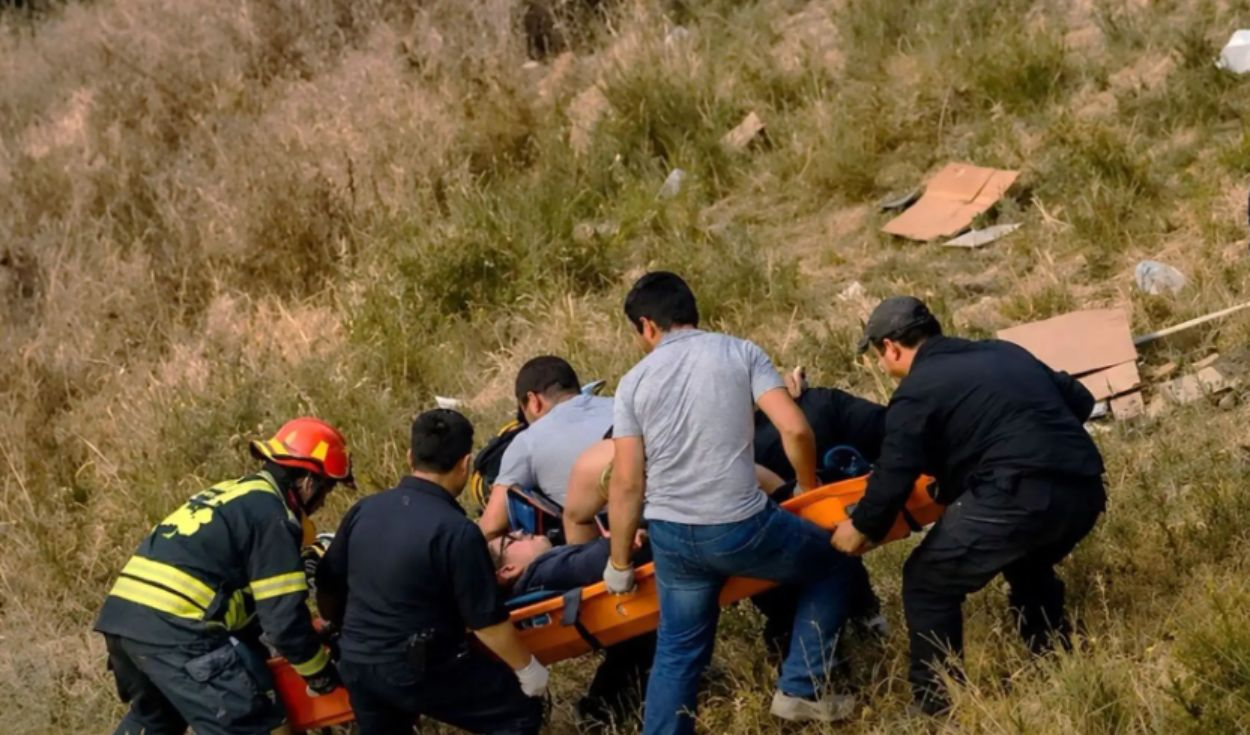
As scientific entities project El Niño to continue strengthening in the coming months, a significant portion of Peru's northern coast is bracing for the rainy season without the necessary flood prevention measures. Regions like Piura, Lambayeque, and La Libertad are grappling with incomplete river defenses, stalled projects, vulnerable riverbeds, and communities still recovering from the impacts of previous El Niño events in 2017, 2023, and 2025.
The National Study of the El Niño Phenomenon (ENFEN) maintains its alert for El Niño Costero, forecasting its continuation until April 2027. The most probable scenario suggests a strong magnitude, with a possibility of reaching extraordinary levels by late 2026. Concurrently, the global El Niño event could persist until April 2027, potentially reaching a very strong intensity between November and December of this year.
Both impact Peru, and we expect a coupling between the two.
Luis Vásquez, ENFEN's spokesperson, explained that while El Niño Costero and Niño Global have distinct characteristics, their effects could converge over Peru. El Niño Costero is linked to sea warming off the coast, while Niño Global relates to the central Pacific. "Both impact Peru, and we expect a coupling between the two," he stated. This combined scenario could lead to above-normal rainfall on the northern coast, while other areas might experience different weather patterns.
May every guest who comes not only enjoy this performance but also leave with a message of the hospitality of the West Java people, their cultural richness, and the spirit of togetherness that is our identity.
Grinia Ávalos, Director of Meteorology at Senamhi, added that the Pacific warming is expected to continue through the upcoming months and into early autumn 2027, potentially intensifying rainy season episodes. Former Housing Minister Hania Pérez de Cuéllar criticized the persistent delays in protection works nearly a decade after the 2017 El Niño, attributing it to the state's lack of priority for prevention. She warned that postponing these investments not only heightens population risk but also escalates economic losses during emergencies.
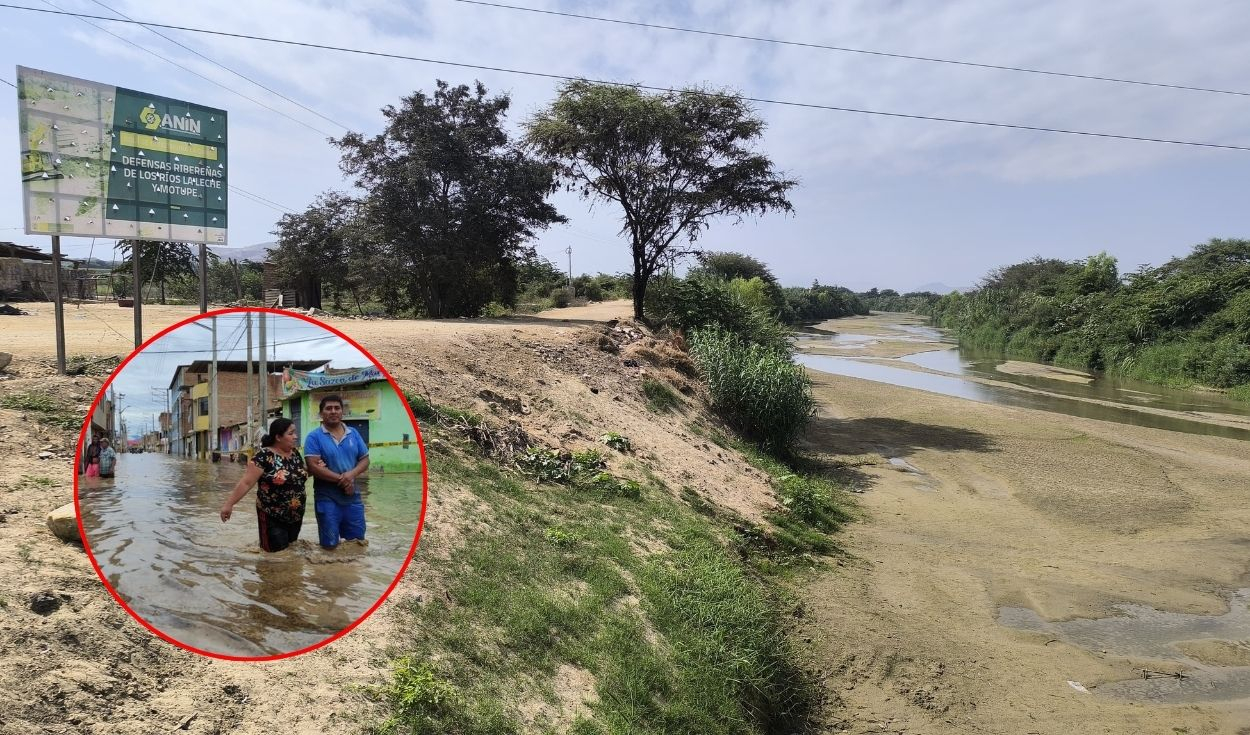
In Lambayeque, over six thousand residents in Íllimo and Pacora are concerned about the La Leche River. Planned river defenses remain unbuilt despite completed technical designs, with the mayor of Íllimo, Juan Pablo Santamaría, noting that the works, scheduled to start in late 2024, never received funding. The National Infrastructure Authority (ANIN) confirmed that the project to intervene 44 kilometers of the river is paralyzed due to a lack of budget, requiring an investment exceeding S/ 2,000 million.
If these defenses had been built, we would be a little safer.
DistantNews Editorial
Originally published by La República in Spanish. Translated, summarized, and contextualized by our editorial team with added local perspective. Read our editorial standards.
More Stories
From Our Blog

What Gets Lost (and Found) When News Is Translated

The Critical Role of Diaspora Media in Global News

What Travellers Should Know About Countries with Restricted Press

A Digital Nomad's Guide to Following Local News

How the Same Story Looks Different in Different Countries
