

El Niño phenomenon reduces water levels in Panama's Dry Arch region, Idaan warns
Translated from Spanish, summarized and contextualized by DistantNews.
At a glance
News
Named sources
Context piece
- Panama's Idaan director warns of declining water levels in the Dry Arch region due to the El Niño phenomenon.
- Water sources for Coclé and Azuero provinces are directly affected, prompting contingency planning.
- While the capital's water supply remains stable, Idaan is exploring new groundwater sources for affected areas.
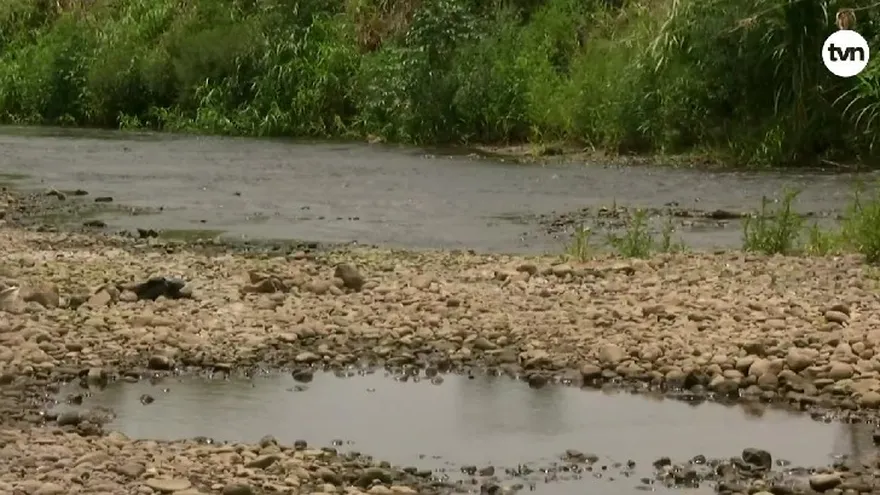
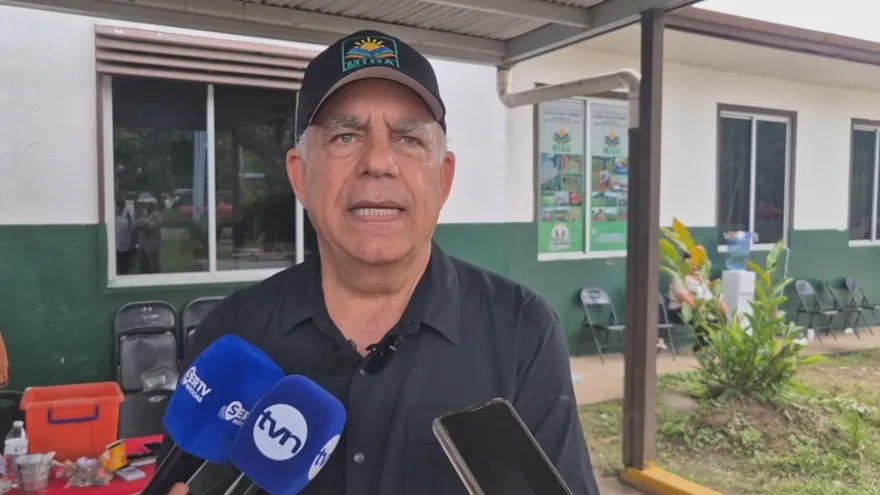
The director of Panama's National Institute of Aqueducts and Sewerage (Idaan), Antonio Tercero González, has confirmed that the El Niño phenomenon is significantly impacting water sources in the Dry Arch region. This climate event is directly affecting the water supply for the provinces of Coclé and the Azuero Peninsula.
González stated that the intensity of El Niño has caused a notable reduction in surface water flows and well levels. In response, Idaan is developing an immediate contingency strategy to ensure potable water availability. The institution's priority is to find sustainable solutions on the ground rather than relying solely on emergency water distribution to affected communities.
We are already seeing very low flows, especially in the water treatment plants in the Azuero and Coclé areas, as well as low well levels.
"We are already seeing very low flows, especially in the water treatment plants in the Azuero and Coclé areas, as well as low well levels," warned Tercero González. While water tanker distribution will remain an emergency option, technical efforts are focused on exploiting new underground sources. "We are evaluating other well drillings and aquifers that have not yet been tapped," he added.
In contrast, water levels for the capital city remain stable. Javier Sánchez, superintendent of the Chilibre Water Treatment Plant, reported that the raw water levels in Lake Alajuela, the primary source for Panama City, are above the usual average for this time of year, offering a providential buffer against the drought affecting other regions.
We are evaluating other well drillings and aquifers that have not yet been tapped.
DistantNews Editorial
Originally published by TVN Panamá in Spanish. Translated, summarized, and contextualized by our editorial team with added local perspective. Read our editorial standards.
More Stories

From Our Blog

What Gets Lost (and Found) When News Is Translated

The Critical Role of Diaspora Media in Global News

What Travellers Should Know About Countries with Restricted Press

A Digital Nomad's Guide to Following Local News

How the Same Story Looks Different in Different Countries
