

El Niño Phenomenon Threatens Severe Droughts, Excessive Heat, and Agricultural Losses in Guatemala
Translated from Spanish, summarized and contextualized by DistantNews.
TLDR
- Guatemala faces a severe threat of drought, excessive heat, and agricultural losses in the latter half of the year due to the anticipated arrival of El Niño.
- Unusual rainy seasons and high river levels in early 2026, influenced by La Niña, are expected to be replaced by drier conditions starting in July.
- The 'dry corridor' region is particularly vulnerable, risking food insecurity for many families, while increased temperatures also raise the risk of forest fires.
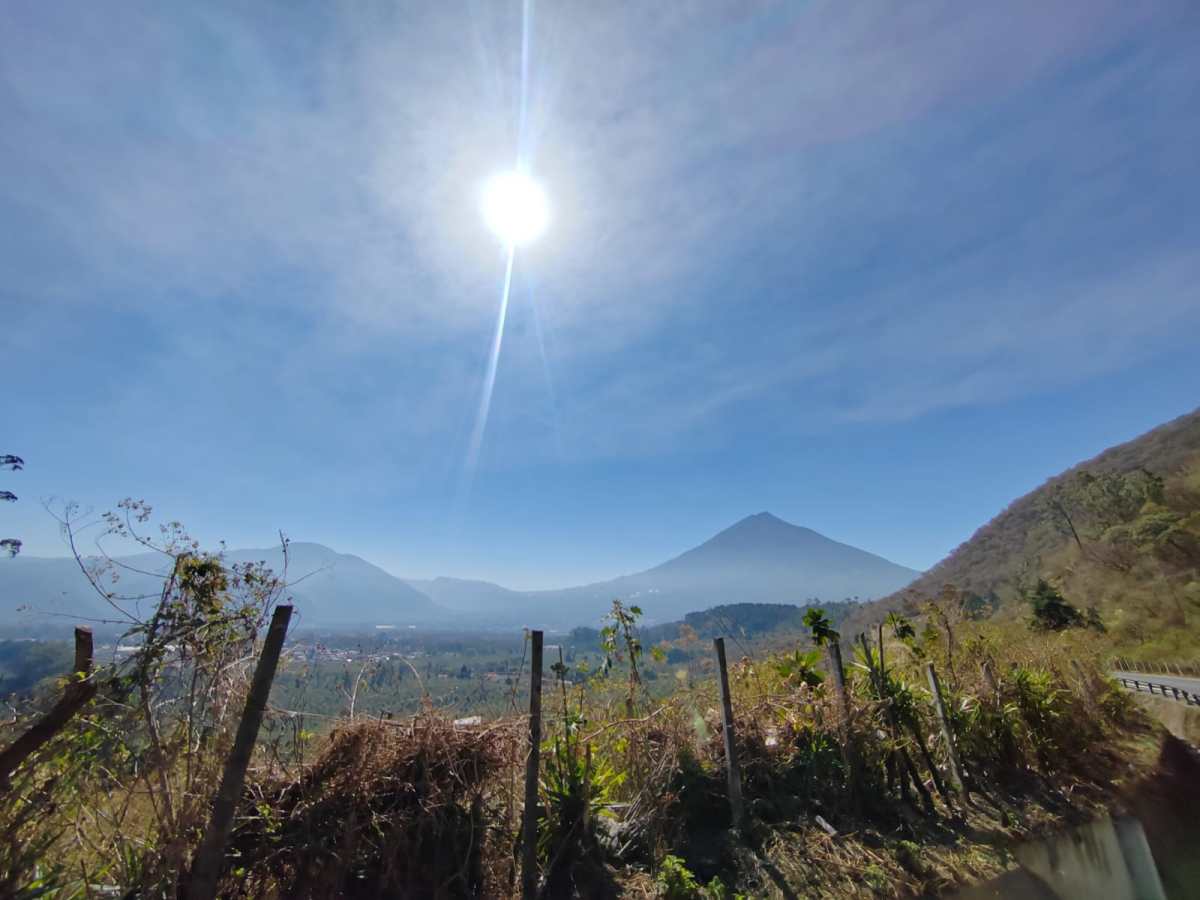
Guatemala is bracing for a harsh shift in its climate as the El Niño phenomenon is predicted to bring severe drought, extreme heat, and significant agricultural damage from July onwards. This follows an unusual period of heavy rainfall and high river levels earlier in the year, attributed to La Niña.
Alex Guerra, director of the Private Institute for Climate Change Research (ICC), warns that the dry season, typically from December to March, saw unseasonal rains, even in traditionally dry months like March. This atypical pattern, influenced by La Niña and cold fronts, led to elevated river flows, especially along the south coast.
The concern is that from July onwards, the effects of El Niño will begin to be seen, with a stronger and more prolonged canícula.
The primary concern now is the transition to El Niño, which typically causes the opposite effect: reduced rainfall and increased temperatures. Guerra anticipates a more intense and prolonged 'canícula' (dry spell) in July and August, leading to scarce rainfall for the remainder of the rainy season. This will be coupled with hotter days and nights due to less cloud cover.
The agricultural sector, particularly in the 'dry corridor,' faces the most severe impact. This region's reliance on rainfall for subsistence crops means that reduced precipitation could lead to widespread crop failure and threaten food security for numerous families. Furthermore, the projected rise in temperatures escalates the risk of devastating forest fires. The potential long-term effects on water resources are also a concern, with a possible impact on rivers, lakes, and wells in 2027 following reduced rainfall in 2026.
The dry corridor is the one that gets the worst part.
DistantNews Editorial
Originally published by Prensa Libre in Spanish. Translated, summarized, and contextualized by our editorial team with added local perspective. Read our editorial standards.
More Stories

From Our Blog

What Gets Lost (and Found) When News Is Translated

The Critical Role of Diaspora Media in Global News

What Travellers Should Know About Countries with Restricted Press

A Digital Nomad's Guide to Following Local News

How the Same Story Looks Different in Different Countries
