


Election defeat forces leaders of both South Korean parties to consider resignation
Translated from Korean, summarized and contextualized by DistantNews.
At a glance
Analysis
Sources not specified
Outcome reported
- Both the Democratic Party and the People Power Party face internal pressure for their leaders to resign following a significant election defeat.
- The Democratic Party won fewer seats than expected, losing key mayoral races and local government positions, with the article attributing the poor performance to President Lee Jae-myung's policies and controversies.
- The People Power Party's leader also faces immediate resignation pressure after the party's overall loss, with no clear support for his continued leadership.
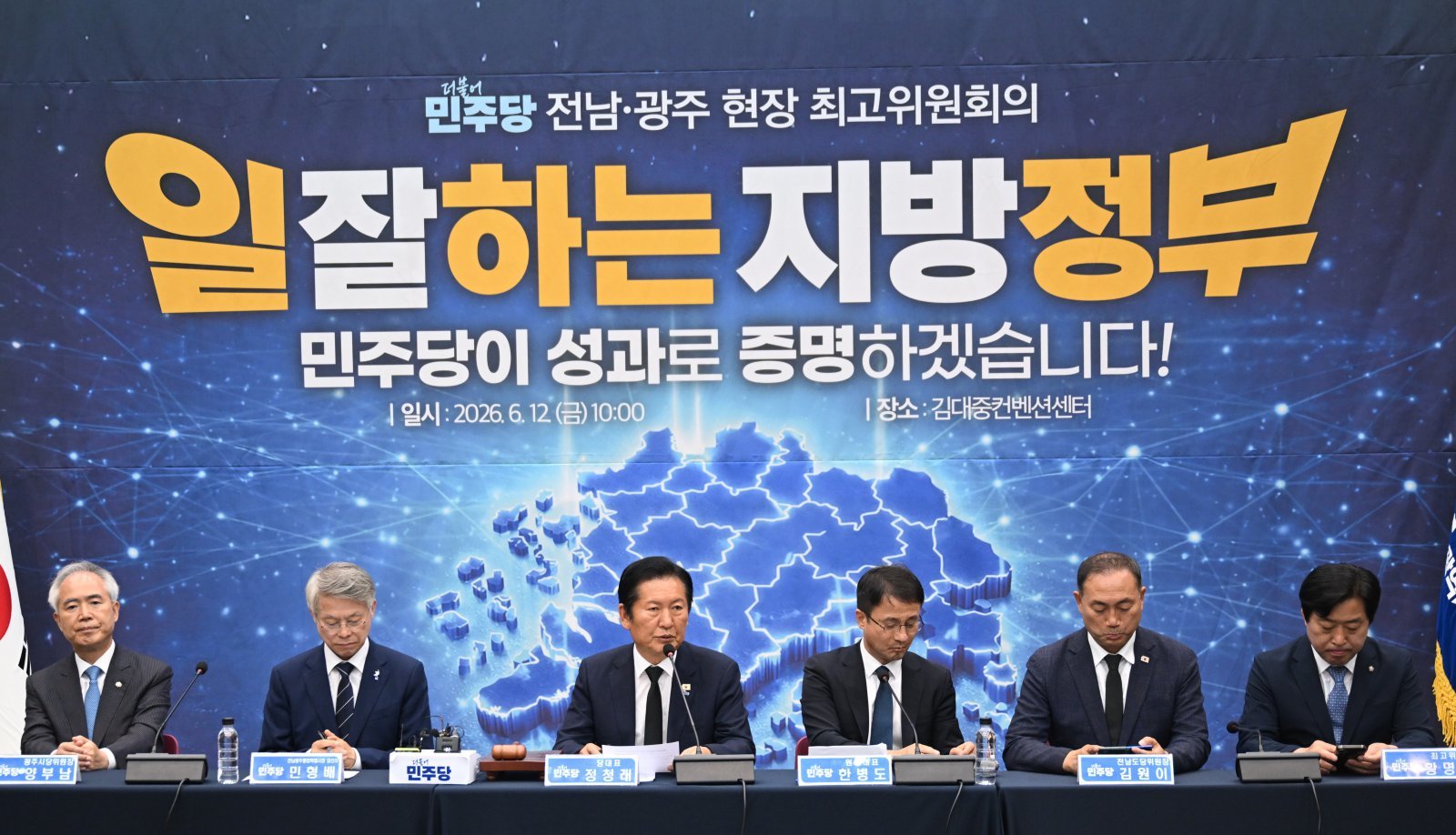
South Korea's major political parties are grappling with internal turmoil after a decisive election loss, leading to calls for the resignation of both the Democratic Party leader, Chung Sye-kyun, and the People Power Party leader, Jang Dong-hyuk.
The election results are characterized as a loss for both sides. The Democratic Party, which had aimed for a landslide victory, secured only 12 out of 16 seats, falling short of its target and losing crucial mayoral races in Seoul, Daegu, and Gyeongnam, as well as several mayoralties in Gyeonggi Province. The article attributes this underperformance to President Lee Jae-myung's policies and controversies surrounding his legal challenges, viewing the election as a midterm assessment of his administration.
President Lee acknowledged the results as a "warning from the people" and apologized, but the political responsibility is seen to fall on the ruling party's leader. Chung Sye-kyun faces pressure to abandon his bid for re-election, with three main reasons cited: the convention of the ruling party leader taking responsibility for election defeats, the need to avoid a "Lee-Chung" conflict that could burden both President Lee and the party, and the general practice of Democratic Party leaders not serving consecutive terms.
Meanwhile, Jang Dong-hyuk of the People Power Party has no clear justification for remaining in his position. Media outlets and party officials have widely called for his resignation to rebuild the party. The article suggests that if Jang were to remain, it would create significant internal divisions and hinder the party's efforts to recover from the electoral setback.
DistantNews Editorial
Originally published by Hankyoreh in Korean. Translated, summarized, and contextualized by our editorial team with added local perspective. Read our editorial standards.
More Stories


From Our Blog

What Gets Lost (and Found) When News Is Translated

The Critical Role of Diaspora Media in Global News

What Travellers Should Know About Countries with Restricted Press

A Digital Nomad's Guide to Following Local News

How the Same Story Looks Different in Different Countries
