

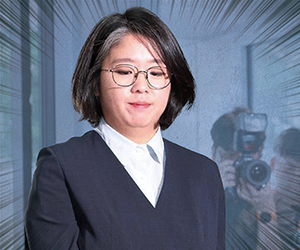

Election Fraud Conspiracy Theorist Mossad Fuels Unrest in South Korea
Translated from Korean and summarized by DistantNews. Read the original for the full story.
At a glance
News
Sources not specified
Context piece
- Controversial American professor Mossad, who promotes election fraud conspiracy theories, is actively meeting with South Korean political figures and YouTubers, reigniting debate about alleged election rigging.
- Mossad's visit has led to a surge of unverified claims and 'tips' about election irregularities on online communities, which are then amplified by politicians and influencers.
- Experts warn that these conspiracy theories undermine faith in the electoral system, which is fundamental to democracy, and that political actors are exploiting these narratives to challenge the legitimacy of opposing forces.
Mossad, an American professor at Liberty University known for promoting election fraud conspiracy theories, is actively engaging with prominent South Korean figures, including Hwang Kyo-ahn, a candidate for the Free and Innovative Party, and YouTuber Jeon Han-gil, a former Korean history instructor. These meetings are fueling renewed discussions and allegations of election rigging across online platforms.
Since arriving in South Korea on May 28th, Mossad, who uses the Korean name Dan Hyun-myung, has been meeting with individuals who share similar claims about election fraud. He visited Hwang Kyo-ahn's campaign office and met with Pastor Jeon Kwang-hoon of Sarang Jeil Church. Mossad also visited a postal sorting center in Seongnam on May 30th, intending to inspect ballot papers for the upcoming June 3rd local elections. He is currently under police investigation for defamation related to claims about Lee Jae-myung's involvement in serious crimes but has not yet responded to police summons.
Online communities and KakaoTalk chat rooms dedicated to election fraud theories are buzzing with Mossad's activities. Participants are encouraged to join an "investigation team" and share unverified "tips." These include allegations of double voting, based on photos of voters with their eyes obscured, and discrepancies between hand-counted ballots and official tallies. Hwang Kyo-ahn has amplified these claims by posting them on his social media under the title "Examples of Suspected Irregularities in the June 3rd Local Elections."
Election fraud theories are being manufactured to undermine the legitimacy of opposing political forces, and a significant number of citizens are influenced by them.
The convergence of politicians, popular YouTubers, and their supporters is intensifying distrust in the electoral process. Some participants in these online forums are calling for aggressive protests, demanding the resignation of the National Election Commission and even advocating for the overthrow of the People Power Party, which they perceive as being too lenient on the election fraud issue. One post on an online community suggested that Mossad's visit indicates he has secured definitive evidence of election fraud.
Professor Kang Woo-jin of Kyungpook National University's Department of Political Science and International Relations expressed concern, stating, "Election fraud theories are being manufactured to undermine the legitimacy of opposing political forces, and a significant number of citizens are influenced by them." He added, "The most crucial foundation of democracy is consensus on the electoral system, and these conspiracy theories are shaking that very foundation."
The most crucial foundation of democracy is consensus on the electoral system, and these conspiracy theories are shaking that very foundation.
About this summary
Originally published by Hankyoreh in Korean. Translated, summarized, and contextualized automatically by DistantNews, with a note on how the source frames the story. Not individually reviewed before publishing. How this works.
More Stories


From Our Blog

News in Translation: What Gets Lost, and How We Keep the Framing

Diaspora Media: How Communities Abroad Follow Home

Traveling Where the Press Is Not Free: How to Read the News There

The Digital Nomad's Guide to Local News

The Same Story, Different Countries: How Coverage Changes at the Border
