


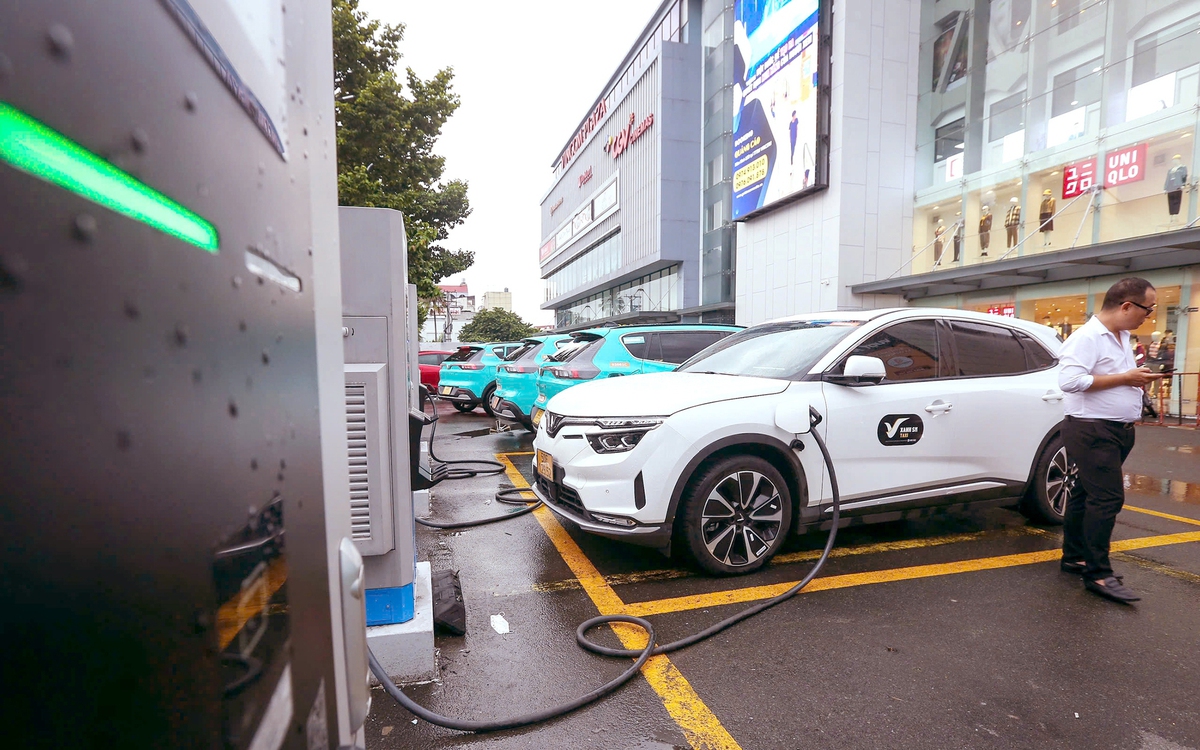
Electric Stoves, Vehicles Gain Traction Among Urban Vietnamese Consumers
Translated from Vietnamese, summarized and contextualized by DistantNews.
TLDR
- Vietnamese urban consumers are increasingly adopting electric stoves and vehicles, driven by convenience and rising fossil fuel costs.
- Experts highlight that increased electrification and renewable energy sources can reduce Vietnam's reliance on imported fossil fuels.
- Businesses are investing in clean energy infrastructure, signaling a shift towards modern, sustainable consumption patterns.
The shift towards electric appliances and vehicles in Vietnam, as reported by Tuổi Trẻ, reflects a growing consumer awareness and a strategic move towards energy independence. For urban dwellers like Ms. Kim Dung and Ms. Hong Nguyen, the switch to electric stoves is a practical response to the volatile and increasing prices of gas, prioritizing safety and cost-effectiveness.
Lúc đó tôi chỉ nghĩ đơn giản là đổi sang bếp điện để tránh cháy nổ. Nhưng bây giờ thì thấy càng tiện lợi vì không cần quan tâm giá gas gần đây tăng cao
This trend extends to transportation, with individuals like Phuong Anh opting for electric vehicles not just for environmental reasons but also due to the long-term economic benefits compared to the fluctuating costs of gasoline. The convenience of charging and the availability of promotions further sweeten the deal, indicating a maturing market that is becoming more accessible and appealing.
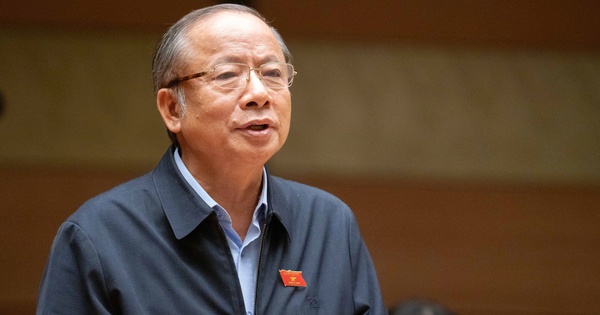
Dr. Nguyen Vinh Khuong's analysis underscores the global trend of electrification, with Vietnam actively participating. The increasing adoption of electric devices in households and businesses aligns with global ESG goals, aiming for sustainable development. The stability of electricity prices, especially with the growing share of renewable energy, offers a stark contrast to the volatility of oil prices, making electric solutions a more predictable and reliable choice for the future.
Lý do tôi muốn chuyển sang phương tiện chạy bằng điện là do lo ngại giá cả các loại nhiên liệu hóa thạch sẽ ngày càng tăng, khiến mỗi lần đổ xăng cho ô tô sẽ tốn một khoản lớn. Tôi không ngại thời gian đợi xe sạc điện bằng việc ngại tốn nhiều tiền xăng
This transition is particularly significant for Vietnam, a nation keen on reducing its dependence on imported fossil fuels. As highlighted by Ember Futures research, only a fraction of Vietnam's energy needs are met by electricity, presenting a vast opportunity for growth in electrification. The decreasing cost of electric two-wheelers compared to their gasoline counterparts makes this shift even more attainable for a broader segment of the population, potentially moving people from 'no transport' to 'electric transport'.
giá dầu nhạy cảm với các biến động tại Trung Đông càng làm nổi bật lên sự ổn định về giá cả trong dài hạn của điện, nhất là khi tỉ trọng năng lượng tái tạo trong cơ cấu nguồn điện ngày càng tăng.
DistantNews Editorial
Originally published by Tuổi Trẻ in Vietnamese. Translated, summarized, and contextualized by our editorial team with added local perspective. Read our editorial standards.
More Stories


From Our Blog

What Gets Lost (and Found) When News Is Translated

The Critical Role of Diaspora Media in Global News

What Travellers Should Know About Countries with Restricted Press

A Digital Nomad's Guide to Following Local News

How the Same Story Looks Different in Different Countries
