

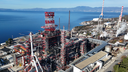

Electrification is Europe's new industrial revolution
Translated from Croatian, summarized and contextualized by DistantNews.
At a glance
Analysis
Sources not specified
Context piece
- Electrification is no longer just about energy transition and climate goals but is now a key factor in Europe's competitiveness and energy independence.
- While Europe has increased renewable energy sources, the critical next step is using this clean electricity in sectors currently reliant on oil and gas.
- This involves expanding the use of electric vehicles, heat pumps for homes, and electrifying industrial production.
Electrification has evolved beyond an environmental imperative to become a central pillar of Europe's economic competitiveness, industrial development, and energy security. Over the past decade, Europe has made significant strides in transitioning to cleaner energy, with renewable sources like solar, wind, and hydro now accounting for nearly half of its electricity generation.
However, achieving the energy transition's full potential hinges on the next crucial phase: effectively utilizing this abundant clean electricity in areas still dominated by fossil fuels. This means a substantial increase in the adoption of electric vehicles, the widespread use of heat pumps for residential heating, and the electrification of manufacturing processes across industries.
While the initial focus was on increasing the supply of clean energy, the current challenge lies in efficiently delivering this electricity to where it is needed most – powering cars, factories, buildings, and homes. The success of Europe's energy transition will ultimately be measured by its ability to integrate this clean power into all facets of its energy consumption, thereby reducing reliance on oil and gas and bolstering its energy independence.
DistantNews Editorial
Originally published by Večernji List in Croatian. Translated, summarized, and contextualized by our editorial team with added local perspective. Read our editorial standards.
More Stories



From Our Blog

What Gets Lost (and Found) When News Is Translated

The Critical Role of Diaspora Media in Global News

What Travellers Should Know About Countries with Restricted Press

A Digital Nomad's Guide to Following Local News

How the Same Story Looks Different in Different Countries
