

Emotional Intelligence: A Key Skill for the Future AI-Driven Job Market
Translated from Danish, summarized and contextualized by DistantNews.
At a glance
News
Sources not specified
New plan
- Emotional intelligence may become increasingly valuable in the future job market, according to research.
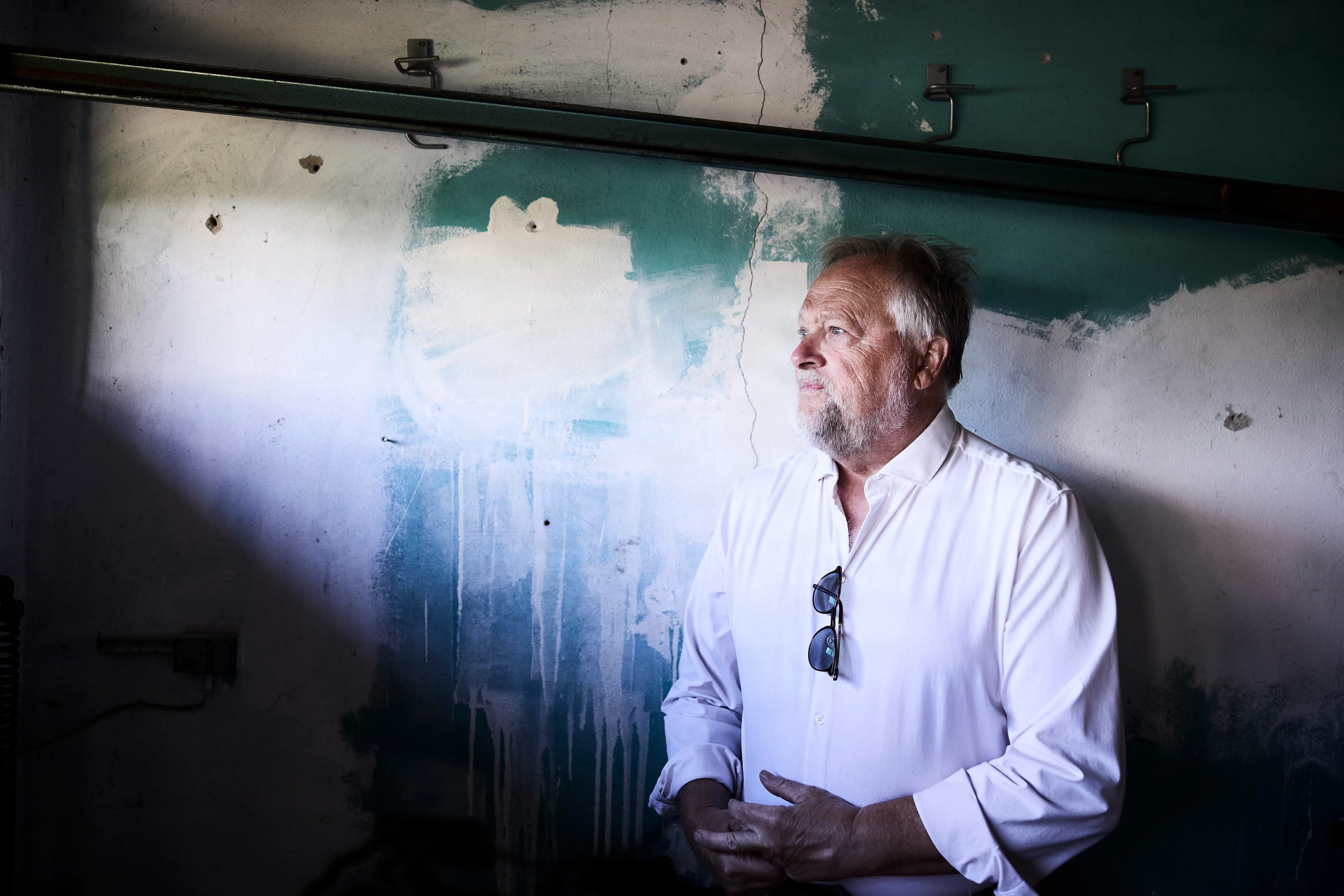
- Associate Professor Mogens Sparre has studied and taught the subject extensively.
- Sparre shares an exercise and seven signs that indicate a high level of emotional intelligence.
Emotional intelligence is emerging as a critical skill that could gain significant traction in the future workforce, suggests research. As artificial intelligence continues to advance, uniquely human capabilities like emotional intelligence may become even more prized.
Associate Professor Mogens Sparre, who has dedicated his research and teaching to understanding emotional intelligence, offers insights into its growing importance. His work focuses on identifying and cultivating the traits associated with this form of intelligence, which involves understanding and managing one's own emotions, as well as recognizing and influencing the emotions of others.
Sparre has outlined seven key indicators that signify a strong presence of emotional intelligence. He also provides a practical exercise designed to help individuals assess and potentially enhance their own emotional intelligence. These insights aim to equip individuals with the understanding and tools necessary to navigate an increasingly complex and interconnected professional landscape, where interpersonal skills are paramount.
DistantNews Editorial
Originally published by Berlingske in Danish. Translated, summarized, and contextualized by our editorial team with added local perspective. Read our editorial standards.
More Stories

From Our Blog

What Gets Lost (and Found) When News Is Translated

The Critical Role of Diaspora Media in Global News

What Travellers Should Know About Countries with Restricted Press

A Digital Nomad's Guide to Following Local News

How the Same Story Looks Different in Different Countries
