

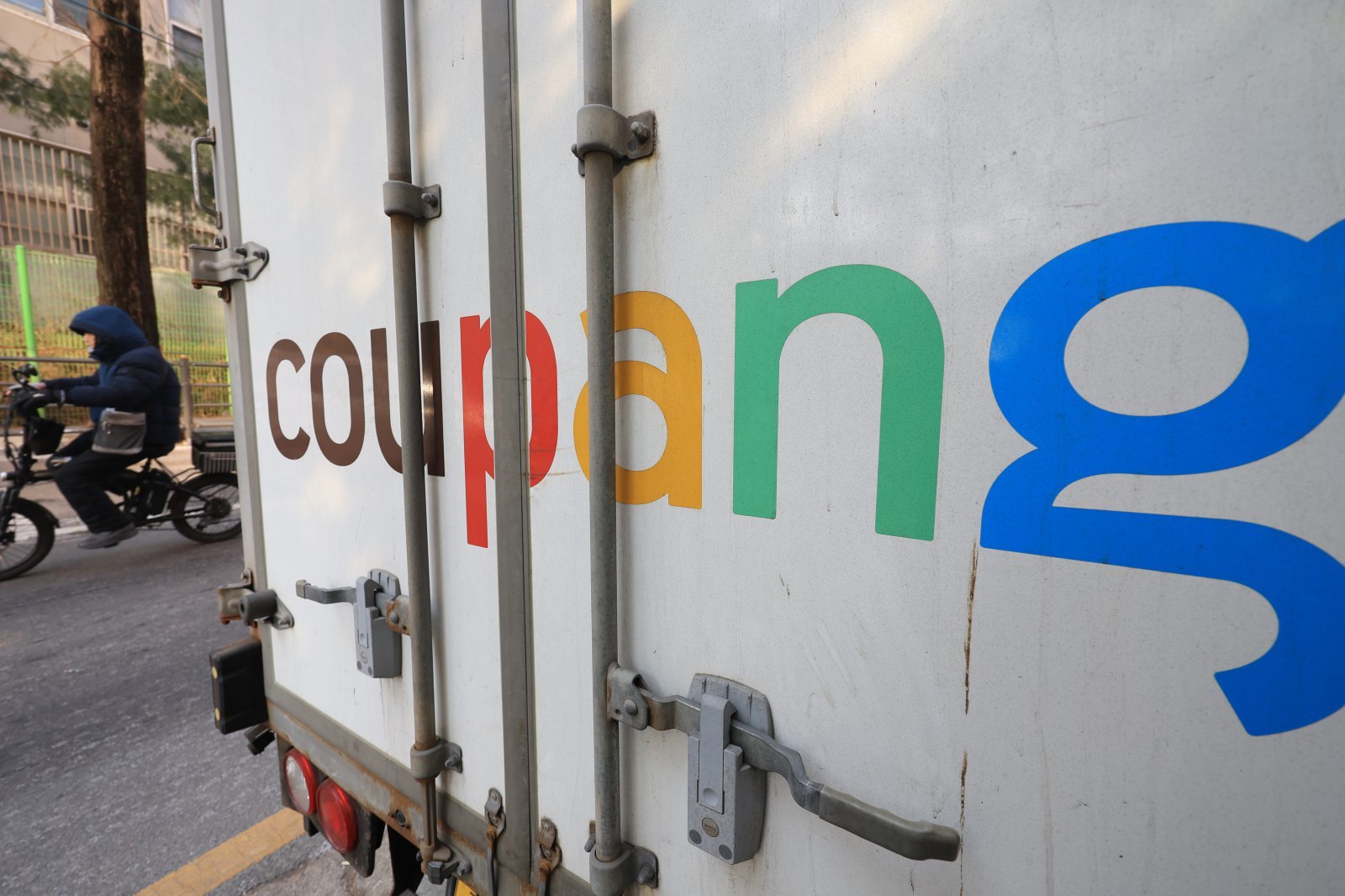

Employment elasticity hits 8-year low, signaling jobless growth despite semiconductor boom
Translated from Korean, summarized and contextualized by DistantNews.
At a glance
News
Named sources
Context piece
- South Korea's "employment elasticity" is projected to hit an eight-year low this year, indicating a weak job market relative to economic growth.
- Employment elasticity measures the ratio of employment growth to economic growth; a lower number signifies fewer jobs created per unit of economic expansion.
- Despite a booming semiconductor industry, the overall job market is struggling, with the Korea Development Institute (KDI) forecasting only 170,000 new jobs this year, a 0.6% increase from last year.
South Korea's employment elasticity is expected to fall to its lowest point in eight years, signaling a significant disconnect between economic growth and job creation. This metric, which measures the rate of job growth relative to economic expansion, indicates that businesses are not hiring proportionally to the country's economic output.
The projection comes despite a booming semiconductor sector, a key driver of the South Korean economy. The Korea Development Institute (KDI) has forecast that only 170,000 new jobs will be created this year. This represents a mere 0.6% increase compared to the 28.77 million employed individuals last year, highlighting a trend of "jobless growth."
This slowdown in hiring is a concern for policymakers and the public alike. A low employment elasticity suggests that even when the economy expands, the benefits are not translating into widespread employment opportunities. This can lead to increased economic inequality and social challenges, as a larger portion of the economic gains may be concentrated among a smaller segment of the workforce or in capital-intensive industries rather than labor-intensive ones.
DistantNews Editorial
Originally published by Chosun Ilbo in Korean. Translated, summarized, and contextualized by our editorial team with added local perspective. Read our editorial standards.
More Stories

From Our Blog

What Gets Lost (and Found) When News Is Translated

The Critical Role of Diaspora Media in Global News

What Travellers Should Know About Countries with Restricted Press

A Digital Nomad's Guide to Following Local News

How the Same Story Looks Different in Different Countries
