

Empty talk and virtual governance
Translated from Hungarian, summarized and contextualized by DistantNews.
At a glance
Analysis
Sources not specified
Outcome reported
- A controversy erupted over the appointments and subsequent dismissals of Hajdú Gábor and Borsa Miklós at MTVA, Hungary's public media company.
- The appointments, announced on August 3, 2026, were quickly reversed after public criticism, including a comment from Péter Magyar.
- The article also touches on Magyar's silence regarding the presidential nomination of Baka András and criticizes the government's communication strategy.
A recent scandal involving the appointments and swift dismissals of Hajdú Gábor and Borsa Miklós at Hungary's public media company, MTVA, has highlighted a perceived disconnect between the government and public sentiment. Hajdú was appointed editor-in-chief of M1 Híradó, and Borsa was slated to be a presenter, with the appointments announced on August 3, 2026.
The appointments of Hajdú Gábor and Borsa Miklós to the public media company, and their subsequent dismissals, have clearly not bothered the prime minister much.
The decisions quickly drew public scrutiny, notably from Péter Magyar, who commented "I don't think so..." on a social media post about the appointments. This reaction, coupled with broader criticism, prompted MTVA to retract the appointments the following day. MTVA announced via its social media channels that the mandates for Hajdú Gábor and Borsa Miklós were revoked by the public media leadership.
The Tisza government works even in the greatest heat.
The article suggests Prime Minister Viktor Orbán may have even welcomed the attention, drawing parallels to Zsa Zsa Gabor. It also critiques Magyar's strategic silence on other political matters, such as the presidential nomination of Baka András. Rétvári Bence, faction leader of KDNP, noted Magyar's unusual lack of response in parliament, calling it unprecedented.
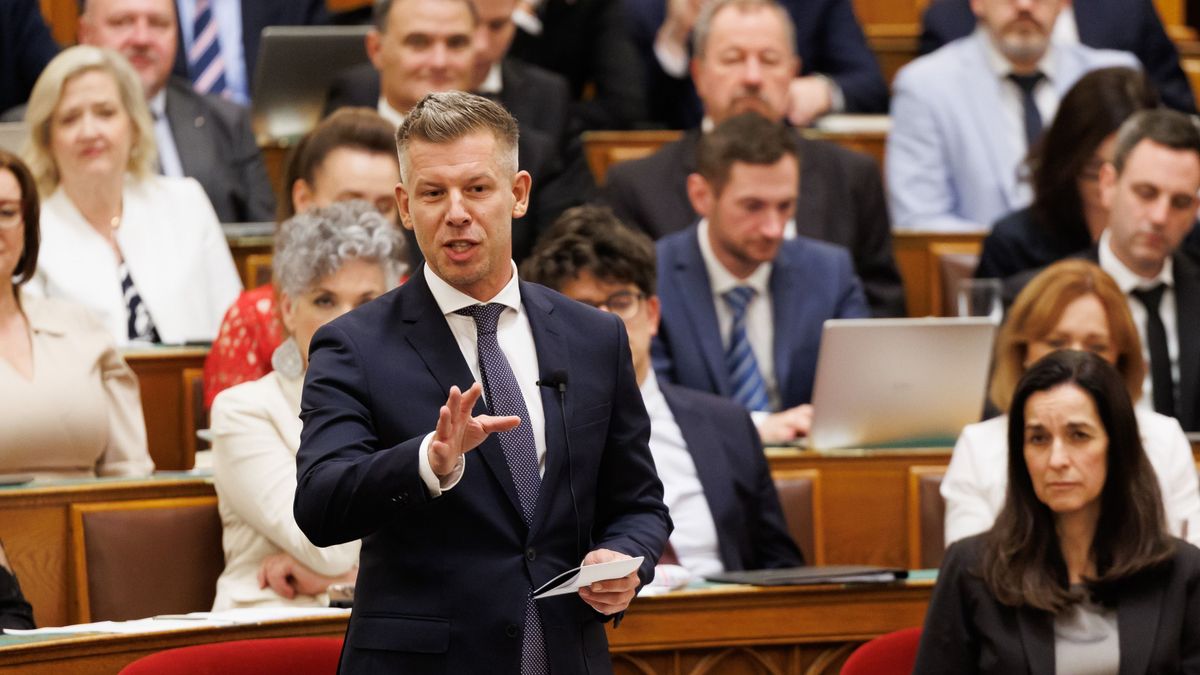
Magyar Péter knows how to speak, but he also knows what not to talk about.
Magyar's silence on the Baka András nomination is interpreted as politically calculated, given the lack of promised public consultation and increasing criticism from within his own party. The piece concludes by referencing a comment about a "comment-educated generation" that forms opinions based on online commentary, suggesting Magyar and his Tisza party are attempting to appeal to this demographic, but warns that inciting this group could lead to unmanageable situations requiring more than just rhetoric to calm.
Today something happened in parliament that has never happened before. Magyar Péter did not respond to my address before the agenda. He always gave long litanies on any topic that came up, but now he was speechless.
DistantNews Editorial
Originally published by Magyar Nemzet in Hungarian. Translated, summarized, and contextualized by our editorial team with added local perspective. Read our editorial standards.
More Stories


From Our Blog

Countries Without a Free Press: What You Need to Know

What Press Freedom Means for the News You Read

What Gets Lost (and Found) When News Is Translated

The Critical Role of Diaspora Media in Global News

What Travellers Should Know About Countries with Restricted Press
