


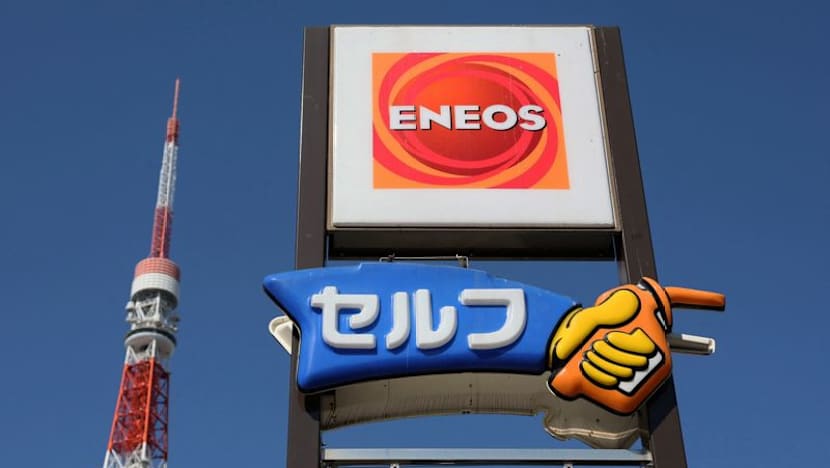
Eneos Secures Crude Oil Supplies Through September Amid Iran Conflict, Eyes Diversification
Translated from English, summarized and contextualized by DistantNews.
At a glance
News
Sources not specified
Context piece
- Japan's largest oil refiner, Eneos, has secured sufficient crude oil supplies through September after disruptions from the Iran war.
- The company replaced lost volumes mainly with U.S. crude and secured Middle Eastern supplies via alternative routes, bypassing the Strait of Hormuz.
- Eneos plans to diversify crude procurement in the medium to long term, balancing energy security with economic viability.
Eneos Holdings, Japan's largest oil refiner, has stabilized its crude oil procurement and secured adequate supplies through September, following disruptions caused by the conflict in Iran. Soichiro Tanaka, Eneos' Chief Financial Officer, stated in an interview that the supply situation has significantly improved.
The conflict, which involved the U.S. and Israel against Iran, highlighted the vulnerability of the Strait of Hormuz, a critical waterway for global oil trade. Japan, which historically imports a large percentage of its crude from the Middle East, was particularly exposed to these regional disruptions. Eneos has mitigated these issues primarily by sourcing U.S. crude and securing Middle Eastern supplies through routes that avoid the Strait of Hormuz. Smaller volumes have also been procured from Azerbaijan.
We have a good outlook for supplies through September. The situation has become much more stable.
Tanaka indicated that this disruption is likely to prompt discussions on diversifying crude oil sources, in cooperation with the Japanese government. He believes that reducing dependence on the Middle East over the medium to long term is essential for risk hedging and national energy security. However, he stressed the importance of balancing these security concerns with economic feasibility.
From the perspectives of risk hedging and national energy security, there is no doubt that reducing dependence on the Middle East over the medium to long term would be preferable.
"We will explore how we can diversify our supply sources over the medium to long term while working with the government to ensure it is economically viable," Tanaka said. He noted that Japan has maintained stable oil supplies due to established relationships with producing countries, government support, and substantial strategic petroleum reserves.
Despite securing supplies, the disruption has impacted refinery operations. Eneos' refinery utilization rate fell to 81% in the January-March period, down from an estimated 86% had the conflict not occurred. Utilization rates in the April-June period also fell short of the company's initial plans. Eneos aims to increase its refinery utilization rate to 90% by fiscal year 2027, though prolonged instability in the Middle East could pose challenges. The financial impact on earnings has been limited, as higher overseas petroleum product prices partially offset the losses from reduced refinery runs.
We will explore how we can diversify our supply sources over the medium to long term while working with the government to ensure it is economically viable.
DistantNews Editorial
Originally published by CNA in English. Translated, summarized, and contextualized by our editorial team with added local perspective. Read our editorial standards.
More Stories
From Our Blog

What Gets Lost (and Found) When News Is Translated

The Critical Role of Diaspora Media in Global News

What Travellers Should Know About Countries with Restricted Press

A Digital Nomad's Guide to Following Local News

How the Same Story Looks Different in Different Countries
