


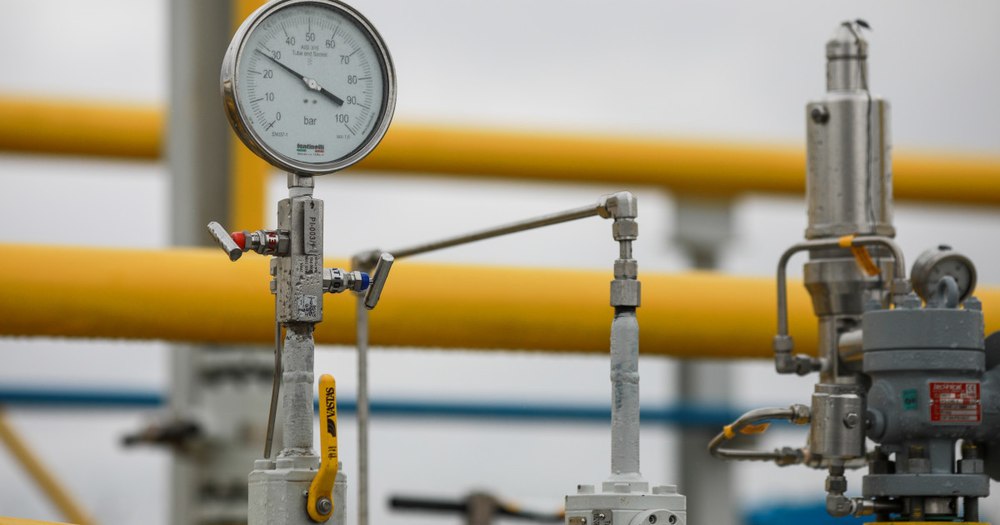
Energy expert's scenarios for winter 2026-2027: Gas prices to rise, impacting electricity bills
Translated from Romanian, summarized and contextualized by DistantNews.
At a glance
News
Sources not specified
Context piece
- Romania faces a tense gas market in the 2026-2027 winter season, not necessarily a crisis, according to energy expert Dumitru Chisăliţă.
- Factors contributing to potential tension include forecasts of a harsher winter, rising international gas prices on indices like TTF, and lower global gas storage levels.
- Electricity bills are expected to increase by 3-20% as suppliers adjust prices to cover past costs and future risks, influenced by market volatility and previous energy crises.
Romania could face a more challenging gas market in the winter of 2026-2027, though not necessarily a full-blown crisis, predicts Dumitru Chisăliţă, president of the Intelligent Energy Association (AEI).
It won't necessarily be a crisis, but a more tense situation than last winter, for three 'perspectives'.
Chisăliţă cited three main reasons for the anticipated market tension. Firstly, forecasts suggest the upcoming winter might be harsher than the 2025-2026 period. Secondly, international gas prices, particularly on the TTF benchmark, show an upward trend compared to the previous winter. Thirdly, global and European gas storage levels are significantly lower than in past years. These elements combined could lead to a tougher winter and higher prices.
All these elements could lead to a tougher winter than the last one, respectively a greater risk and higher prices.
The energy specialist also anticipates an increase in electricity bills as suppliers issue new offers to consumers. Following the market liberalization in August last year, most one-year contracts are expiring. Many electricity suppliers are now factoring in the past year's volatile market conditions. Romania experienced the second-highest day-ahead market (PZU) prices in Europe after Italy in the last six months, imposing costs on companies that typically offer fixed prices to cover risks.
The costs are recovered the following year from the price offers.
These accumulated costs, along with the unprecedented crisis in the energy system, are being passed on by suppliers. Furthermore, companies are adopting a more cautious approach, including risk premiums in their future offers to hedge against similar situations. Chisăliţă estimates that prices could rise between 3% and 20%, depending on the specific scenario for the August 2026 to July 2027 period.
Companies come with risk premiums that cover potential similar situations that might happen next year.
DistantNews Editorial
Originally published by Adevărul in Romanian. Translated, summarized, and contextualized by our editorial team with added local perspective. Read our editorial standards.
More Stories


From Our Blog

What Gets Lost (and Found) When News Is Translated

The Critical Role of Diaspora Media in Global News

What Travellers Should Know About Countries with Restricted Press

A Digital Nomad's Guide to Following Local News

How the Same Story Looks Different in Different Countries
