


Energy theft, obsolete infrastructure deepen Nigeria’s electricity crisis- Expert
Summarized by DistantNews. Read the original for the full story.
At a glance
News
Named sources
Context piece
- Energy theft and obsolete infrastructure are causing massive revenue losses in Nigeria's electricity sector, according to an expert.
- Theft occurs at consumer and institutional levels, including meter bypass, illegal connections, and inaccurate billing.
- Poor investment and financial capacity among distribution companies contribute to deteriorating infrastructure and prolonged transformer faults.
Nigeria's electricity sector is grappling with substantial revenue losses, primarily driven by widespread energy theft and outdated infrastructure, according to Kunle Olubiyo, President of the Nigeria Consumer Protection Network.
Olubiyo detailed how energy theft manifests at both consumer and institutional levels. At the consumer end, this includes bypassing meters, establishing illegal connections, and exploiting estimated billing systems to consume power without payment. "Whether through metre bypass or illegal connection, many customers are using electricity for free. That is energy theft," he stated.
Whether through metre bypass or illegal connection, many customers are using electricity for free. That is energy theft.
Furthermore, Olubiyo alleged that institutional energy theft occurs through defective, obsolete, or improperly configured meters used in monitoring generation and distribution. He cited instances where wholesale meters at critical interfaces between generation, transmission, and distribution companies provide inaccurate readings, potentially leading to inflated subsidy claims. "If 4,000 megawatts is generated and 7,000 megawatts is recorded, that is energy theft because the excess energy does not get to consumers," he explained.
If 4,000 megawatts is generated and 7,000 megawatts is recorded, that is energy theft because the excess energy does not get to consumers.
The expert also pointed to alleged exploitation of maintenance and repair contracts, with inflated sums and potential collusion with vandals. Contracts that should cost millions of naira are sometimes awarded for billions, creating a chain of beneficiaries when infrastructure like transmission towers collapses. Compounding these issues is poor investment and a lack of financial capacity among some electricity distribution companies (DisCos), leading to deteriorating infrastructure nationwide. Olubiyo noted that transformers can remain faulty for years due to DisCos' alleged inability to fund replacements or repairs, sometimes requiring community contributions or state government intervention.
Additionally, Olubiyo warned that illegal and unsafe connections pose serious safety risks to both electricity workers and consumers, highlighting the dangers associated with unauthorized and improperly installed power infrastructure.
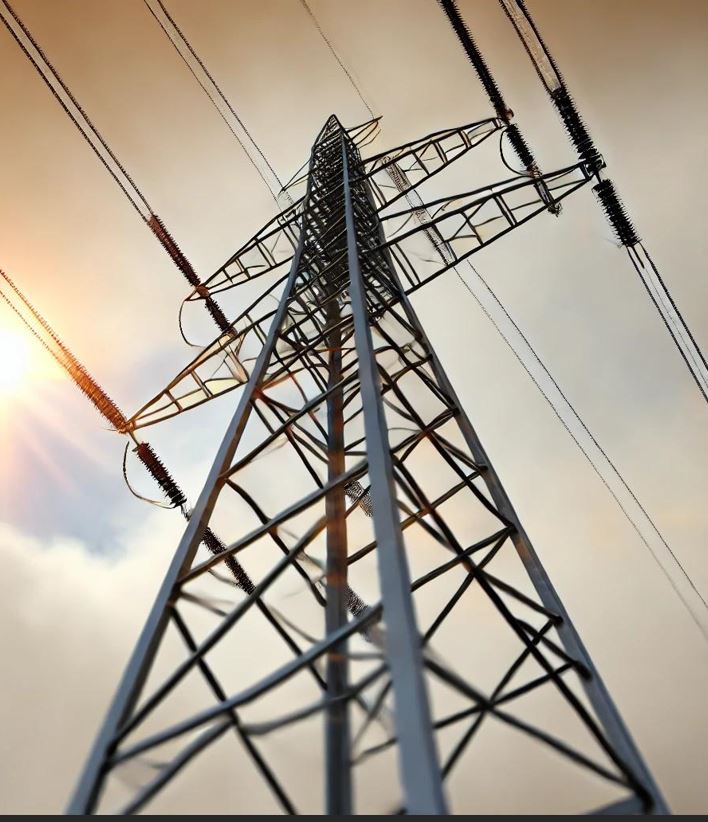
When transmission towers collapse, or infrastructure is vandalised, there is often a chain of beneficiaries from the repair contracts.
About this summary
Originally published by The Punch. Summarized and contextualized automatically by DistantNews, with a note on how the source frames the story. Not individually reviewed before publishing. How this works.
More Stories


From Our Blog

The Same Story, Different Countries: How Coverage Changes at the Border

News in Translation: What Gets Lost, and How We Keep the Framing

Diaspora Media: How Communities Abroad Follow Home

Traveling Where the Press Is Not Free: How to Read the News There

The Digital Nomad's Guide to Local News
