


England and Wales in Drought as July Set to Be Driest on Record
Translated from English, summarized and contextualized by DistantNews.
At a glance
News
Named sources
Ongoing story
- England and Wales are officially in drought, with July set to be the driest month on record due to persistent heatwaves.
- Record-low rainfall has led to shrinking rivers, exposed reservoirs, and widespread dry grasslands, impacting agriculture and wildlife.
- The Met Office predicts hotter, drier summers due to the climate crisis, necessitating urgent adaptation and mitigation strategies.
England and Wales are officially experiencing drought conditions, with July poised to become the driest month on record as relentless heatwaves intensify across the UK and Europe. This marks the third drought declaration in five years, following four record-breaking heatwaves since May that have fueled massive wildfires.
The Environment Agency and Natural Resources Wales announced the drought status this week, highlighting the severe impact on the landscape. England has received only 7% of its average July rainfall, while southern England has seen just 1%. This deficit has visibly damaged greenery in parks, protected areas, and sports fields. Rivers and lakes are shrinking, with the Thames at Reading recording its lowest-ever level. A stone bridge dating to around 1800 at the Llwyn-onn reservoir in Wales has been exposed by the receding water.
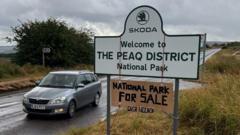
While water companies do not currently anticipate a threat to drinking water supplies due to high reservoir levels from winter rainfall, approximately 23 million people in England and Wales are subject to hosepipe bans. The visible consequences are stark: vast areas of grassland have turned brown and dry. The Met Office forecasts that the climate crisis will lead to UK summers being 1C-6C hotter and up to 60% drier by 2070 compared to 1990 levels.
Climate scientist Dr. Chloe Brimicombe of the University of Oxford stressed the urgent need for both adaptation and mitigation measures. "This summer has been a compounding of dry weather," she stated, linking the conditions to droughts, heatwaves, and wildfires. "It is a strong indication that we need better long-term planning. Climate change is not a future problem; it’s a challenge for right now."
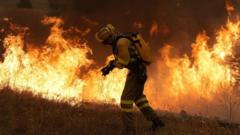
The UK and Europe are experiencing increasingly frequent "whiplash" weather patterns, with intense heatwaves drying out vegetation and creating ideal conditions for fires. Firefighters responded to 393 wildfires across England and Wales in July, making it the busiest month on record and straining resources. Hundreds of people have been evacuated due to fire threats, a significant increase from previous years. The dry weather has also revealed historical features, such as a 17th-century garden design at Chatsworth House and fires in the Scottish Highlands.
This summer has been a compounding of dry weather, leading to droughts and hot weather and high temperatures leading to heatwaves with these conditions also leading to wildfires. It is a strong indication that we need better long-term planning. Climate change is not a future problem; it’s a challenge for right now.
DistantNews Editorial
Originally published by The Guardian in English. Translated, summarized, and contextualized by our editorial team with added local perspective. Read our editorial standards.
More Stories

From Our Blog

What Gets Lost (and Found) When News Is Translated

The Critical Role of Diaspora Media in Global News

What Travellers Should Know About Countries with Restricted Press

A Digital Nomad's Guide to Following Local News

How the Same Story Looks Different in Different Countries
