

‘Enough is enough’: MQM-P leaders, Shahid Khaqan back creation of new administrative units
Summarized and contextualized by DistantNews.
At a glance
News
Named sources
Context piece
- Former premier Shahid Khaqan Abbasi and MQM-P leaders Dr. Farooq Sattar and Khalid Maqbool Siddiqui support creating new administrative units in Pakistan.
- They argue that rapid population growth necessitates additional units for effective governance and service delivery.
- The leaders believe this reform is crucial for Pakistan's economic progress, political stability, and international standing.
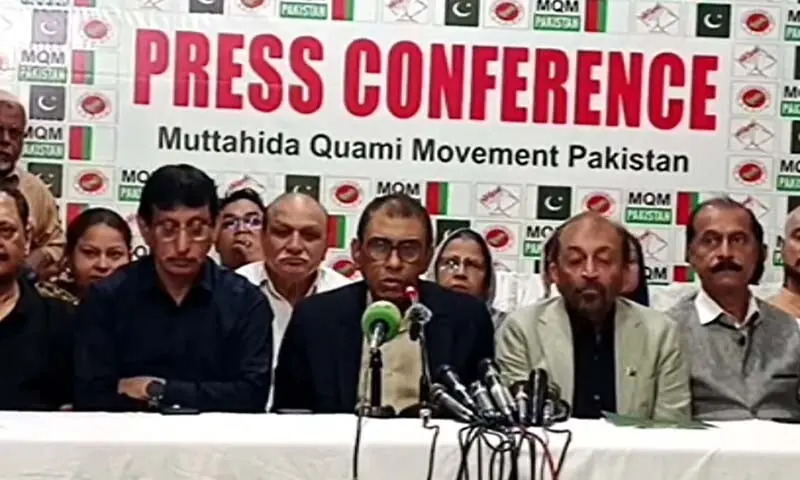
Former Pakistani Prime Minister Shahid Khaqan Abbasi and leaders from the Muttahida Qaumi Movement-Pakistan (MQM-P), Dr. Farooq Sattar and Khalid Maqbool Siddiqui, have publicly backed the creation of additional administrative units within the country. Their support aligns with recent calls from figures like Interior Minister Mohsin Naqvi, who urged political parties to address the issue of new provinces or administrative divisions.
No country in the world has seen population growth as fast as ours. We need to manage and administer that, but how will we do that without additional administrative units?
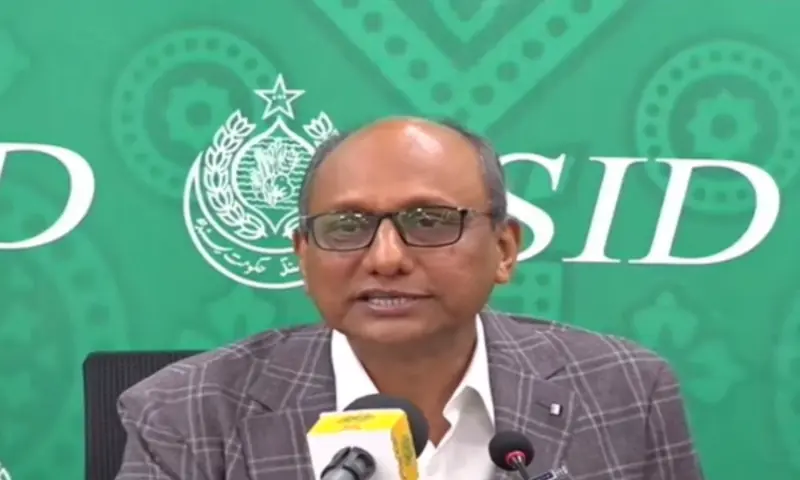
Speaking at a press conference in Karachi, Dr. Sattar emphasized that Pakistan's rapid population growth makes additional administrative units essential for proper governance. He questioned how the country could manage its expanding population and ensure effective service delivery without restructuring its administrative framework. "No country in the world has seen population growth as fast as ours," Sattar stated, adding, "We need to manage and administer that, but how will we do that without additional administrative units?"
Two things have become clear: we need administrative units. Enough is enough. The ad-hocism we have seen for around 80 years must end.
Sattar declared, "Enough is enough," calling for an end to the "ad-hocism" seen for decades. He praised Naqvi's proposed administrative framework, suggesting it offers a clear path forward. Sattar linked Pakistan's economic health directly to its political and administrative structure, advocating for "curative treatment, not symptomatic treatment." He also stressed the importance of involving Gen-Z in the country's political, economic, and social landscape, noting that the current system is perceived as infertile and unable to ensure prosperity or national consensus.
Pakistan’s economy is tied to its political and administrative structure. We need curative treatment, not symptomatic treatment.
Education Minister Khalid Maqbool Siddiqui, also present, noted that the discussion originated from an economic summit. He addressed the historical context of administrative units, referencing the "One Unit" scheme and the subsequent restructuring of provinces. Siddiqui asserted that the issue of administrative unit limits has not been a historical barrier and that discussing them is not taboo. He implied that the current structure is insufficient for Pakistan to progress and engage with the world, including international bodies like the IMF, on equal footing.
This issue of the limits of administrative units never existed, nor was it part of Pakistan’s politics. Are these [units] so sacred that we cannot talk about them?
DistantNews Editorial
Originally published by Dawn. Summarized and contextualized by our editorial team with added local perspective. Read our editorial standards.
More Stories

From Our Blog

What Gets Lost (and Found) When News Is Translated

The Critical Role of Diaspora Media in Global News

What Travellers Should Know About Countries with Restricted Press

A Digital Nomad's Guide to Following Local News

How the Same Story Looks Different in Different Countries
