


Epidemiologist explains potential false positive in FDA's cyclospora test on lettuce
Translated from English, summarized and contextualized by DistantNews.
At a glance
News
Sources not specified
Context piece
- An epidemiologist explained how a FDA test on a lettuce sample might have produced a false positive for cyclospora.
- The FDA stated on Sunday that its investigation pointed to shredded iceberg lettuce from central Mexico.
- The FDA confirmed on Monday that the investigation and data "continue to converge on shredded iceberg lettuce from Taylor Farms locations in central Mexico."
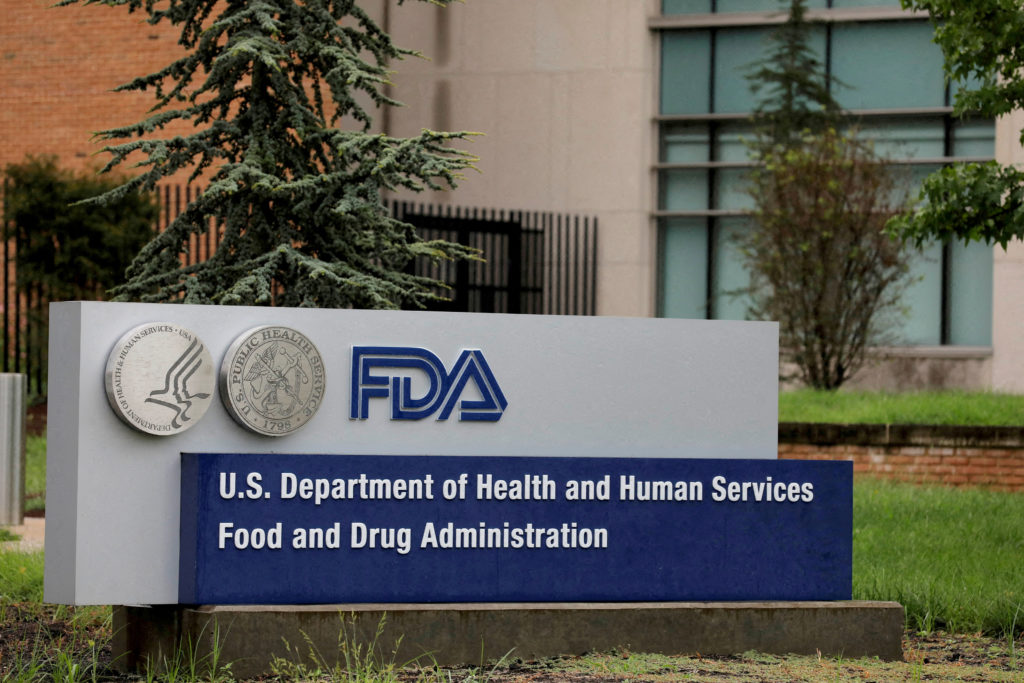
Epidemiologist Ben Miller appeared on "The Daily Report" to discuss the potential for a false positive result in the U.S. Food and Drug Administration's (FDA) testing of a lettuce sample for cyclospora. The FDA had indicated on Sunday that its investigation was focusing on a specific product.
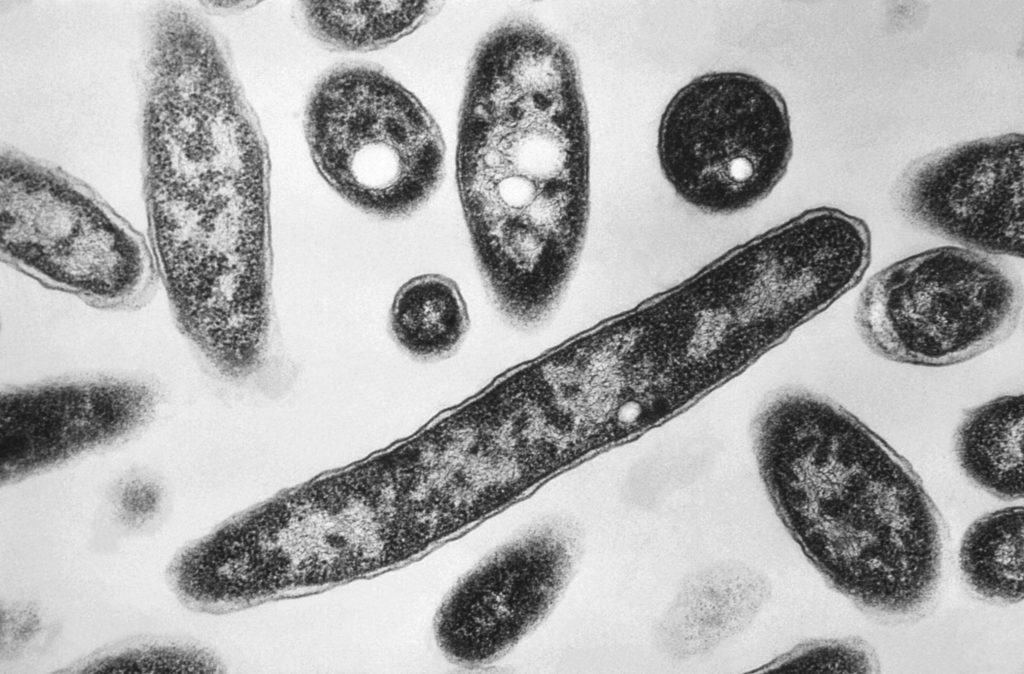
Miller explained the possible scientific reasons behind such a discrepancy. False positives can occur due to various factors in laboratory testing, including contamination of testing equipment, issues with the test kit itself, or the presence of substances that mimic the target pathogen.
On Monday, the FDA released a statement clarifying its findings. The agency indicated that its ongoing investigation and collected data were increasingly pointing towards shredded iceberg lettuce originating from Taylor Farms facilities located in central Mexico. This statement followed up on their initial announcement regarding the potential contamination.
The FDA's testing protocols are designed to ensure food safety, but complex biological and chemical analyses can sometimes yield inconclusive or incorrect results. The convergence of evidence on a specific product and origin suggests a targeted investigation to identify the source of any potential contamination and prevent further issues.
The FDA said Monday that its investigation and data "continue to converge on shredded iceberg lettuce from Taylor Farms locations in central Mexico."
DistantNews Editorial
Originally published by CBS News in English. Translated, summarized, and contextualized by our editorial team with added local perspective. Read our editorial standards.
More Stories

From Our Blog

How the Same Story Looks Different in Different Countries

What Gets Lost (and Found) When News Is Translated

The Critical Role of Diaspora Media in Global News

What Travellers Should Know About Countries with Restricted Press

A Digital Nomad's Guide to Following Local News
