

/nginx/o/2026/07/02/17757040t1he479.jpg)
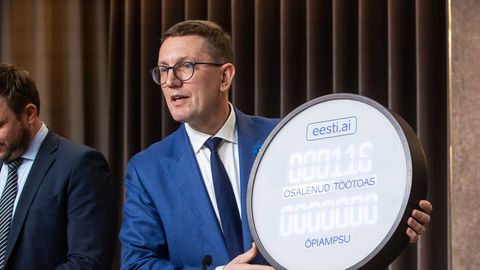
Estonia's AI literacy model to be updated with tests
Translated from Estonian, summarized and contextualized by DistantNews.
At a glance
News
Sources not specified
New plan
- Estonia has developed its first AI literacy competency model tailored to the Estonian context, funded by Eesti.ai.
- The model assesses the general population's AI usage skills and aims to guide their development.
- It covers five areas: AI technologies, applications, ethics, human-centric approaches, and information literacy, with skill levels ranging from basic to advanced.
Estonia has launched its first AI literacy competency model, designed specifically for the national context and funded by Eesti.ai. This initiative aims to establish a unified standard for evaluating how well the working-age population can utilize artificial intelligence and to support the targeted development of these skills.
The model outlines AI-related competencies at basic, application, and advanced levels. It encompasses five key domains: AI technologies and applications, AI ethics and security, human-centric thinking and communication, AI system design, and information and data literacy. The development of this model cost 3,400 euros.
This framework is intended to provide a clear benchmark for individuals and institutions, enabling a more structured approach to improving AI literacy across Estonia. The goal is to ensure that citizens are equipped to navigate and leverage AI effectively in various aspects of their lives and work.
DistantNews Editorial
Originally published by Postimees in Estonian. Translated, summarized, and contextualized by our editorial team with added local perspective. Read our editorial standards.
More Stories
/nginx/o/2026/06/30/17749161t1hd2d5.jpg)
From Our Blog

What Gets Lost (and Found) When News Is Translated

The Critical Role of Diaspora Media in Global News

What Travellers Should Know About Countries with Restricted Press

A Digital Nomad's Guide to Following Local News

How the Same Story Looks Different in Different Countries
