

Estonia's teacher pay hike sparks debate on funding and disparities
Translated from Estonian, summarized and contextualized by DistantNews.
At a glance
News
Sources not specified
New plan
- Estonia's government raised minimum wages for teachers in state schools, sparking debate over pay disparities.
- The move highlights questions about the state's role in education funding and municipal capacity to keep pace.
- Teachers and local governments are concerned about the financial implications and potential for widening pay gaps.
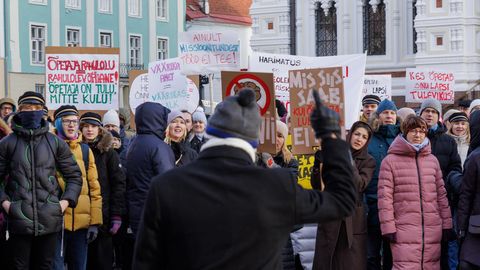
Estonia's recent increase in minimum wages for teachers in state schools has ignited a debate over pay disparities within the education sector. While the government's intention was to raise the baseline for educators, the move has brought to the forefront critical questions regarding the state's financial responsibilities in education and the ability of local municipalities to manage these changes.
The new wage structure has led to concerns among teachers about the potential for widening pay gaps between different categories of educators and within schools themselves. This has prompted discussions about the fairness and equity of the current compensation system.
Furthermore, the financial burden on local governments is a significant point of contention. Municipalities are questioning their capacity to keep pace with the state-mandated wage increases, especially given their existing budget constraints. This situation could potentially strain local resources and impact the quality of education services they provide.
DistantNews Editorial
Originally published by Postimees in Estonian. Translated, summarized, and contextualized by our editorial team with added local perspective. Read our editorial standards.
More Stories

From Our Blog

What Gets Lost (and Found) When News Is Translated

The Critical Role of Diaspora Media in Global News

What Travellers Should Know About Countries with Restricted Press

A Digital Nomad's Guide to Following Local News

How the Same Story Looks Different in Different Countries
