

Estonia sees nearly 25% rise in seasonal foreign workers, raising exploitation concerns
Translated from Estonian, summarized and contextualized by DistantNews.
At a glance
News
Sources not specified
Context piece
- Estonia saw a nearly 25% increase in third-country nationals arriving for seasonal work this year.
- These workers are crucial for sectors like agriculture, hospitality, and industry, which face seasonal labor shortages.
- The rise in foreign workers increases the risk of exploitation due to potential unfamiliarity with labor laws and rights.
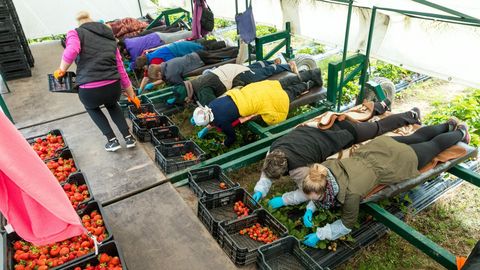
Estonia has experienced a significant surge in seasonal workers from outside the European Union, with nearly a quarter more third-country nationals arriving this year compared to previous periods. These workers play a vital role in supporting key sectors of the Estonian economy that are prone to seasonal labor demands.
Industries such as agriculture, accommodation, food services, and manufacturing rely heavily on this influx of temporary labor to manage peak periods. The increased number of foreign workers arriving to fill these roles is a testament to the ongoing need for flexible staffing solutions in Estonia's diverse economic landscape.
However, this growth in seasonal employment also brings heightened concerns about potential worker exploitation. Authorities and organizations are increasingly aware that workers unfamiliar with Estonian labor laws, their specific employment conditions, and their fundamental rights may be vulnerable. Ensuring these individuals are informed and protected is becoming a critical focus as Estonia navigates the complexities of its seasonal workforce.
DistantNews Editorial
Originally published by Postimees in Estonian. Translated, summarized, and contextualized by our editorial team with added local perspective. Read our editorial standards.
More Stories
/nginx/o/2026/06/30/17749740t1ha1ae.jpg)
From Our Blog

What Gets Lost (and Found) When News Is Translated

The Critical Role of Diaspora Media in Global News

What Travellers Should Know About Countries with Restricted Press

A Digital Nomad's Guide to Following Local News

How the Same Story Looks Different in Different Countries
