


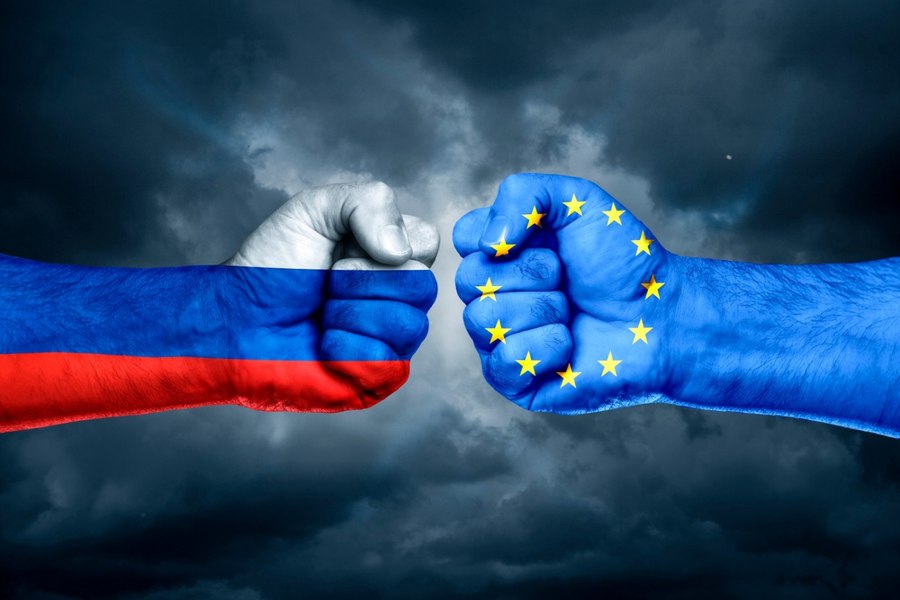
EU Approves 21st Sanctions Package Against Russia, Capping Oil at $44 Per Barrel
Translated from Romanian, summarized and contextualized by DistantNews.
At a glance
News
Sources not specified
Approved/passed
- The EU has approved its 21st sanctions package against Russia, targeting financial sectors, crypto, military industry, and oil tanker fleets.
- A key measure extends the price cap on Russian oil exports to $44 per barrel, aiming to limit Moscow's war funding.
- The package includes compromises, notably allowing European firms to transport Russian LNG to non-EU countries under certain conditions.
The European Union has agreed on its 21st sanctions package against Russia, concluding weeks of negotiations in Brussels. The new measures impose restrictions on Russia's financial sector, cryptocurrency dealings, military industry, and the fleet of oil tankers used to circumvent international sanctions.
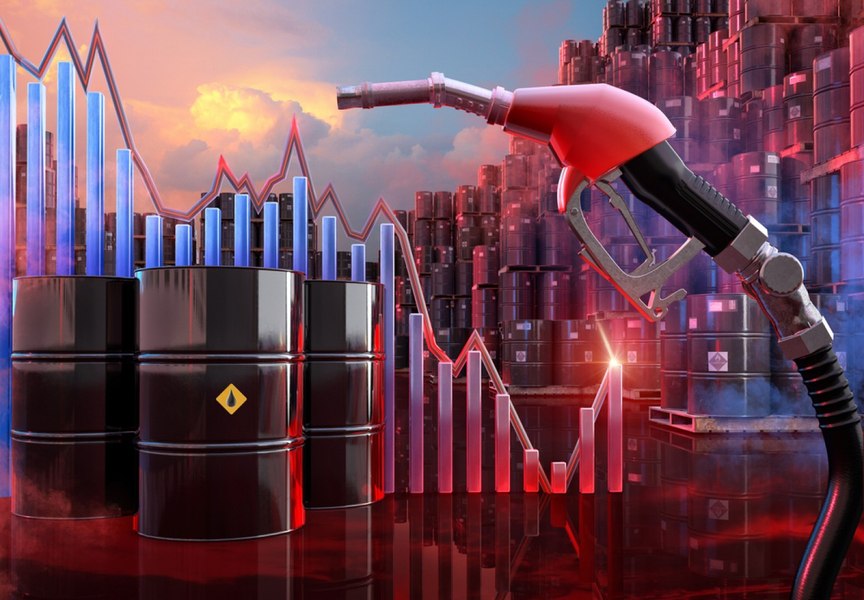
A central element of the package is the extension of the price cap on Russian oil exports for another year. The cap is set at $44 per barrel, according to AFP, with the objective of curbing Moscow's revenue from energy exports, a significant source for funding the war in Ukraine.
However, the final sanctions package is less stringent than the European Commission's initial proposal. This moderation followed objections from Greece concerning the transport of Russian liquefied natural gas (LNG). Greece sought to maintain the possibility for European companies to transport Russian LNG to nations outside the EU.
A compromise was reached, permitting such operations for contracts signed after February 24, 2022, the date of Russia's invasion of Ukraine. Member states will re-evaluate this exemption annually. The package also introduces additional prohibitions on transactions within the Russian financial sector and new measures targeting cryptocurrency use. Furthermore, the EU is expanding its list of "shadow fleet" oil tankers, vessels operating under various flags that Russia employs to evade Western sanctions. Additional trade restrictions are included to limit the Russian military industry's access to essential products and technologies.
The measure aims to limit revenues obtained by Moscow from energy exports, considered an important source of financing for the war in Ukraine.
DistantNews Editorial
Originally published by Adevărul in Romanian. Translated, summarized, and contextualized by our editorial team with added local perspective. Read our editorial standards.
More Stories

From Our Blog

What Gets Lost (and Found) When News Is Translated

The Critical Role of Diaspora Media in Global News

What Travellers Should Know About Countries with Restricted Press

A Digital Nomad's Guide to Following Local News

How the Same Story Looks Different in Different Countries
