


EU asylum reform echoes Trump-era policies, critics warn
Translated from German, summarized and contextualized by DistantNews.
At a glance
Analysis
Named sources
New plan
- The EU's new asylum reform allows for 'return hubs' in third countries, drawing comparisons to Donald Trump's policies.
- These hubs could be established in nations with poor human rights records, such as Libya or Uzbekistan.
- Critics argue the policy is counterproductive and reflects a race to the bottom in migration management.
Europe's approach to asylum seekers is increasingly mirroring policies previously associated with Donald Trump, particularly with the EU's recent agreement on a new return directive. This reform permits the establishment of 'return hubs' in third countries, a move that critics argue is a dangerous step backward in migration policy.
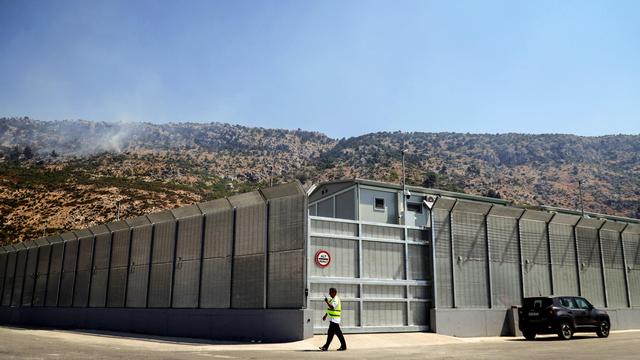
The core idea behind these return hubs is to process asylum seekers whose applications have been rejected. If an individual cannot be deported to their country of origin due to a lack of agreements, EU countries could potentially expel them to a third nation. Potential locations for these hubs include countries like Libya and Uzbekistan, where human rights protections are reportedly weak.
Hein de Haas, a Dutch migration researcher, described the current political climate surrounding migration as a "peeing contest," where politicians prioritize sounding tough over implementing effective policies. He stated in a 2025 ZEIT interview that proposals often prove counterproductive. This new EU policy, allowing for the outsourcing of asylum processing to countries with questionable human rights records, is seen by many as a symptom of this competitive and ultimately detrimental approach to managing migration.
Migration policy has become a peeing contest. Politicians want to sound tough and make proposals that are actually counterproductive.
DistantNews Editorial
Originally published by Die Zeit in German. Translated, summarized, and contextualized by our editorial team with added local perspective. Read our editorial standards.
More Stories


From Our Blog

What Gets Lost (and Found) When News Is Translated

How the Same Story Looks Different in Different Countries

The Critical Role of Diaspora Media in Global News

What Travellers Should Know About Countries with Restricted Press

A Digital Nomad's Guide to Following Local News
