


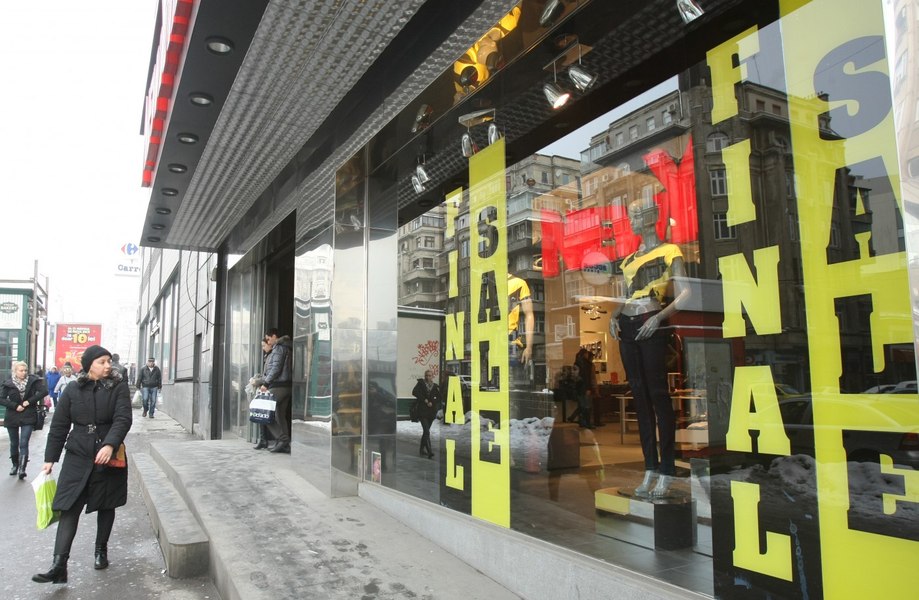
EU bans destruction of unsold clothes and shoes from 2026
Translated from Romanian, summarized and contextualized by DistantNews.
At a glance
News
Sources not specified
New plan
- The European Union will ban large clothing and footwear companies from destroying unsold products starting July 19, 2026.
- Companies must instead reuse, donate, repair, or recycle these items as part of new circular economy legislation.
- This measure aims to reduce the environmental impact of the fashion industry, which is a significant source of pollution and waste in Europe.
The European Union is set to implement a significant new regulation aimed at curbing waste in the fashion industry. Beginning July 19, 2026, major clothing and footwear brands will no longer be permitted to destroy unsold merchandise. Instead, they will be compelled to explore alternatives such as reuse, donation, repair, or recycling.
This legislative change is part of a broader push toward a circular economy, targeting the substantial environmental footprint of one of Europe's most polluting sectors. The European Commission estimates that up to 9% of unsold textiles are discarded before ever being used, contributing millions of tons of carbon emissions annually. This practice has drawn criticism for years, with retailers accused of preferring disposal over reduced-price sales or donations.
The EU views this issue as not only a moral concern but also an economic and environmental imperative. As natural resources become scarcer and reducing carbon emissions is a strategic priority, the destruction of unused products is seen as incompatible with the Union's climate goals. The textile sector is a major economic contributor in Europe but also a significant polluter, consuming vast amounts of raw materials, water, and land while generating substantial greenhouse gas emissions and waste.
The rise of "fast fashion" has dramatically altered consumption patterns over the past two decades. Europeans now buy more clothes but keep them for shorter periods. This trend has led to a continuous increase in the volume of unsold goods. The European Commission estimates that between 4% and 9% of textiles entering the EU market are destroyed annually, generating approximately 5.6 million tons of carbon dioxide emissions each year – comparable to the annual net emissions of Sweden. The economic rationale for companies destroying new products often relates to protecting brand image and exclusivity, as significant price reductions could devalue premium and luxury goods.
DistantNews Editorial
Originally published by Adevărul in Romanian. Translated, summarized, and contextualized by our editorial team with added local perspective. Read our editorial standards.
More Stories


From Our Blog

What Gets Lost (and Found) When News Is Translated

The Critical Role of Diaspora Media in Global News

What Travellers Should Know About Countries with Restricted Press

A Digital Nomad's Guide to Following Local News

How the Same Story Looks Different in Different Countries
