


EU Budget War: New Taxes or Drastic Cuts Threaten Wallets
Translated from Hungarian and summarized by DistantNews. Read the original for the full story.
At a glance
News
Sources not specified
Context piece
- A significant budget war is underway in the EU, with two opposing factions clashing over financial policy.
- One group, led by Germany, advocates for austerity and reduced spending, while net beneficiary countries demand continued funding for economic development.
- The European Commission's attempt to establish independent revenue streams through new EU taxes is a central point of contention, potentially impacting citizens and national sovereignty.
The European Union is embroiled in a fierce budget war, with deep divisions threatening financial paralysis and the potential collapse of its common fund. Two entrenched camps are locked in a struggle, with no apparent bridge between their opposing logics.
If there is no growth, then less must be managed.
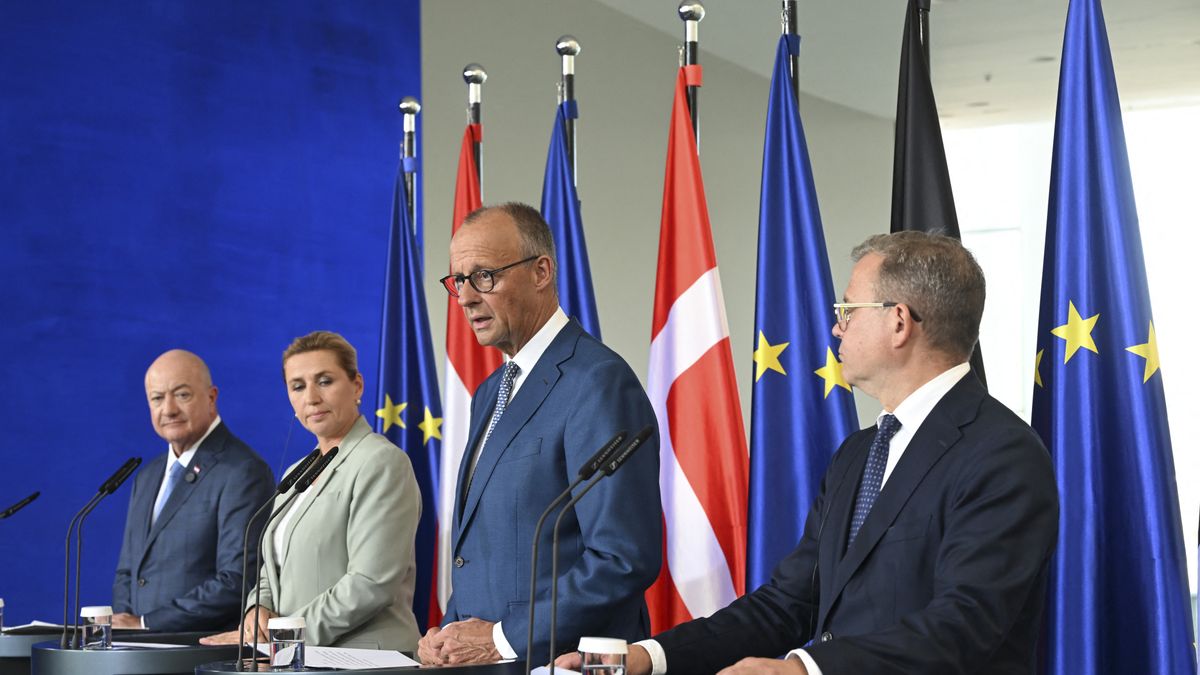
On one side are the "Frugal Six," led by Germany. This group argues that the EU must operate like a responsible household or company during a crisis, meaning reduced spending when growth is stagnant. They are pushing for a review of cohesion and agricultural support effectiveness, a reduction in Brussels bureaucracy, and are adamantly opposed to the European Commission's plan for the EU to levy its own direct taxes on citizens. They believe that retaining control over the purse strings within national parliaments is the last bastion of sovereignty.
Conversely, net beneficiary countries like Poland, Spain, Italy, Greece, and Central European nations view the seven-year budget as the sole guarantee for their economic catch-up. For them, cuts to cohesion funds and the common agricultural policy would be tantamount to an economic declaration of war. These countries rightly argue that companies in northern states profit immensely from the opening of eastern and southern markets, making budget support a form of compensation. If the "Frugal Six" cut off funding, infrastructure investments could halt, leading to domestic political crises and a rise in anti-European sentiment.
The cohesion funds and the common agricultural policy cuts are equivalent to an economic declaration of war.
The situation is further complicated by the European Commission's determined effort to create permanent, independent revenue sources. As member states become increasingly reluctant to contribute directly, Brussels is planning new, direct EU taxes, such as carbon tariffs, a percentage of corporate profits, or a plastic tax. These would draw money directly from companies and, ultimately, from the pockets of European consumers.
If Merz and his allies cut off the money taps, infrastructure investments could immediately stop in these countries.
This push for direct taxation is seen by some, like Friedrich Merz in Berlin, as an attempt to break what they call "Brussels' creeping federalism." If the EU gains direct taxing authority, national governments could permanently lose control over the bloc's bureaucracy. European Council President António Costa faces a political minefield as he begins a tour to broker a compromise.
If the EU gains its own taxing powers, the nation-states will permanently lose control over the Brussels bureaucracy.
About this summary
Originally published by Magyar Nemzet in Hungarian. Translated, summarized, and contextualized automatically by DistantNews, with a note on how the source frames the story. Not individually reviewed before publishing. How this works.
More Stories


From Our Blog

Countries Without a Free Press: What You Need to Know

What Press Freedom Means for the News You Read

What Gets Lost (and Found) When News Is Translated

The Critical Role of Diaspora Media in Global News

What Travellers Should Know About Countries with Restricted Press
