


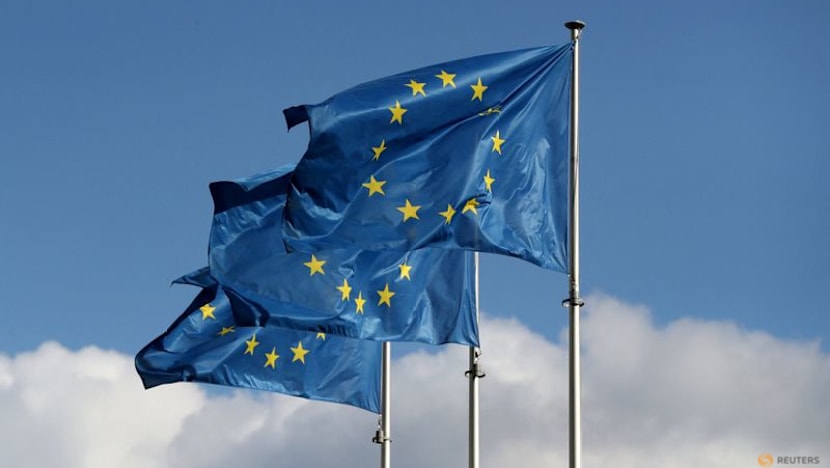
EU Commission assessing impact of US AI export control on Anthropic
Translated from English, summarized and contextualized by DistantNews.
At a glance
News
Named sources
Context piece
- The European Commission is examining the consequences of a U.S. directive that restricts access to advanced AI models from Anthropic.
- The U.S. government cited national security concerns for the order, which Anthropic will implement by disabling access for foreign nationals.
- The EU spokesperson stated that such measures should not discriminate against partners and highlighted the need for Europe to strengthen its technological sovereignty.
The European Commission is closely monitoring the practical implications of a U.S. directive impacting the artificial intelligence company Anthropic. The directive, which stems from national security concerns, orders Anthropic to suspend access to its most advanced AI models for foreign nationals. Anthropic announced it would "abruptly disable" these models for all non-U.S. users in response.
We are seeing a new generation of highly capable AI models reach the market. These models offer significant benefits, including for cyber-defence, but they also raise serious cybersecurity concerns that need to be addressed.
Thomas Regnier, a spokesperson for the European Commission, stated that while new, highly capable AI models offer significant benefits, they also present serious cybersecurity concerns that require attention. He emphasized that any contingency measures taken should not be discriminatory against international partners.
We believe that contingency measures taken in this light should not be discriminatory against partners.
"This development is a further illustration of why Europe needs to strengthen its technological sovereignty," Regnier added. The Commission is actively assessing the consequences for European users of these advanced AI services, signaling a potential push for greater European control over critical technology sectors.
This development is a further illustration of why Europe needs to strengthen its technological sovereignty.
DistantNews Editorial
Originally published by CNA in English. Translated, summarized, and contextualized by our editorial team with added local perspective. Read our editorial standards.
More Stories


From Our Blog

What Gets Lost (and Found) When News Is Translated

The Critical Role of Diaspora Media in Global News

What Travellers Should Know About Countries with Restricted Press

A Digital Nomad's Guide to Following Local News

How the Same Story Looks Different in Different Countries
