


EU Commission strengthens competitors against Google
Translated from German, summarized and contextualized by DistantNews.
At a glance
News
Official statement
New plan
- The European Commission has mandated Google to grant competitors equal access to Android device functions, including AI services.
- Google must also provide third-party search engines access to search data starting January 2027.
- These measures, part of the Digital Markets Act, aim to foster competition in AI and search services, though Google expressed concerns about device security.
The European Commission is intensifying pressure on Google, requiring the tech giant to allow competitors greater access to its services under the Digital Markets Act (DMA). Two binding "specification measures" have been issued, aiming to level the playing field for third-party AI and search engine providers.
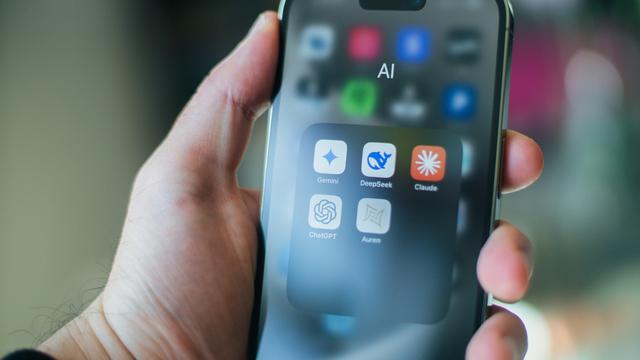
The EU Commission has mandated Google to grant competitors equal access to Android device functions, including AI services.
The first measure ensures that rival AI services will receive the same rights as Google's own AI offerings, such as Gemini, on Android devices. This includes equal access to device functions, such as voice activation for AI models. Users will be able to select their preferred AI assistant via voice command, with changes expected to benefit Android users from July 2027. Google's Gemini is currently pre-installed on Android smartphones and can manage tasks like scheduling and email.
Google must provide third-party search engines access to search data starting January 2027.
The second measure compels Google to grant third-party search engines access to search data, which is primarily collected by Google Search. This data sharing is slated to begin in January 2027. Google has voiced concerns, arguing that the directive jeopardizes device security by granting extensive permissions to numerous apps without sufficient security checks. The company also stated that AI assistants already have access to voice control features and that smartphone manufacturers, not Google as the operating system provider, are responsible for these functionalities.
the instruction jeopardizes device security because numerous apps will receive far-reaching permissions without security checks
DistantNews Editorial
Originally published by Die Zeit in German. Translated, summarized, and contextualized by our editorial team with added local perspective. Read our editorial standards.
More Stories



From Our Blog

What Gets Lost (and Found) When News Is Translated

How the Same Story Looks Different in Different Countries

The Critical Role of Diaspora Media in Global News

What Travellers Should Know About Countries with Restricted Press

A Digital Nomad's Guide to Following Local News
