


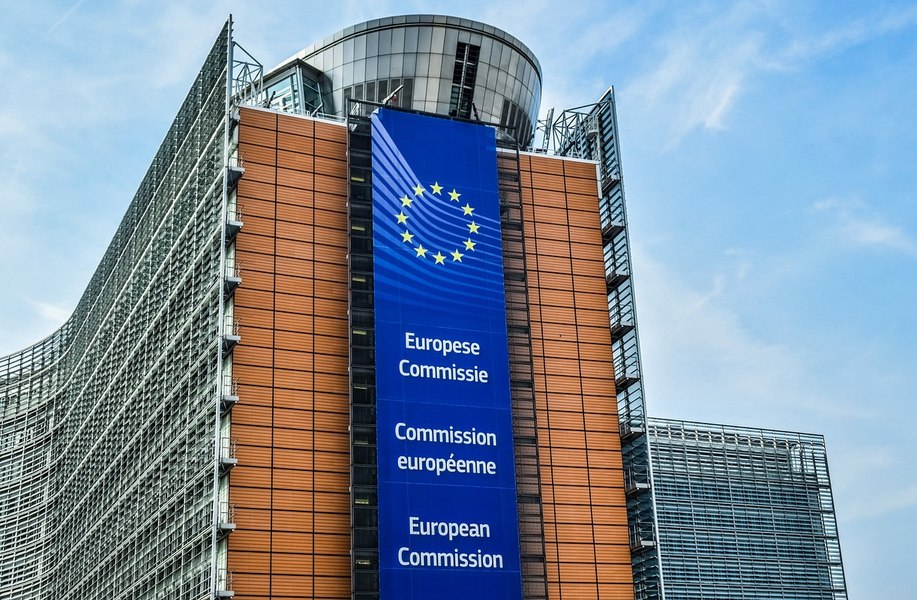
EU considers fiscal escape clause for energy crisis costs
Translated from Romanian, summarized and contextualized by DistantNews.
At a glance
News
Sources not specified
New plan
- The European Union is considering a new fiscal flexibility measure to help member states finance high energy costs amid geopolitical tensions.
- This proposed measure would allow governments to seek waivers from common budget rules for energy spending, potentially around 0.3% of GDP.
- The move comes as the EU economy slows and inflation remains high, with countries like Italy pushing for fiscal rule relaxation to manage energy crisis impacts.
Brussels is exploring a new fiscal "escape clause" to help European Union member states cope with soaring energy costs, a move that could allow governments to spend more without breaching common budget rules. The proposal, still in its early stages, would permit countries to finance energy-related expenditures equivalent to about 0.3% of their GDP while seeking waivers from the EU's deficit regulations.
The EU is preparing a special fiscal clause for energy.
This potential fiscal flexibility mirrors exceptions previously granted for defense spending. Officials emphasize that discussions are preliminary and details may change. The initiative arises from a fragile economic climate, with the European Commission forecasting sluggish growth for the eurozone – just 0.9% this year – and persistent inflation fueled by energy prices.
The mechanism discussed within the European Commission would function as a derogation clause from the Union's fiscal rules, similar to exceptions previously granted for defense spending.
Italy, a nation with a high public debt and significant reliance on energy imports, has been particularly vocal in urging Brussels to ease fiscal constraints. Prime Minister Giorgia Meloni's government has already implemented temporary measures, such as fuel tax cuts, to mitigate the crisis. Italy's vulnerability to energy price shocks makes the need for fiscal room to maneuver particularly acute.
The European Commission estimates that the eurozone economy will grow by only 0.9% this year, down from 1.4% last year and below previous forecasts.
The debate underscores the delicate balancing act European policymakers face: supporting economies through an energy crisis without jeopardizing long-term fiscal stability.
The Italian prime minister requested the inclusion of investments and exceptional measures regarding energy within the EU's fiscal safeguard clauses.
DistantNews Editorial
Originally published by Adevărul in Romanian. Translated, summarized, and contextualized by our editorial team with added local perspective. Read our editorial standards.
More Stories

From Our Blog

What Gets Lost (and Found) When News Is Translated

The Critical Role of Diaspora Media in Global News

What Travellers Should Know About Countries with Restricted Press

A Digital Nomad's Guide to Following Local News

How the Same Story Looks Different in Different Countries
