

EU eyes Russia talks, old fears resurface in East. Romania warned: 'There are reasons for concern'
Translated from Romanian, summarized and contextualized by DistantNews.
At a glance
News
Named sources
Context piece
- European leaders are considering negotiations with Russia, raising concerns among Eastern European nations about their interests being sidelined.
- A political scientist warns that a premature peace deal could legitimize Russian aggression and reintroduce spheres of influence in Europe.
- While anxieties exist, there is also increased awareness within the EU against imposing a peace settlement on Ukraine or Eastern European states without their full inclusion.
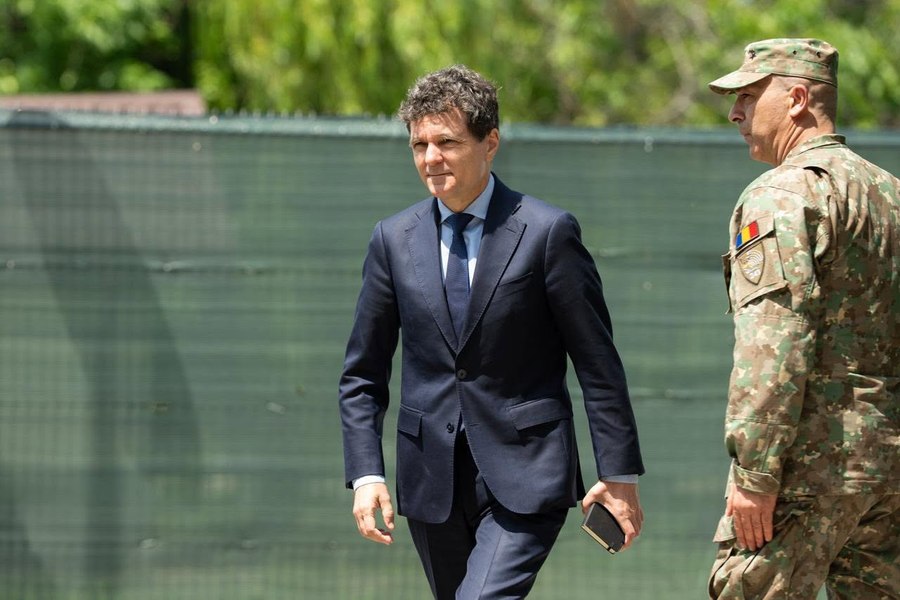
The prospect of European Union negotiations with Russia is stirring anxieties in Eastern Europe, reminiscent of past concerns over spheres of influence. Political scientist Raluca Moldovan from Babeș-Bolyai University highlights the risks for Romania and other Eastern European nations, fearing their interests might be overlooked in potential talks.
Yes, there are reasons for concern, but I would not frame the problem solely in terms of geopolitical politics, Eastern European versus Western European.
Moldovan argues that the core issue isn't merely a geographical divide between Eastern and Western European perspectives. Instead, it's about whether negotiations will prioritize the experiences of nations that have long recognized the Russian threat or cater to older reflexes in some Western capitals that still view Russia as a difficult but necessary partner. For countries like Poland, the Baltic states, Romania, the Czech Republic, and Finland, Russia represents a tangible historical, military, informational, and political threat.
For Poland, the Baltic states, Romania, the Czech Republic, or Finland, Russia is not a strategic abstraction. It is a very concrete historical, military, informational, and political threat.
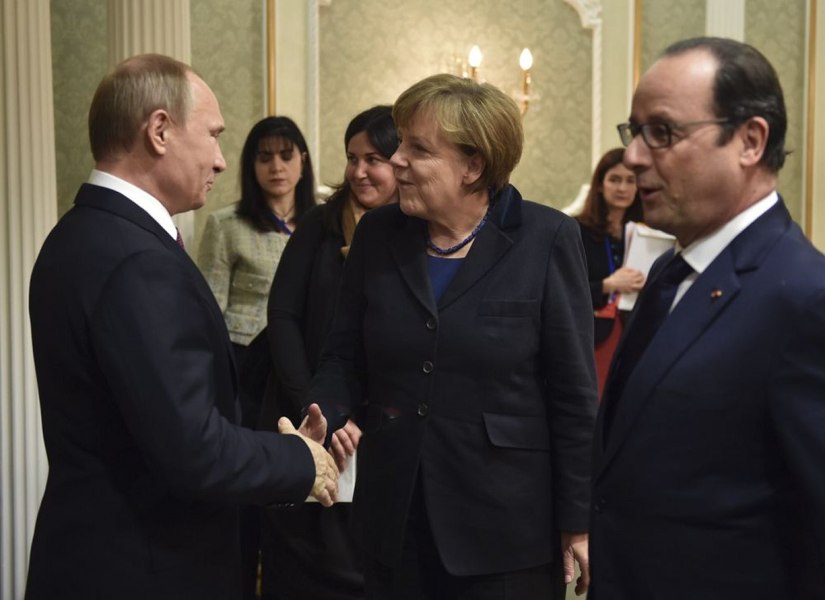
The absence of an Eastern European representative among potential EU negotiators fuels this anxiety. Moldovan suggests this signals a poor outcome if those most exposed to risk are consulted but not fully involved in shaping the results. She stresses that post-2022 Europe cannot negotiate continental security with a "great powers decide, Eastern flank conforms" mentality. However, she notes a crucial correction within the EU, with Kaja Kallas, the EU's foreign policy chief, emphasizing that Russia cannot dictate who speaks for Europe and that the EU must not impose a peace on Ukraine.
The fact that an Eastern European is not appearing, at least for now, among the names circulated for a potential European representation can fuel this anxiety.
The worst-case scenario, according to Moldovan, involves an agreement that freezes the conflict in Ukraine without addressing its root cause: Russian imperialism. This could mean Russia retaining occupied territories, gradually seeing sanctions eased, and Ukraine being pushed toward a vulnerable neutrality or security gray zone. For Eastern Europeans, this would represent a contemporary version of spheres of influence, where borders are not redrawn with a pencil on a map but through geopolitical compromises that disregard their security.
After 2022, Europe can no longer negotiate the continent's security in formulas like 'great powers decide, the Eastern flank conforms.'
DistantNews Editorial
Originally published by Adevărul in Romanian. Translated, summarized, and contextualized by our editorial team with added local perspective. Read our editorial standards.
More Stories
From Our Blog

What Gets Lost (and Found) When News Is Translated

The Critical Role of Diaspora Media in Global News

What Travellers Should Know About Countries with Restricted Press

A Digital Nomad's Guide to Following Local News

How the Same Story Looks Different in Different Countries
