

EU methane emission rules pose challenge for energy suppliers, prompt calls for delay
Translated from French, summarized and contextualized by DistantNews.
At a glance
News
Sources not specified
New plan
- A new EU regulation, effective August 2024, mandates that hydrocarbon importers prove their products meet EU standards on methane emissions starting in 2027.
- The regulation requires Monitoring, Reporting, and Verification (MRV) systems, with stricter obligations on methane intensity reporting from 2028 and emission thresholds by 2030.
- Major energy partners like Algeria are urged to comply, but concerns exist about their readiness and potential impact on energy supply, leading some EU countries to call for a delay.
European Union regulations aimed at curbing methane emissions are set to significantly impact hydrocarbon imports, with key provisions taking effect in the coming years. The EU's methane regulation, enacted in August 2024, requires importers to demonstrate that purchased hydrocarbons originate from producers adhering to EU-equivalent standards or recognized reporting standards. This necessitates robust Monitoring, Reporting, and Verification (MRV) systems.
Starting January 1, 2027, European importers must provide this proof. The regulation further stipulates that from 2028, obligations for reporting methane intensity will be enforced. By August 2030, maximum methane emission thresholds will be applied to relevant import contracts, meaning compliance with these limits will be a condition for exporting to the EU market.
This stringent regulatory framework places significant pressure on Europe's main energy partners, including Algeria, a major gas supplier. However, these countries are reportedly not yet fully prepared to meet these demands. This has prompted calls for a revision or relaxation of the 2027 timeline, particularly amid Europe's ongoing energy crisis and increased reliance on gas imports following geopolitical events.
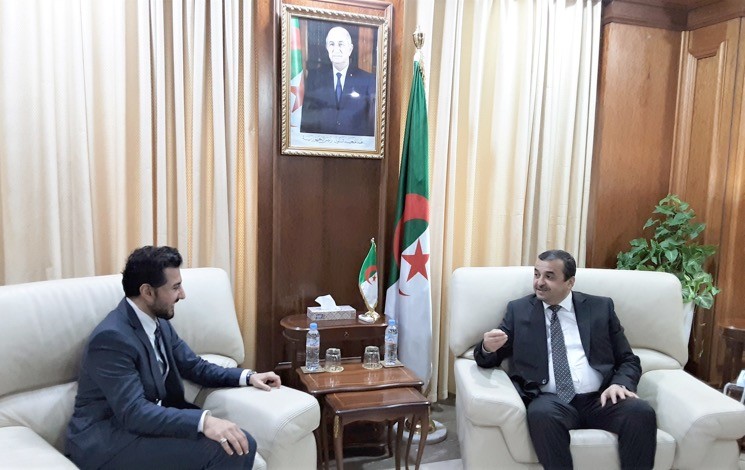
Several EU member states, including Italy and the Netherlands, are advocating for a three-year postponement of these obligations. They argue that the stringent requirements could reduce the number of available suppliers for Europe at a time when energy markets remain volatile. The debate unfolds as UN Secretary-General Antonio Guterres urges intensified efforts to reduce methane emissions, while energy suppliers like Algeria grapple with the challenge of meeting the EU's new environmental standards. This issue is central to ongoing energy dialogues between the EU and Algeria, including discussions held in Algiers on February 12, 2026.
DistantNews Editorial
Originally published by El Watan in French. Translated, summarized, and contextualized by our editorial team with added local perspective. Read our editorial standards.
More Stories

From Our Blog

What Gets Lost (and Found) When News Is Translated

The Critical Role of Diaspora Media in Global News

What Travellers Should Know About Countries with Restricted Press

A Digital Nomad's Guide to Following Local News

How the Same Story Looks Different in Different Countries
