

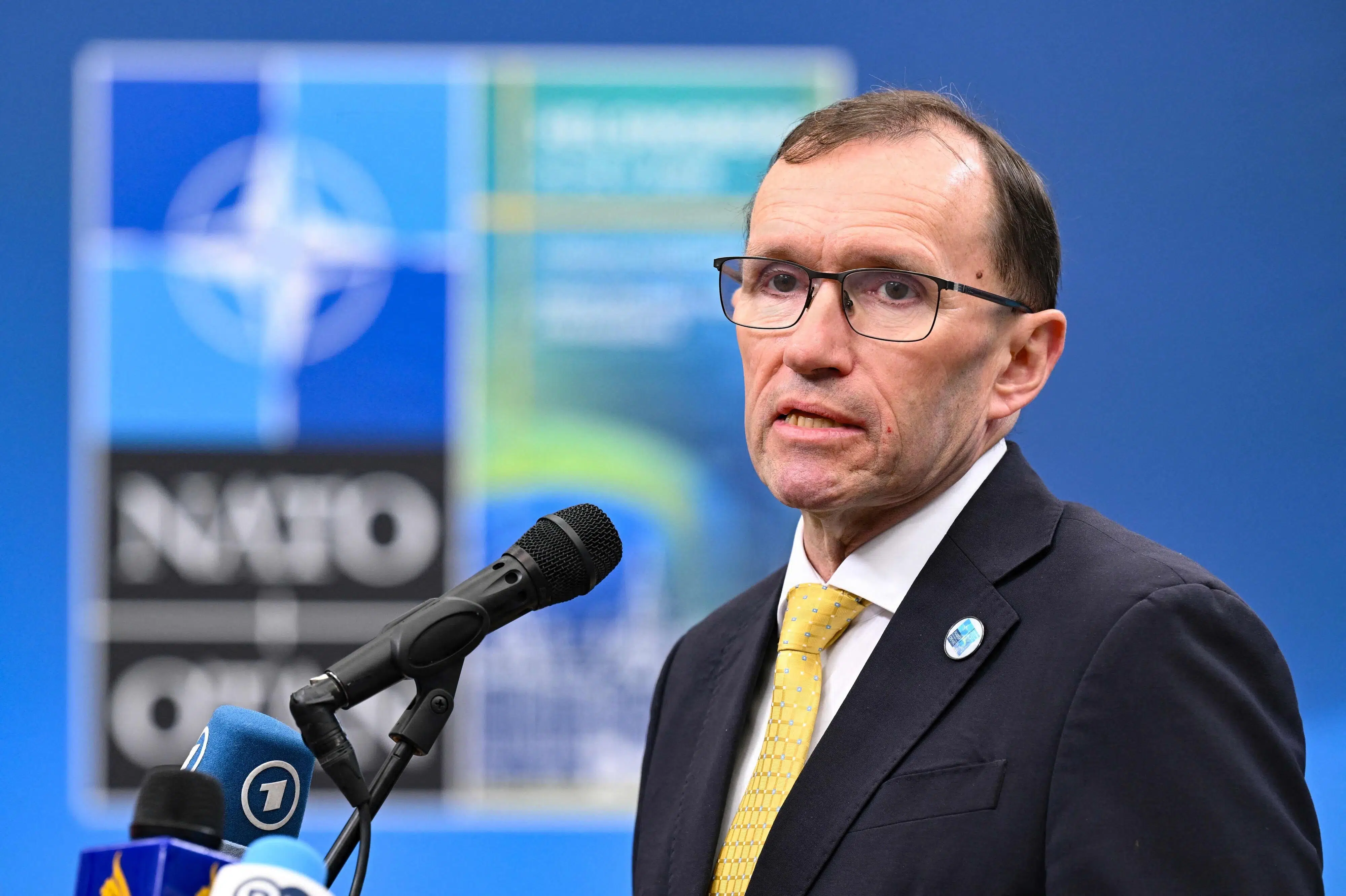

EU questions new US tariffs, says US not upholding trade deal
Translated from Danish, summarized and contextualized by DistantNews.
At a glance
News
Named sources
New plan
- EU foreign policy chief Kaja Kallas questioned the U.S. justification for imposing new tariffs on 60 trading partners, including the EU.
- The U.S. cited the partners' failure to ban imports made with forced labor, a reason Kallas disputes, highlighting the EU's strong labor laws and paid holidays.
- The EU plans to seek further clarification from the U.S. administration regarding the tariffs, which replaced a previous global tariff and took effect Friday.
The European Union's top diplomat, Kaja Kallas, has challenged the United States' rationale for implementing new tariffs on approximately 60 trading partners, including the EU itself. The tariffs, announced by U.S. Trade Representative Jamieson Greer, are based on the assertion that these partners have not adequately banned imports produced through forced labor.
One cannot say that about the European Union.
Kallas firmly rejected this justification, stating, "One cannot say that about the European Union." She emphasized the EU's robust labor standards, including paid holidays and strong working conditions, which she believes stand in stark contrast to the U.S. claims. The EU intends to formally request a more detailed explanation from the U.S. administration regarding the basis for these new trade measures.
"We had an agreement with the United States, and we have fulfilled our part of that agreement. Therefore, it is an unpleasant surprise that the agreement is not being honored," Kallas added, expressing disappointment that the U.S. appears not to be upholding its commitments under a trade deal established last year between the EU and the U.S.
If you compare our labor legislation with that of the United States, we have paid holidays, and we have very good working conditions for our employees. So, this is not something that has any basis in reality.
The new tariffs, ranging from 10 to 12.5 percent, officially came into effect early Friday morning, replacing a temporary global tariff initially imposed by President Donald Trump in February. The EU's challenge signals a potential trade dispute and raises questions about adherence to existing international trade agreements.
We had an agreement with the United States, and we have fulfilled our part of that agreement. Therefore, it is an unpleasant surprise that the agreement is not being honored.
DistantNews Editorial
Originally published by Berlingske in Danish. Translated, summarized, and contextualized by our editorial team with added local perspective. Read our editorial standards.
More Stories


From Our Blog

What Gets Lost (and Found) When News Is Translated

The Critical Role of Diaspora Media in Global News

What Travellers Should Know About Countries with Restricted Press

A Digital Nomad's Guide to Following Local News

How the Same Story Looks Different in Different Countries
