

EU's Renewable Energy Push Criticized as Irrational and Uncompetitive
Translated from Hungarian, summarized and contextualized by DistantNews.
At a glance
Analysis
Sources not specified
Context piece
- A Hungarian opinion piece argues the EU's renewable energy policy is irrational and uncompetitive.
- The author claims meeting EU energy needs solely with wind and solar requires impossible storage capacity and is financially unfeasible.
- Nuclear power is presented as a more rational, cost-effective solution for reducing emissions, despite the EU's current focus on renewables.
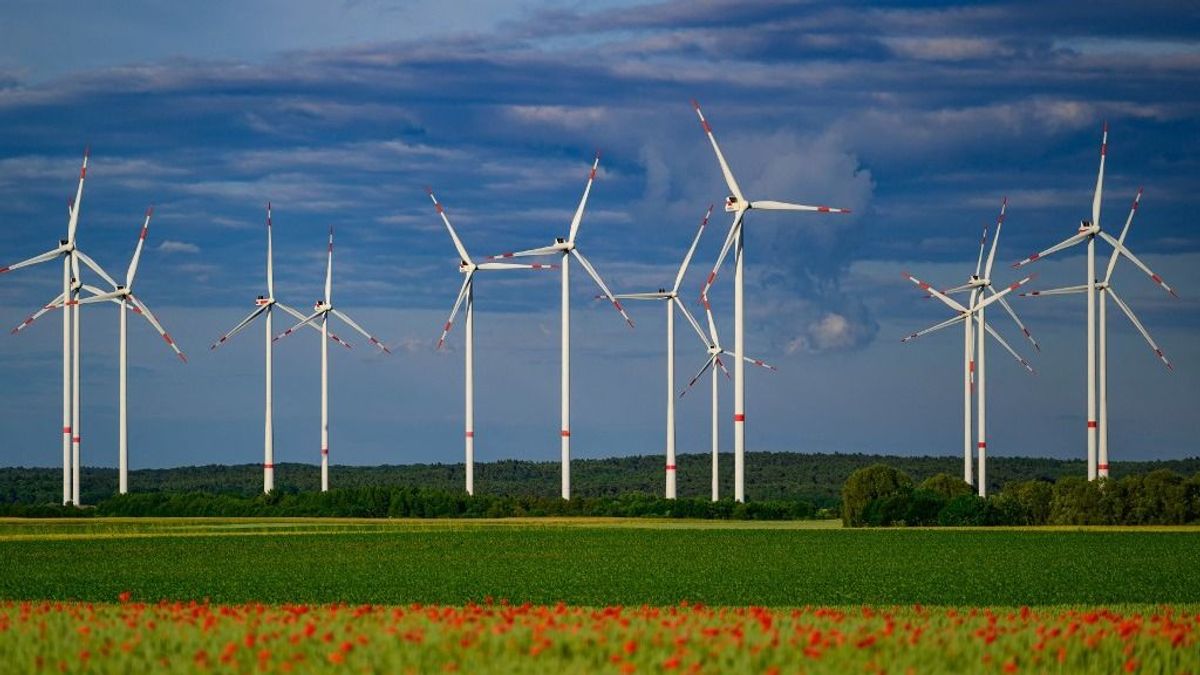
The European Union's push for renewable energy sources like wind and solar is fundamentally irrational and detrimental to European industry, according to a Hungarian opinion piece. The author calculates that meeting the EU's energy demands solely through wind and solar power would necessitate an astronomical 780 TWh of storage capacity. This is over 12,000 times the EU's current storage capabilities and would require covering an area the size of one and a half Hungarys with renewable infrastructure. Such a massive undertaking is deemed physically impossible and financially unachievable, with the cost estimated to consume decades of the EU's GDP. In contrast, the article posits that building seven Paks-sized nuclear power plants annually would suffice to significantly reduce EU carbon emissions by 2050, at a cost below half a percent of the EU's annual GDP. Crucially, nuclear power would eliminate the need for extensive storage solutions. The piece attributes the EU's policy choices not to rational analysis but to prevailing beliefs amplified by the media, which have led to policies that make European industry uncompetitive. Hungary itself has allocated 500 billion forints for renewable energy development, despite the article's critique. Currently, Hungary operates about 8 GW of solar and 0.3 GW of wind power, with plans to expand to 12 GW and 4 GW respectively by 2030. Combined with 6-7 GW of traditional energy sources, including nuclear and gas, the total capacity significantly exceeds the country's average demand of 6-7 GW, peaking at 8 GW. The author highlights that the intermittent nature of renewables causes issues, citing instances where the nuclear plant had to be curtailed to balance the grid, incurring costs of 18 Ft/kWh while renewables were purchased at around 40 Ft/kWh. Excess renewable energy sometimes had to be exported at negative prices, resulting in substantial losses for the grid and the country.
Such a massive storage capacity is physically impossible to build and financially unfeasible, as it would require decades of the EU's GDP.
DistantNews Editorial
Originally published by Magyar Nemzet in Hungarian. Translated, summarized, and contextualized by our editorial team with added local perspective. Read our editorial standards.
More Stories


From Our Blog

Countries Without a Free Press: What You Need to Know

What Press Freedom Means for the News You Read

What Gets Lost (and Found) When News Is Translated

The Critical Role of Diaspora Media in Global News

What Travellers Should Know About Countries with Restricted Press
