


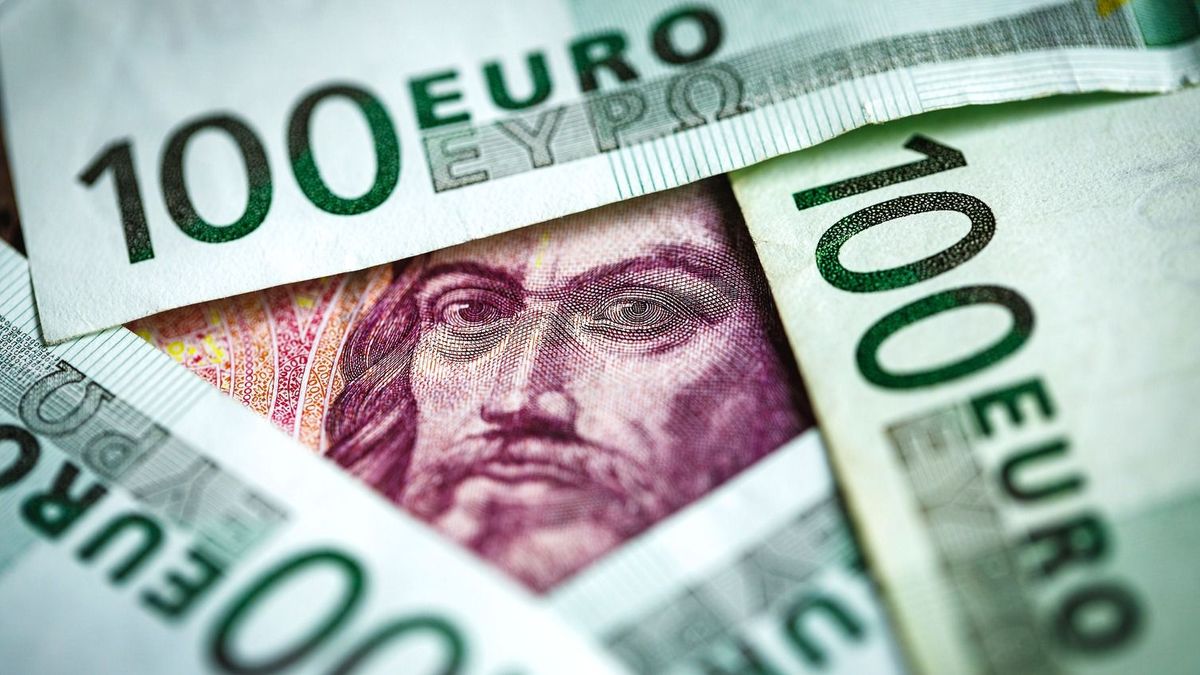
Euro's Grip: How the Common Currency Stifled Southern European Economies
Translated from Hungarian, summarized and contextualized by DistantNews.
At a glance
Analysis
Sources not specified
Context piece
- Southern European countries experienced significantly slower economic growth after adopting the euro, leading to increased debt and austerity measures.
- The common currency was too strong for these nations, hindering exports and creating trade deficits, forcing internal devaluations like spending cuts.
- Economists like Milton Friedman warned before the euro's introduction that its drawbacks would outweigh benefits due to a lack of flexibility in wages, prices, labor, and compensation mechanisms.
The introduction of the euro has been linked to sluggish economic growth in Southern European nations, a stark contrast to their previously rapid expansion. Countries like Greece, which saw nearly 7% annual growth between 1961 and 1980, experienced a dramatic slowdown to just 0.7% after joining the EU and adopting the euro. This trend, though less pronounced, also affected Portugal, Spain, and Italy, with Italy's GDP growing by a mere 0.8% annually over the last 35 years.
The core issue, according to the analysis, is that the common currency proved too strong for these economies. This overvaluation hampered their exports while making imports cheaper, leading to persistent trade deficits. For less developed countries, natural inflation (the Balassa-Samuelson effect) is typically higher than in developed nations. To remain competitive internationally, they would normally devalue their national currency periodically to offset rising domestic costs against foreign inflation.
Without the ability to devalue their currency after adopting the euro, these nations were forced into "internal devaluation." This painful process involves cutting state expenditures on education, healthcare, pensions, and public sector wages. Such austerity measures inevitably stifle GDP growth, as evidenced by the dismal economic figures from these countries.
These economic consequences were foreseeable, with numerous economists, including Nobel laureate Milton Friedman, raising concerns before the euro's launch. In a 1997 Wall Street Journal article, Friedman argued that the euro's disadvantages would likely outweigh its advantages. He pointed to insufficient flexibility in wages and prices, a lack of labor mobility, and inadequate financial compensation mechanisms among potential eurozone members. Friedman predicted that external shocks, easily managed by currency adjustments in the past, would instead lead to divisive political debates within the zone.
Már hosszú idő óta az a véleményem, hogy az euró hátrányai meghaladják az előnyeit. Az eurózóna potenciális tagjai sem elegendően rugalmas bérekkel és árakkal, sem elegendően mobil munkaerővel, sem pedig megfelelően hatékony pénzügyi kompenzációs mechanizmussal nem rendelkeznek, amelyek kompenzálhatnák a rugalmas valutaárfolyam elvesztésének hatását. A valószínű eredmény az lesz, hogy az övezetben az egyes országokat eltérő módon érintő külső hatások, amelyeket az árfolyamok megváltoztatásával könnyedén kezelni lehetett volna, megosztó politikai vitákk
DistantNews Editorial
Originally published by Magyar Nemzet in Hungarian. Translated, summarized, and contextualized by our editorial team with added local perspective. Read our editorial standards.
More Stories



From Our Blog

Countries Without a Free Press: What You Need to Know

What Press Freedom Means for the News You Read

What Gets Lost (and Found) When News Is Translated

The Critical Role of Diaspora Media in Global News

What Travellers Should Know About Countries with Restricted Press
