



Europe and the Middle East seek Erzincan’s “black pearl” as Cimin grapes reach global markets
Translated from Turkish and summarized by DistantNews. Read the original for the full story.
At a glance
In-depth
Named sources
Context piece
- Harvesting has begun for Cimin grapes in Üzümlü, Erzincan, where the variety is grown across about 10,000 decares of vineyards.
- The black-seeded table grape has a distinctive aroma and tart taste, with less sugar than many other varieties.
- Producers normally harvest about 6,000 tons a year, while demand comes from Turkey’s domestic market, Europe and the Middle East.
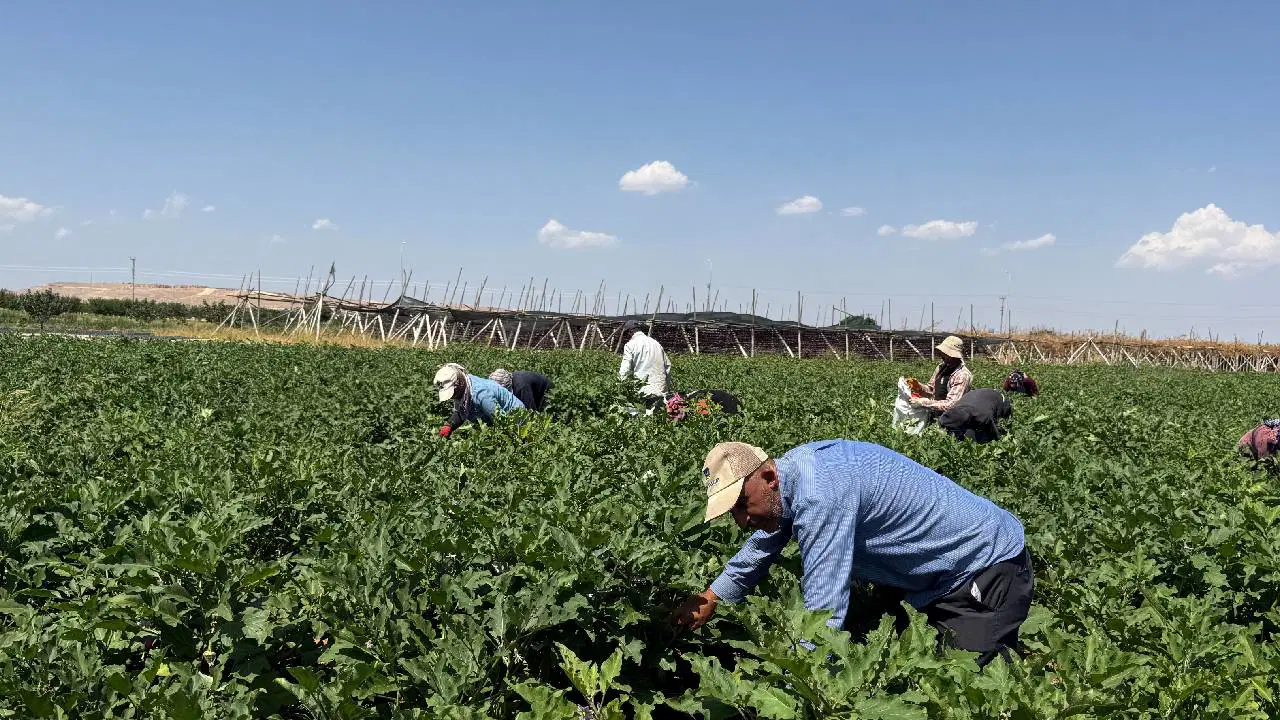
Known as Erzincan’s “black pearl,” Cimin grapes are opening the new harvest season with demand from consumers in Europe and the Middle East.
The geographically designated black-seeded table grape grows in Üzümlü, where viticulture has continued for centuries. Vineyards cover about 10,000 decares, and production averages roughly 6,000 tons in a normal season. Much of the crop is consumed inside Turkey, but overseas demand is also growing.
Harvesting has brought intense activity to the vineyards. Producer Muhammed Karakelle said annual output can range from 5,000 to 10,000 tons and that Cimin grapes stand apart because of their distinctive taste and characteristics. He highlighted their relatively low sugar content as one of the variety’s defining features.
Cimin grapes are different from the others.
Another producer, Mehmet Canbaba, called the grape one of the region’s important agricultural products because it has geographical indication registration. “No matter how much you eat, it does not make you uncomfortable,” he said, emphasizing its distinctive flavor.
The grapes come from vineyards that are about two centuries old, where production still follows traditional methods. With the new harvest underway, Cimin grapes are being shipped from Erzincan to other parts of Turkey and to consumers abroad.
No matter how much you eat, it does not make you uncomfortable.
About this summary
Originally published by Cumhuriyet in Turkish. Translated, summarized, and contextualized automatically by DistantNews, with a note on how the source frames the story. Not individually reviewed before publishing. How this works.
More Stories


From Our Blog

News in Translation: What Gets Lost, and How We Keep the Framing

Diaspora Media: How Communities Follow News From Home

Traveling Where the Press Is Not Free: How to Read the News There

The Digital Nomad's Guide to Local News

The Same Story, Different Countries: How Coverage Changes at the Border
