

Europe heatwave a climate change fallout
Summarized and contextualized by DistantNews.
At a glance
News
Sources not specified
Context piece
- Europe is experiencing extremely high summer temperatures, with cities like Paris and Rome implementing measures to help citizens cope.
- Experts warn that extreme summer temperatures are likely to recur more frequently due to climate change, impacting health and economic productivity.
- While policymakers are aware of climate change impacts, preparation for rising heat is insufficient, necessitating local-level responses alongside global efforts to curb carbon emissions.
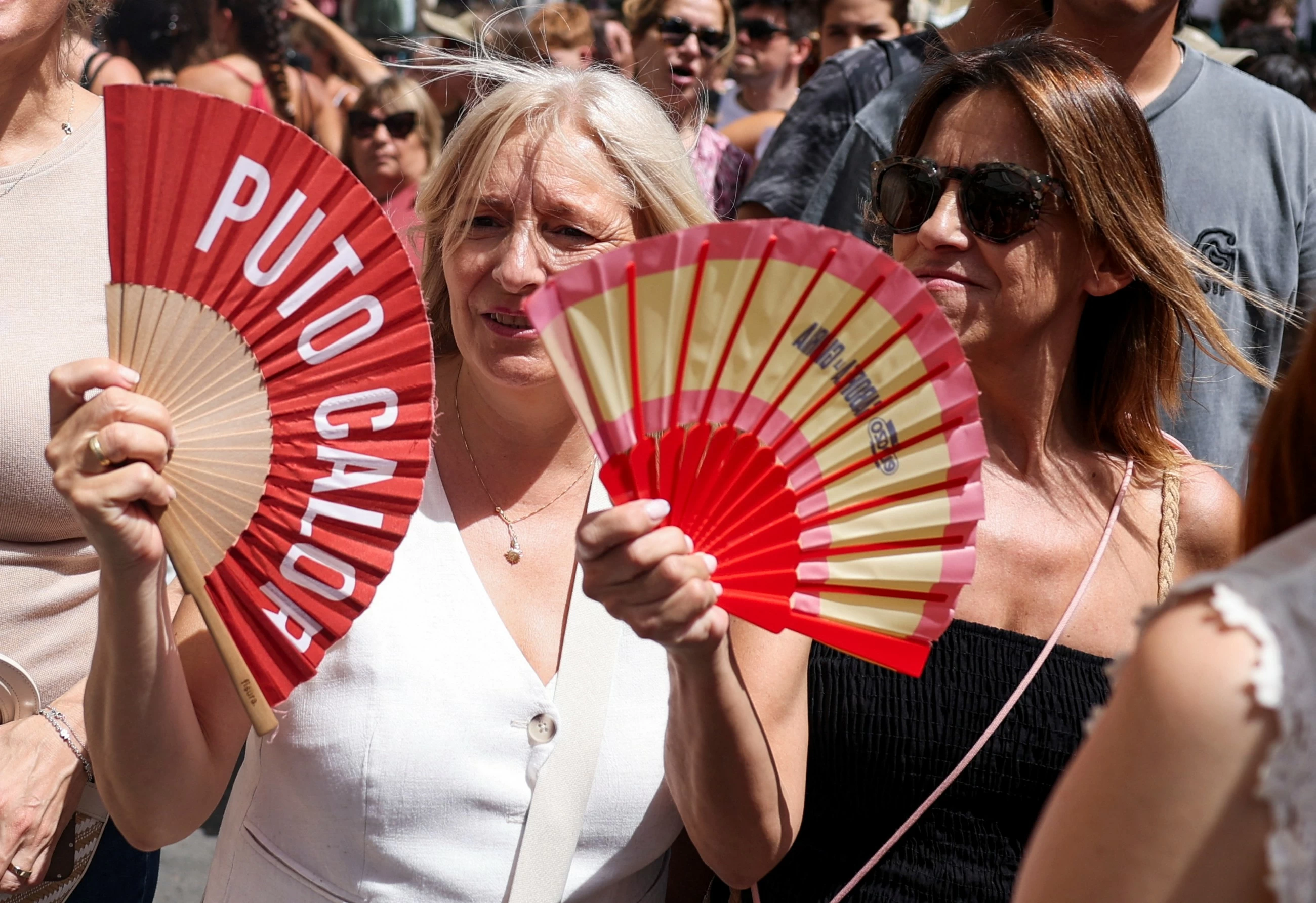
France, Italy, Germany, and much of Europe are grappling with extreme summer heat, with temperatures reaching 38-40°C and potentially climbing to 41°C. These temperatures, considered normal in tropical regions, are becoming extreme in Europe's temperate latitudes, prompting cities to implement coping strategies.
In Paris, parks are remaining open through the night to offer respite. Rome's citizens and tourists are seeking shelter in cooler underground areas like the Colosseum and resting in the shade of porticoes, splashing their faces with water from fountains. While the immediate health hazards are acknowledged, a system to monitor the impact of high temperatures on people is still lacking, unlike in some Asian countries where heatwave deaths are recorded.
Experts predict that extreme summer temperatures will recur more often, a trend linked to climate change. This poses a risk to economic productivity in the medium term. European buildings, designed primarily for winter with closed interiors and limited ventilation, are ill-equipped for rising heat. Urban planners must now consider changing weather patterns in construction and retrofitting buildings with air-conditioning.
Despite a deep awareness of climate change among European policymakers, preparation for coping with increasing heat remains insufficient. While global efforts focus on curbing carbon emissions to limit temperature rise, specific local-level responses in cities and towns are crucial. The periodic nature of these extreme heat events can lead to complacency, with authorities only reacting when the danger becomes acute. The rising summer temperatures could also impact tourism, a key sector for many European cities.
DistantNews Editorial
Originally published by Gulf Today. Summarized and contextualized by our editorial team with added local perspective. Read our editorial standards.
More Stories



From Our Blog

What Gets Lost (and Found) When News Is Translated

The Critical Role of Diaspora Media in Global News

What Travellers Should Know About Countries with Restricted Press

A Digital Nomad's Guide to Following Local News

How the Same Story Looks Different in Different Countries
