



Europe now needs heavy-lift rockets of its own
Translated from German and summarized by DistantNews. Read the original for the full story.
At a glance
Analysis
Sources not specified
Context piece
- Europe has repeatedly lagged behind the United States in space technology before eventually catching up, the article says.
- The Copernicus Earth-observation system and Galileo navigation program now rank among the world’s best of their kind.
- Europe has new hope after years of watching SpaceX’s Falcon 9 take market share from the European Space Agency’s Ariane rocket, but the article argues that Europe needs larger rockets.
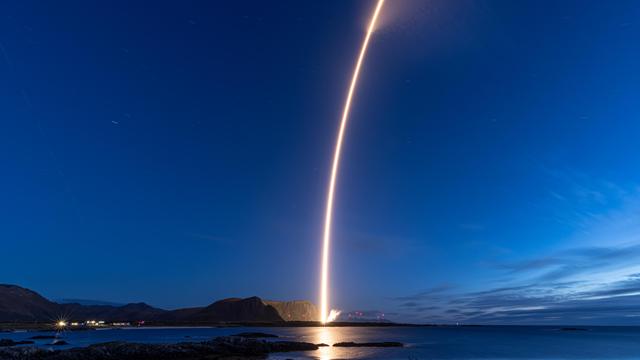
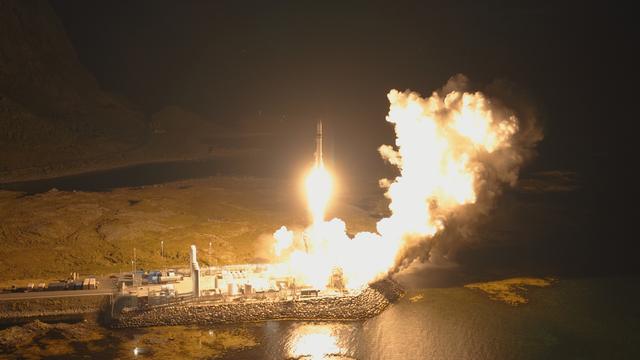
Europe has reached orbit with a small rocket, a historic step that offers fresh hope for the continent’s space ambitions. But it does not come close to replacing Elon Musk’s Falcon 9.
Space exploration appears to follow two fixed rules, according to the article: Europeans remain years behind the Americans, then eventually catch up and sometimes surpass the model they followed. Europe built the Copernicus Earth-observation satellites and the Galileo navigation system only after comparable U.S. satellite programs had long been operating.
Today, both European programs rank among the best in the world in their fields. The same pattern could now emerge in launch services. For years, Europe could do little as Musk’s heavy-lift Falcon 9 took market share from the European Space Agency’s Ariane rocket.
The successful orbital launch by a small European rocket changes the mood, but not the strategic challenge. If Europe wants to expand its independence in space, the article argues, it needs rockets with far greater capacity.
About this summary
Originally published by Süddeutsche Zeitung in German. Translated, summarized, and contextualized automatically by DistantNews, with a note on how the source frames the story. Not individually reviewed before publishing. How this works.
More Stories


From Our Blog

News in Translation: What Gets Lost, and How We Keep the Framing

The Same Story, Different Countries: How Coverage Changes at the Border

Diaspora Media: How Communities Follow News From Home

Traveling Where the Press Is Not Free: How to Read the News There

The Digital Nomad's Guide to Local News
