


Europe prepares for larger defense role as Trump questions NATO commitment
Translated from Romanian, summarized and contextualized by DistantNews.
At a glance
News
Named sources
Context piece
- European nations are accelerating defense plans amid concerns about U.S. President Donald Trump's commitment to NATO.
- Trump has repeatedly criticized allies for low defense spending and questioned the U.S. commitment to collective defense.
- European countries are increasing military investments, with some aiming for 5% of GDP on defense by 2035, as the U.S. signals a shift in focus.
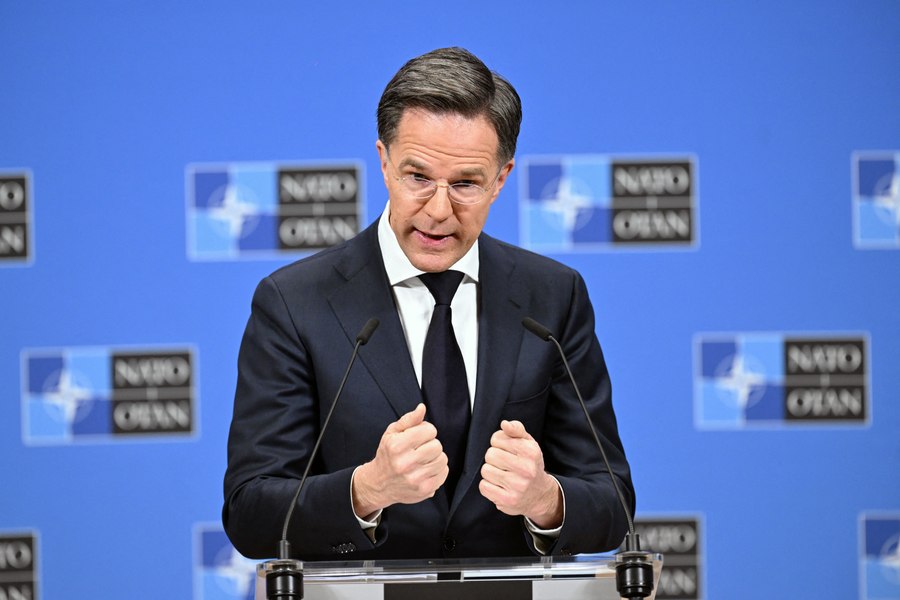
European nations are stepping up efforts to bolster their own defense capabilities, driven by questions surrounding U.S. President Donald Trump's commitment to NATO. The upcoming NATO summit in Ankara will focus on the future of Euro-Atlantic security, with European capitals increasingly operating under the assumption that Washington may gradually reduce its military involvement on the continent.
Trump has consistently criticized European allies for their defense spending levels and has publicly questioned the automatic application of Article 5, NATO's collective defense clause. The U.S. administration has repeatedly stated that Europe must take the lead in its own defense while the U.S. redirects its attention elsewhere. This shift was underscored by the Pentagon's announcement of troop withdrawals from Germany and a planned reduction in military assets available to NATO.
In response, European countries have begun increasing their military expenditures. This trend accelerated after Russia's 2022 invasion of Ukraine, but Trump's pressure has intensified the process. At last year's NATO summit, members agreed to aim for defense spending equivalent to 5% of GDP by 2035. Germany has significantly boosted its military budget, and nations on NATO's eastern flank, closest to Russia, are among the highest per capita defense spenders.
Experts view the potential reduction in U.S. military presence in Europe as a structural change, not solely tied to Trump's presidency. Claudia Major, a security specialist at the German Marshall Fund, suggests this reflects a broader rebalancing of roles within the alliance, where Europe is expected to assume greater responsibility for its own security.
the objective of the administration is to transform NATO into a 'balanced' alliance, where Europe is primarily responsible for its own defense.
DistantNews Editorial
Originally published by Adevărul in Romanian. Translated, summarized, and contextualized by our editorial team with added local perspective. Read our editorial standards.
More Stories
From Our Blog

What Gets Lost (and Found) When News Is Translated

The Critical Role of Diaspora Media in Global News

What Travellers Should Know About Countries with Restricted Press

A Digital Nomad's Guide to Following Local News

How the Same Story Looks Different in Different Countries
