

Europe's Iran Blind Spot: How Pakistan Became the Key Diplomatic Player
Translated from English, summarized and contextualized by DistantNews.
At a glance
Analysis
Sources not specified
Context piece
- The EU's influence is waning in regions like the Middle East, evidenced by its marginalization in Iran relations, while Pakistan strategically leverages its ties with the US, Iran, China, and Gulf monarchies.
- Pakistan has opened a diplomatic corridor between the US and Iran, facilitating a memorandum of understanding that offers a realistic framework to end the war and impact EU security.
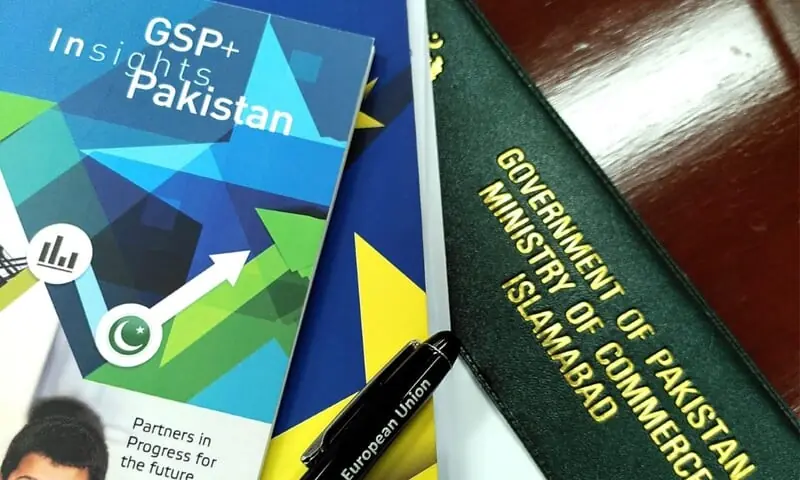
- The EU's GSP+ trade framework with Pakistan, worth approximately €732 million annually, serves as a primary structural lever for engaging Pakistan with European standards, despite recent concerns over governance deficits.
Europe's diminishing influence in critical regions like the Middle East and Persian Gulf has left it a "concerned but impotent bystander" in key diplomatic developments, particularly concerning Iran. This geopolitical vacuum has been strategically filled by Pakistan, which boasts robust relationships with both Washington and Tehran, as well as China, Saudi Arabia, and Gulf monarchies.
Once a primary architect of the Iran nuclear deal, the EU now finds itself marginalised as US-Iran backchannel negotiations and regional security calculations dictate the trajectory of the relations with Iran.
While Europe aligned with the US-Israeli stance on Iran, losing leverage in Tehran without gaining it in Washington, Pakistan facilitated a high-level US-Iran meeting. This resulted in a memorandum of understanding that remains the most realistic framework for ending a war that risks global destabilization, including direct impacts on EU security. EU foreign policy chief Kaja Kallas acknowledged Pakistan's crucial role in de-escalation, highlighting the EU-Pakistan relationship in a new light.
All of this helped enable Islamabad open a diplomatic corridor that Europe cannot replicate.
The EU's Generalized Scheme of Preferences Plus (GSP+) trade framework, granting Pakistan preferential access in exchange for adherence to international conventions, has become the EU's primary structural lever over Pakistani policymaking. The annual trade preferences, valued at roughly €732 million, are significant for Pakistan's export sectors. However, a recent European Commission report noted Pakistan's regression on enforced disappearances, civic space, and counter-terrorism law application, reflecting governance deficits that could affect future compliance.
For Brussels, this is not a matter of preference but of necessity: Pakistan provides one of the very few functional channels to a regime with which Europe has lost direct leverage.
DistantNews Editorial
Originally published by Dawn in English. Translated, summarized, and contextualized by our editorial team with added local perspective. Read our editorial standards.
More Stories
From Our Blog

What Gets Lost (and Found) When News Is Translated

The Critical Role of Diaspora Media in Global News

What Travellers Should Know About Countries with Restricted Press

A Digital Nomad's Guide to Following Local News

How the Same Story Looks Different in Different Countries
