

Europe’s Russia dilemma: Why EU is opening a channel with Moscow despite Ukraine war
Summarized and contextualized by DistantNews.
At a glance
News
Named sources
Context piece
- European Council President Charles Michel defended the EU's decision to open a diplomatic channel with Russia, despite the ongoing war in Ukraine.
- Michel stated that direct communication is necessary to support Ukraine diplomatically, even though peace negotiations are not currently feasible.
- The outreach has exposed divisions within the EU, with some member states expressing concern over the lack of coordination and the timing of the engagement.
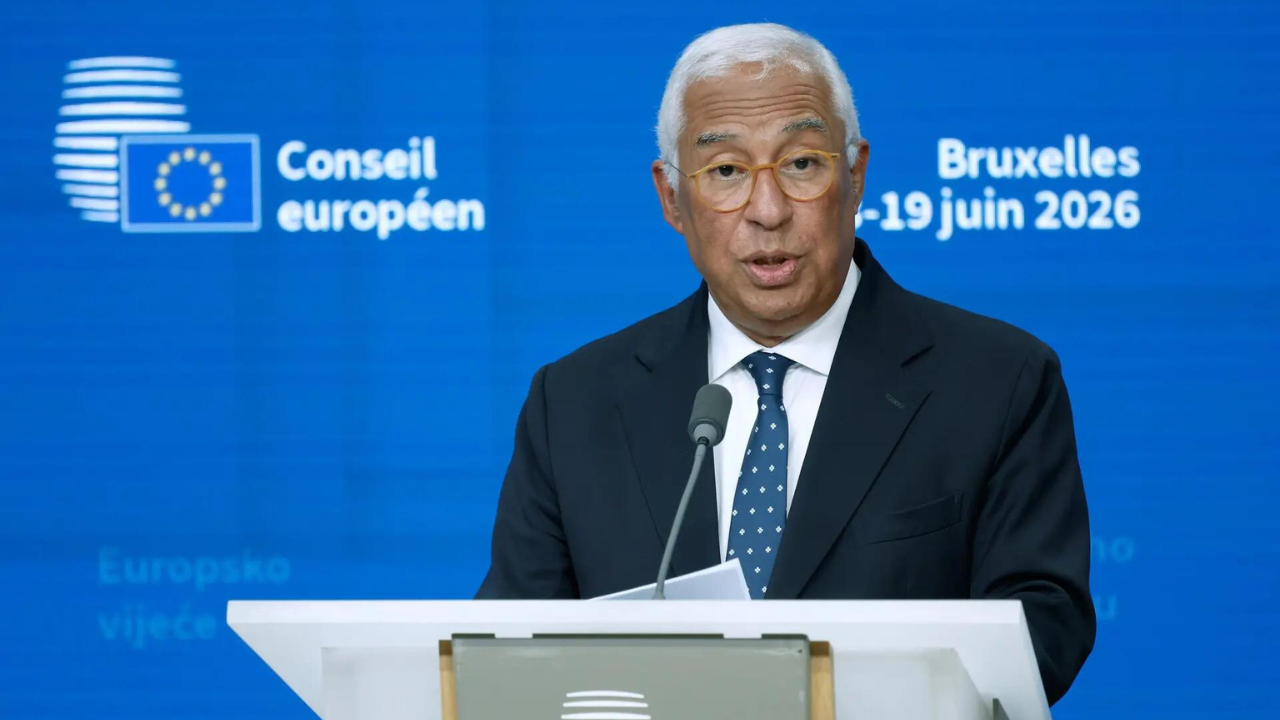
European Council President Charles Michel has defended the European Union's recent diplomatic outreach to the Kremlin, asserting the necessity of maintaining direct communication channels with Russia. Speaking after an EU leaders' summit in Brussels, Michel argued that such contact is crucial for supporting Ukraine through diplomatic means, even as he acknowledged that the time for peace negotiations has not yet arrived.
It is precisely because we need also to support Ukraine through diplomatic means that we need to have a direct diplomatic channel with Russia.
Michel stressed that there are currently no "credible signs" of Russia's readiness for genuine negotiations. However, he maintained that establishing direct contact is vital for understanding Russia's position and clearly conveying the bloc's own messages. This initiative follows revelations that Michel's office had engaged in "brief contacts at diplomatic level" with Moscow, aimed at opening these communication lines.
The time to negotiate has not arrived yet.
The move has, however, highlighted significant divisions among EU member states regarding engagement with Russia. During closed-door discussions at the summit, several leaders reportedly criticized the initiative, citing a lack of prior coordination with member states and arguing that the focus should remain on maintaining pressure on Moscow. German Chancellor Friedrich Merz and French President Emmanuel Macron were noted as being unenthusiastic, while Nordic and Baltic countries voiced the strongest concerns.
It’s up to Russia, to whom many offers have been made in recent months, to say when it will be ready to negotiate.
Macron emphasized that while Europe will eventually need a role in ending the war, Russia must first signal a willingness to negotiate seriously. He suggested that initial talks would be between Russia and Ukraine before involving the US and Europe. Latvian Prime Minister Andris Kulbergs expressed skepticism, stating that diplomatic channels are meaningless if Russia is not interested in diplomacy. Conversely, some member states, like Spain's Prime Minister Pedro Sanchez, supported the initiative, viewing it as a necessary diplomatic channel rather than formal peace negotiations.
Diplomatic channels with Russia don't matter if Russia doesn't want to do diplomacy.
DistantNews Editorial
Originally published by Times of India. Summarized and contextualized by our editorial team with added local perspective. Read our editorial standards.
More Stories

From Our Blog

What Press Freedom Means for the News You Read

What Gets Lost (and Found) When News Is Translated

The Critical Role of Diaspora Media in Global News

What Travellers Should Know About Countries with Restricted Press

A Digital Nomad's Guide to Following Local News
